
Home Insurance Waipahu, Hawaii

Home Insurance Terms To Understand

Home Insurance Waipahu, HawaiiIf you are a homeowner, you have purchased your home insurance through a local insurance agent or directly through an insurance carrier. Home insurance costs and coverage vary due to where you live, how much your home is worth, your credit score, and many other insurance factors.

Home insurance can be confusing so we recommend speaking with one of our agents and going through a home insurance review. Even if you have had a home insurance policy with us for years, it is still best practice to review it to ensure you still have adequate coverage. We can break down your insurance coverage details and make sure you have the best protection for your insurance needs.

Here are a few terms we can discuss with you:

Named perils: this part of your home insurance coverage protects your home from named perils that can include damage from wind, hail, fire, fallen objects, lightning, theft, vandalism, and more. Home insurance named perils vary so our agents can discuss what’s covered if you have questions.

Actual Cash Value (ACV): this is the cost to replace the damaged item minus depreciation.If you have damage to your home, the insurance carrier would determine how much it was valued before the damage occurred.For example, if your roof was damaged but it was 10 years old, your insurance carrier may factor in how much a 10-year-old roof is worth today. You would receive the valued dollar amount to put towards a new roof.

Replacement cost value insurance: this represents the cost to replace an item of similar quality without factoring depreciation. Replacement cost policies are more expensive than ACV because you are essentially getting a brand new item. After asking you questions, we can help determine if this coverage makes sense for you.

Deductible: if you have to file a claim, your deductible plays a role in how much you have to pay before your insurance carrier pays towards your claim. Deductibles can vary in price and typically the higher your deductible, the lower your home insurance premium. Our agents can help explain your deductible options.

Liability insurance: your home insurance coverage can provide you with liability coverage. For example, if your dog bit someone or if someone slipped and fell on your property, liability coverage could provide you with coverage. Talk to us about liability limits.

Additional insurance policies to consider:

Flood insurance: home insurance typically does not cover you if your home experiences water entering your home. This is typically a separate policy many individuals buy. If your home is susceptible of floods, talk to an agent.

Earthquake insurance: just like flood insurance, earthquake insurance is also a separate policy. If your home is damaged from an earthquake, you would most likely need an earthquake insurance policy to have coverage for any damage.

Other structure coverage: if you have a detached garage, barn, swimming pool, greenhouse, or other structure, be sure to tell your agent. This needs to be included in your policy and may require additional coverage.

Water sewer coverage: claims occur when heavy rain or floodwaters overrun your sewer system or your sump pump. Debris from rainstorms or natural disasters can also clog your system causing damage to your home when the water backs up into your house’s plumbing. Many home insurance policies do not cover this and water sewer coverage is needed to pay for the damage. Talk to us about this coverage.

Umbrella insurance: if you file a home or auto insurance claim and the damage exceeds your policy limits, an umbrella insurance policy can give you thousands of additional dollars in protection. There are limitations on what umbrella insurance covers so discuss this with an agent in our office.

Vacant home insurance: if you own a home that is vacant, you still want to protect it. Talk to us about your situation and we can explain your coverage options.

Ready to shop for home insurance? Give our agency a call or email us for a quote. We can help you find a great coverage.

Boat & Motorcycle Safety in Waipahu, Hawaii

Enjoy Your Boat & Motorcycle Safely This Summer

Boat & Motorcycle Safety in Waipahu, HawaiiThe summer season can be the best time of year to enjoy your boat or motorcycle. Whether you enjoy the long days, warm weather, or enjoy using your ride to relax, being a boat or motorcycle owner has its perks. Here are a few things to consider when it comes to safety this season.

Consider Taking a Safety Class

Whether you are a seasoned vet or brand new boat or motorcycle owner, taking a safety class can always improve your skillset and help you understand the risks associated with riding or driving. Even if you consider yourself to be experienced, taking a class can provide you with additional advanced techniques (for motorcycle riders). All boat owners should understand the rules while operating on the water and be familiar with their state’s boating laws.

Check your Equipment

If you are a motorcycle rider, take some time to review your gear. Shoes with good traction, protective textile or leather jackets, pants and gloves & owning a good helmet are all things that can protect you on the road. If you are a boat owner, look over your life jackets. Does each jacket fit correctly for each individual on the boat? Are they approved by the U.S. Coast Guard? Do you have a pre-departure checklist you can review before going out on your boat?

Always be a Defensive Driver

This goes for both boat and motorcycle owners. When you practice being aware of your surroundings at all times you are on the road or water, you are doing everything in your control be a safe driver or rider.

Have a Routine Checkup Before Leaving Your Home

Both boat and motorcycle owners should have a routine checklist before hitting the road or water. For motorcycle riders this could be inspecting your tire pressure, lights, and turn signals as well as your chain, belt, and brakes.

For boat owners, this could be checking the weather, ensuring you have a life jacket for every person who will be on the boat, locating your floatation aids, orange signal flags, whistle/horn/bell, first aid kit, fire extinguisher, proper documentation, making sure you have sunscreen, water and more.

Need to Review Your Insurance Policy?

Talk to our agency if it is time to review your boat or motorcycle insurance policy. We can discuss any updates you have made to your ride, requote you with other carriers if you are not happy with your current rate, and ensure you are fully covered in the event you have to file an insurance claim.

Swimming Pool & Home Insurance in Waipahu, Hawaii

Insurance Coverage for Your Swimming Pool & Safety Tips

Swimming Pool & Home Insurance in Waipahu, HawaiiIf you are looking to add a swimming pool to your property, you may be curious how it impacts your home insurance policy.

First of all, you will need to alert your agent of the swimming pool addition. If you do not alert your insurance carrier of your pool addition, you may not be covered for any claims. Your homeowners insurance can provide coverage for any damage that occurs to the pool such as a fallen object or fire. Our agents can help you determine what type of coverage you need for your pool. It can be considered personal property coverage or other structure coverage on your home insurance policy.

Swimming pools also increase your liability risk. If a guest had an injury at your pool, liability coverage can provide you with coverage for bodily injury, medical bills, or even legal fees. Talk to your agent about your current liability insurance coverage and if it is beneficial to increase your limits. We can review your personal umbrella policy with you.

It is important to note that many insurance carriers will require you to build a fence around your pool in order to provide coverage. We are here to help provide coverage details so you fully understand your policy.

Pool Safety Tips –

Swimming pools bring several exposures to injury. To limit your exposure, setting strict guidelines around the swimming pool for security can considerably lower the chances of injury occurring. Adhere to these safety tips when in and around a pool:

  • Supervision– kids should never be left unattended around a swimming pool. If your children or friends intend to make use of the pool always call for grown-up supervision. If your children’s pals are wanting to use the swimming pool and you’re unable to supervise, ask another parent to supervise.
  • Call for walking– Water and concrete are unsafe. Lower the opportunities of a slip and fall injury by making certain everyone around the swimming pool walks and does not run.
  • No Glass Around Pool Policy– Glass can fall into the pool or around the deck and create an unsafe situation.
  • Routinely Examine– check the items used around a pool like the diving board, slide or flotation equipment.
  • Fencing & Lock the Pool– Most insurance providers will certainly need fencing of at the very least 4 feet to exist around a swimming pool.
  • Mount an alarm– You can set up an alarm that spots when somebody enters the swimming pool.
  • Safeguard your pet dogs– Animals are attracted to water, specifically on a warm day. Keep your pool area secured from animals when you’re not using it to ensure they don’t fall in.

By following appropriate safety precautions you can have plenty of terrific memories and also your kids can have a lot of fun! Enjoy your swimming pools properly. If you have inquiries on swimming pool requirements for insurance purposes, we have answers. Our qualified representatives can help ensure your residential property is insurable and that you are effectively covered in case you have a claim.

Auto Insurance Terms Waipahu, Hawaii

Auto Insurance Terms – Part 2

Auto Insurance Terms Waipahu, HawaiiRecently, we discussed the importance of understanding four basic auto insurance coverages; liability including bodily injury and property damage, and comprehensive and collision coverage. Almost all states require liability coverage for auto insurance.

In Part 2, we will explain additional coverages you can add to your auto insurance policy. Not only will this give you more coverage in the event you have a claim, but it could only be a small increase in price to have potentially thousands of dollars in coverage in the event you have to file an insurance claim. Let’s discuss what could be considered full coverage auto insurance.

Full coverage auto insurance typically means you have liability coverage (bodily and property damage), collision coverage, comprehensive coverage plus additional coverages such as PIP and uninsured motorist coverage.

Uninsured/underinsured motorist coverage: This coverage can be broken out into four parts; uninsured motorist bodily injury, uninsured motorist property damage, underinsured motorist bodily injury, and underinsured motorist property damage. Uninsured/underinsured motorist coverage can pay for damage up to your policy limits in the event you get into an accident and the other driver has little to no auto insurance coverage.

This policy can provide you with coverage if you experience a hit-and-run too.

Personal injury protection (PIP) or medical payments is another form of coverage many individuals invest in when it comes to purchasing an auto insurance policy. PIP can help pay towards medical bills for you or your passengers after getting into a car accident. It can also pay towards medical supplies, care, lost wages, prescriptions, or other services you may need. Every insurance carrier and state is different so it is best to talk to your insurance agent about the details of this coverage for your policy.

More coverages to consider for your auto insurance policy:

Roadside assistance: If your vehicle breaks down, this coverage can provide you with several services such as towing services, flat tire changes, fuel delivery (not including the cost of the fuel), lock-out service, and more. Talk to your agent about the details of your policy as each insurance carrier may be slightly different in how they can offer roadside assistance.

Custom parts and equipment: does your vehicle have custom parts or equipment? This could be an upgraded stereo, custom wheels, navigation system, custom paint, and more. If your vehicle is damaged in an accident, this coverage can pay up to your policy limits to repair or replace it.

Windshield repairs: Are you prone to glass chips in your windshield?

Ask your agent if you have an option for a “no deductible” glass replacement. This can be an inexpensive coverage that can save you from having to pay your typical comprehensive insurance deductible.

If you are interested in purchasing full coverage car insurance, call our agency. We can shop with our top insurance carriers to help you find the best policy for your needs. Once we have determined your insurance carrier and policy, we can explain and then look at extra coverage options for your auto insurance.

Holiday Safety Tips Carr’s Insurance Agency in Waipahu, Hawaii

Safety Tips for This Holiday Season

Holiday Safety Tips Carr’s Insurance Agency in Waipahu, HawaiiWith the holidays just around the corner, it is a great time to review holiday safety items around the household. Especially if you plan on a lighting display.
When it comes to holiday décor, some families go all out. Regardless of your level of displays, it is important to keep some things in mind for safety.

If you’re like many families displaying lights on the outside of your house during the holidays brings a lot of joy and festiveness to your home.

Holiday Light Safety

  1. Keep your extension cords tucked away and off walkways.
  2. Extension cords create a trip hazard when running across walkways and other areas where deliveries or guests need to walk. When possible, keep them away from sidewalks and tucked away.
  3. Use exterior extension cords & lights.
  4. Extension cords, as well as lights, come in interior and exterior grades. Be sure if you’re running lights outside to use an extension cord rated for outdoor use.
  5. Check for frayed wires.

Over time the wires on your lights may become frayed. Before you hang them up, carefully inspect your wires for frayed ends. If you find any, don’t risk it. Repair them or replace them before you hang them up.

Ladder Safety

Each year thousands of people are injured hanging lights on their homes from ladders. OSHA publishes safety precautions that are not only good for businesses to follow but for individuals to follow as well. Some of these safety tips include:

  1. Select the right ladder for the weight of the job.
  2. Every ladder has a weight limit. Look at the side of your ladder to determine if it can support enough weight for the job.
  3. Never utilize the top 3 feet of the ladder. This can cause instability if you go above that point.
  4. Inspect the ladder before use for damage.
  5. Never go down a ladder backwards.
  6. Ensure your ladder is on flat ground and stable before climbing.
  7. Never lean to the side on a ladder, this can cause instability.
  8. Use common sense when using ladders to ensure safety. If something feels unsafe to you when you’re on the ladder, it probably is.

We hope that you and your families have a safe and happy holiday season this year.

If you have questions about your home insurance policy, contact our agency today.

Auto Insurance Claim Expectations Carr’s Insurance Agency in Waipahu, Hawaii

What To Expect When You File An Auto Insurance Claim

Auto Insurance Claim Expectations Carr’s Insurance Agency in Waipahu, HawaiiA Call for Facts of Loss

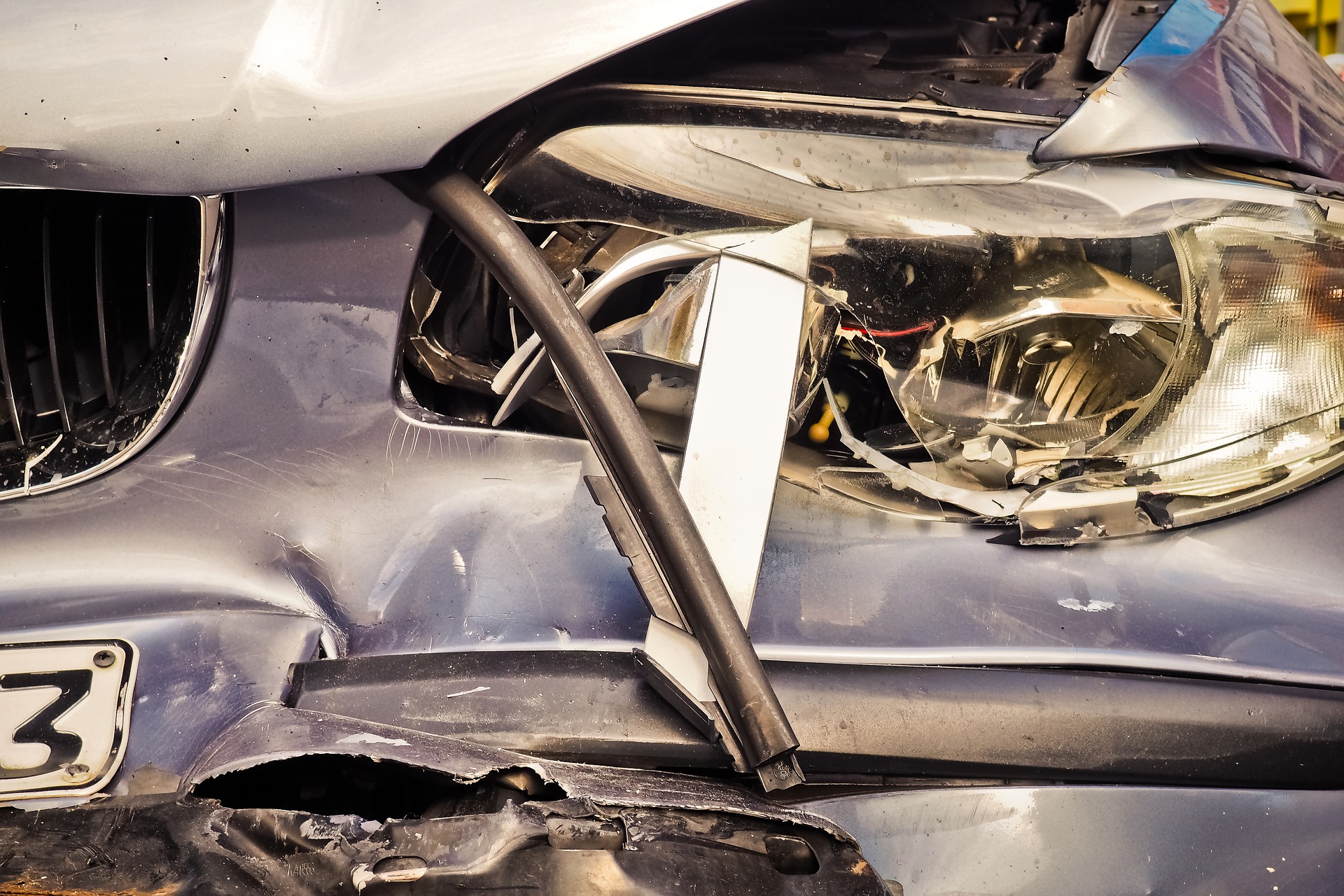
When you’re involved in a car accident the first thing that happens after you report your claim is you receive a call from the insurance adjuster. An insurance adjuster looks at your coverages, listens to your statement about what happened (Facts of Loss), and then determines fault. This adjuster will also guide you through the remaining process to get your vehicle back to pre-loss condition. If it is found that another party is at-fault, you may elect to go through them for your repairs. If you use your insurance, you may have to pay your deductible up-front which your insurance company will attempt to A close up of a damaged car headlight & to subrogate back for you.

Choices for Repairing Your Vehicle

When you need to get your vehicle repaired, the choice is up to you on who fixes your vehicle. Typically, the insurance carrier will work with a network of body shops in your area and can recommend one or two. Regardless of who you choose, the insurance adjuster or estimator will work with the body shop on your behalf to ensure your car is repaired.

Vehicle Parts

Oftentimes, insureds are surprised to hear that the insurance company authorized the usage of aftermarket (commonly referred to as Like-Kind-Quality or LKQ) parts on their vehicle. If your vehicle is new, it is unlikely this will occur, but if your car is more than a couple of years old, there will likely be many parts like bumper covers and fenders that are available for your vehicle that may be used when your vehicle is repaired. Most of the time, you will not have an option to choose, but if you see it on your estimate, you could likely opt to pay the difference yourself. Most insurance contracts say in the policy language they may use aftermarket parts.

Rental Coverage

When your vehicle is in the shop, you’ll likely be without it for at least a few days. If you need a rental car during this time, you’ll have to check your policy to see if you have one available. If you’re going through the at-fault party’s insurance company, they will provide you with a rental vehicle for basic transportation. If you have unique circumstances like an ADA vehicle or a truck or van that you have to use for work, be sure to let them know you have circumstances that require a similar temporary replacement.

Deductibles

If you are at fault for your accident, you’ll have to pay a collision deductible. The amount is unique to your insurance policy and typically is between $100 and $2500. If you’re not at fault and going through the at-fault party’s insurance company, there will be no deductible applied to your claim.

We hope you never have to experience an auto insurance claim but in the event you do, we’re here to help. If you’d like to discuss your auto insurance coverages prior to being in an accident, please schedule a time or call our office to review your existing coverage.

Buying Car Insurance for Your Teen in Waipahu, Hawaii

Buying Car Insurance for Your Teen

Buying Car Insurance for Your Teen in Waipahu, HawaiiIf your teen just got their driver’s license, then you understand the importance of making sure they have the right insurance. Keeping them as safe as possible includes making sure that they’re insured in the event of an accident, so let’s talk about what you need to know.


New drivers

Being a new driver is scary and being their parent can be even scarier. If you’re looking for tips and tools you can use to find the right car insurance for your teen, then you’ve come to the right place.

Those 20 and younger are the biggest group of distracted drivers and making sure that they’re insured should be a top priority. Not only is car insurance important for being on the road, but it could end up saving you thousands of dollars. Don’t wait to explore your insurance options.

Finding the right car insurance

When it comes to teen drivers, it can be difficult to find insurance. Many companies look at lack of experience and young age as reasons why teens aren’t the best people to insure. However, this doesn’t mean that it’s impossible to find the right car insurance policy. If you do the right research, you can end up with the right policy at the right price.

When it comes to saving money, it’s usually best for parents to add their children to the family policy. While creating a separate policy is an option, it’s usually a more expensive route. Car insurance can cost thousands of dollars each year, so it’s important that you keep realistic pricing standards in mind while you’re shopping around.

Purchasing car insurance

When it comes to car insurance for your teen, doing research is important. Learning about different policy options and what they include will give you a bigger picture of what’s on the market, as well as what will fit your budget.

If you’re curious about the options, make an appointment with our office. As a local independent insurance agency, we’ll be able to provide you with accurate quotes and provide unique advice for your situation. How much insurance costs can be heavily dependent on location, so we will walk you through all of your options. Speaking with one of our insurance agents is one of the best ways to find out more about policy options, so don’t be afraid to call us.

Teen specifics

While it can be difficult to find car insurance for teens, there are a few things that can make the process easier.

Some companies reward good grades and will offer a discount when a transcript is presented. If you think that your child may qualify, ask your insurance agency if they offer this incentive. Age is another thing that can impact price. Insuring those that are older is typically cheaper, so remember that while you’re looking at policy prices.

The right policy for your teen

From buying them a car to finding the right insurance, having a teen driver is expensive. If you’re looking for ways to reduce costs and get the best deal possible, give us a call. We can make an appointment to discuss your options and find the right policy for your new driver.

Best Practices When Using the Internet in Waipahu, Hawaii

It’s Cyber Awareness Month – Are You Following Good Practices?

October is Cyber Security Awareness Month. Since the pandemic, more individuals are using digital accounts for purchasing through the internet. This can leave you vulnerable & increase your risk for a cyber-attack.

The majority of cyber-attacks begin with phishing emails. Knowing how to spot a phishing email is critical for protecting yourself from a cyber-attack.

Phishing emails are designed to make you click on links. They will often come from companies you use regularly such as Amazon, Apple, Netflix, or other well-known companies. They will often use their logo to make it appear it is coming from the company itself.

What steps do you need to take to determine if it is a scam?

Hover over the domain or email address in your inbox. This quickly gives you the answer you are looking for. If the email address is long or doesn’t look correct, it is a phishing email. If you are unsure if this is a phishing email, contact the company directly.

Best Practices for Internet Use:

  • Never click on links in emails. If you are concerned, go directly to the company’s website and login if this is possible.
  • If an email is asking you to verify your login, payment information, or any other personal data, this should be a red flag. Do not provide the info. If you are concerned, reach out to the company directly.
  • Don’t download attachments from emails.
  • Always choose a strong password. This should be up to 15 characters long with a variety of letters, numbers, or symbols. You can even use a phrase.
  • Change your password regularly. While this can be annoying, it is best practice.
  • Don’t repeat your password for multiple accounts.
  • If you share a computer with others, use individual accounts for logging in. Always log out of your account when you leave the computer.
  • Have a firewall installed on your computer.
  • If you are asked to save your password on your computer, don’t save it. This can leave you vulnerable.
  • If you have the option for two-step authentication, always choose it.
  • Always update the software on your tablet & phone.
  • Be aware of public wifi. This can leave you vulnerable to a cyber-attack.

How Could You Determine If You Have Been Hacked?

Whether it is your email, social media account, or bank account, if you see something that looks off, change your password immediately. We also recommend running an anti-virus or malware software on your computer too.

Follow these tips to help lower your risk for a cyber-attack. If you have questions about your insurance, contact our agency.

Insurance For College Students - Waipahu, HI

Auto Insurance, Renters Insurance & Discounts for Your College Student

Insurance For College Students - Waipahu, HILeaving for college is an exciting time for your child. Whether your child is moving out of state, moving out of your home, or even living with you at home, college is a new chapter in his or her life. Being your agent, there are a few common questions we get asked about insurance.

Does My Child Need Renters Insurance at College?

It’s best we review your current home insurance policy as it may offer some coverage for your child’s belongings while away. Simply give us a quick call and we can do a review. If your child is living off-campus, you may want to consider purchasing a renters insurance policy in his or her name. This can be as little as $30/month. As a bonus, this can provide liability coverage too.

My Child Will Not Be Taking a Car to School, Can I Take Them Off My Auto Insurance Policy?

Talk to your agent about this first before canceling. If your child plans to drive a vehicle when he or she returns home or if your child ever drives a friend’s car at school, it is best to keep your child on your policy.

Car Insurance Discounts For Your Child

A few car insurance discounts exist with insurance carriers. It’s important to discuss discount options with one of our agents.

Good Grade Discount – if your child gets good grades, talk to your agent to see if he or she can qualify for a good grade discount.

Multi-policy Discount – if your child has both an auto and renters insurance policy, he or she can earn a discount for bundling the policies together.

Resident discount – if your child is attending college over 100 miles away, but isn’t taking his or her vehicle, your child may qualify for a resident discount. Since the car will be parked at your home and is insured in your name, some insurance carriers will give you a discount since the car will not be used as often.

My Child Is Taking A Car To College. What Should I Know About Auto Insurance?

Reach out to your agent to update the garage address to keep the auto insurance policy up-to-date.

Should My Child Purchase His or Her Own Auto Insurance Policy?

If your child has moved out of the house permanently, it might be time to purchase a separate policy. We can explain their coverage options and shop all of our insurance carriers.

September is National Preparedness Month - Waipahu, Hawaii

September is National Preparedness Month – Here is How It Relates to Your Insurance

September is National Preparedness Month - Waipahu, HawaiiFEMA, Ready.gov, and Listo.gov are big voices in reminding Americans that September is National Preparedness Month. Ready.gov is a great resource for teaching you how to prepare for a natural disaster.

What do they consider a disaster? Wildfires, flooding, thunderstorms & lightning, hurricanes, earthquakes, tornadoes, landslides, severe weather, droughts, and more. No matter where you live in the United States, you can be vulnerable to one or many natural disasters.

Ready.gov breaks down National Preparedness Month in four steps below.

Step 1 – Make a Plan

Step 2 – Build a Kit

Step 3 – Low-Cost, No Cost-Preparedness

Step 4 – Teach Youth about Preparedness

Every step is important in the event of a natural disaster and we encourage you to use this month to read through their information. You can read more here. Knowing information such as a shelter plan, evacuation route, communication plan or even having an emergency kit can be life-saving.

Proper Insurance & Natural Disasters

Having the right insurance coverage is essential if a natural disaster strikes. Many people assume that by purchasing home insurance, you are covered for anything and everything. This isn’t the case. By not having proper insurance coverage, countless people have been financially ruined.

First step with insurance, talk to your agent

Not only should you use this time with your agent to understand your current coverage, but talk about your risks. Should you purchase flood or earthquake insurance? If you were to experience an insurance claim, do you know how you will be compensated to repair or replace what has been damaged?

After talking with your agent, work on Step 2.

Step two includes creating your home inventory list, safely storing important documents, and knowing exactly what to do if you experience a claim.

  1. Do you currently have a home inventory list? This is a list of your most important belongings. A home inventory list can be as simple as taking photos of every room in your house. Some individuals have an itemized list on a spreadsheet too. In the event you have an insurance claim, you can quickly reference your items in the event they need to be repaired or replaced.
  2. If you have an insurance claim, be sure to take pictures and videos of your damage. You will work with a claims adjuster so be sure to be timely with your response and save all receipts from purchases you have made regarding your claim. Examples – hotel receipts, meal receipts, or other important items.
  3. Are your records safe? Records such as insurance documents, birth certificates, social security cards, marriage or divorce license, passport, pet ID tags, immunization records, medication lists, lease or rental agreement or mortgage or real estate deeds of trusts should all be safely stored in a water or fireproof box.

If you have questions about your current insurance coverage and would like to talk to a professional insurance agent, call us! We are experts in the insurance industry and can do a comprehensive review of your current coverage.