
If I have renters insurance, does my roomie need it too?

As an insurance agency, we answer tons of questions. We get questions about policy specifics, areas where one would find good schools and directions around the city. When we start to hear many folks asking the same question, we like to address it in a larger medium. One that frequently comes up is: “Does my roommate need renters insurance if I have it?” Short answer: depends.

Renter’s Insurance in Hawaii:

Long answer: There are a few things to consider when we talk about renters insurance:

  • Importance: Everyone knows that insurance is important, but there are some misconceptions in regards to renters insurance. Perhaps that is why only a third of renters in the U.S. have a renter’s insurance policy.
  • Property: One misconception is that your landlord’s insurance will cover your property. In reality, your landlord’s policy will only cover damage to the structure and other items (like appliances) that belong to them. It will not cover your personal property.
  • Tenants: If you are not related to your roommate (marriage, sibling, parent,) chances are your renter’s insurance policy will not cover their items, although each insurance provider is different. You should check with your agent to see if a non-related roommate can be added or covered under your renter’s insurance policy.
  • Coverage: Renter’s insurance covers more than just personal property. It also provides a certain amount of liability damage should someone be injured in your home due to negligence. This is similar to homeowner’s insurance coverage.
  • Floods: It is crucial to understand that your renter’s insurance policy does not cover flood damage to your personal property. You must have a separate flood insurance policy for your personal effects. Check with your insurance agent or floodsmart.gov/floodsmart/ to see if you are in a high-risk flood area.

Renter’s insurance is a very inexpensive way to make sure that your personal effects are covered in the event that damage occurs in your rental unit. More and more landlord and property management companies are requiring renter’s insurance for their tenants, so talk to your agent at Carr’s Insurance Agency in Honolulu, HI today. You may even be able to bundle your renter’s insurance with another plan, like auto insurance, for a discount. Their years of insurance experience can save you a bundle, and they live right in your area, so know first-hand what your insurance needs might be.  You can also visit their insurance website 24/7 to learn more about the insurance products they offer.
Flood Insurance Hawaii

Protection for a Rainy Day: Flood Insurance in Hawaii

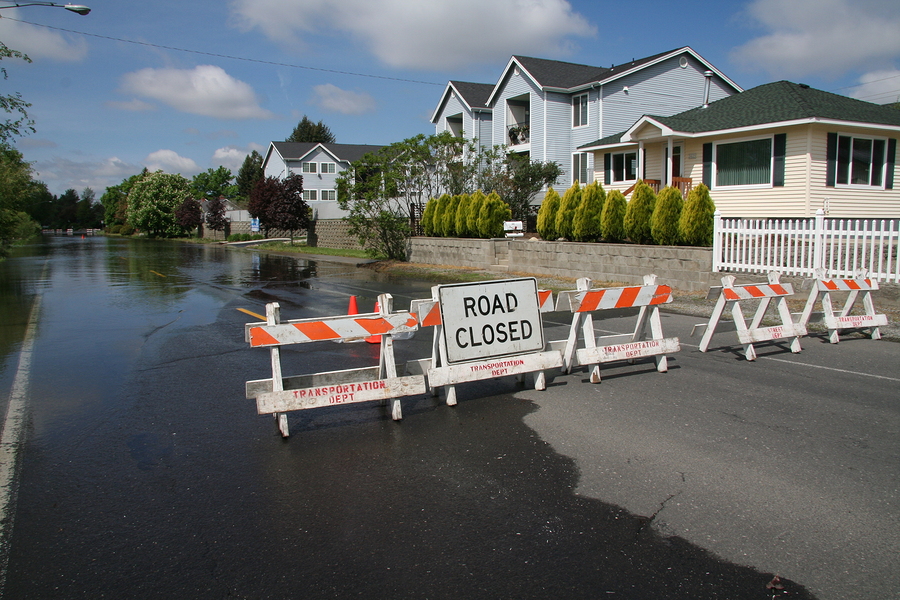
Typically when we think of things like wildfires or snowstorms, we confine them to seasons. Not all natural disasters are season specific and events like massive rainstorms can occur with the right conditions any time of year. Keeping a flood insurance policy, even if you are not in a high-risk area may be a good idea.

The definition of a flood can be tricky as most people associate a flood with a large body of water overflowing wreaking havoc throughout an area, but floods come in many different shapes and sizes. In terms of flood insurance, any water that comes into your home from an outside source (not a burst pipe, sewer back-up, etc.) may be considered a flood. There are easy ways to find out if you are in a high-risk area for floods and what is covered under a flood insurance policy in Hawaii.

The ins-and-outs of flood insurance in Hawaii:

  • What is a flood: As previously stated, in terms of insurance, a flood is typically water from an outside source coming into your home or business that is not a result of a burst pipe, sewer back-up or other excluded events.  Localized flooding in your home can occur when outside drains become clogged with leaves or debris, when a water main breaks or a storm surge comes ashore from a tropical storm or hurricane. High-risk areas include those living at or below sea-level, those living within the flood plain of a river or those who live in areas that get monsoon-like storm conditions. These areas may be high-risk, but flooding can occur in any neighborhood.
  • Flood Insurance: Purchasing flood insurance can be done through your local independent insurance agency, but it is all federally insured by FEMA. Based on historical trends and flood maps, high-risk areas are determined as those that “have a 1 in 4 chance of flooding during a 30-year mortgage,” according to Floodsmart.gov. A flood insurance premium is based on several factors, like flood risk area, age of the home, number of floors and the amount of coverage you decide upon. The typical policy in a lower-risk can be as low as $129 per year and will go up from there depending on the risk. It should be noted that after purchasing a flood insurance policy, there is a 30-day waiting period, so if you are considering purchasing flood insurance, the sooner the process is started the better.
  • What is covered: Flood damage to a home is costly. Depending on the area of the home taking on water, the costs can be hundreds of thousands of dollars. Carpets may need to be replaced or cleaned, dry wall replaced, appliances, furniture and the list goes on. If the flood is severe enough the home may need to be assessed for structural or electrical damage.

If you think you may need flood insurance, talk to your licensed insurance agent in Hawaii. Carr’s Insurance Agency in Hawaii can guide you through purchasing a flood insurance policy and offers additional lines of insurance like home insurance and earthquake insurance. Their years of insurance experience can save you a bundle, and they live right in your area, so know first-hand what your insurance needs might be.  You can also visit their insurance website 24/7 to learn more about the other insurance products they offer.