Should I Have an Umbrella Insurance Policy?
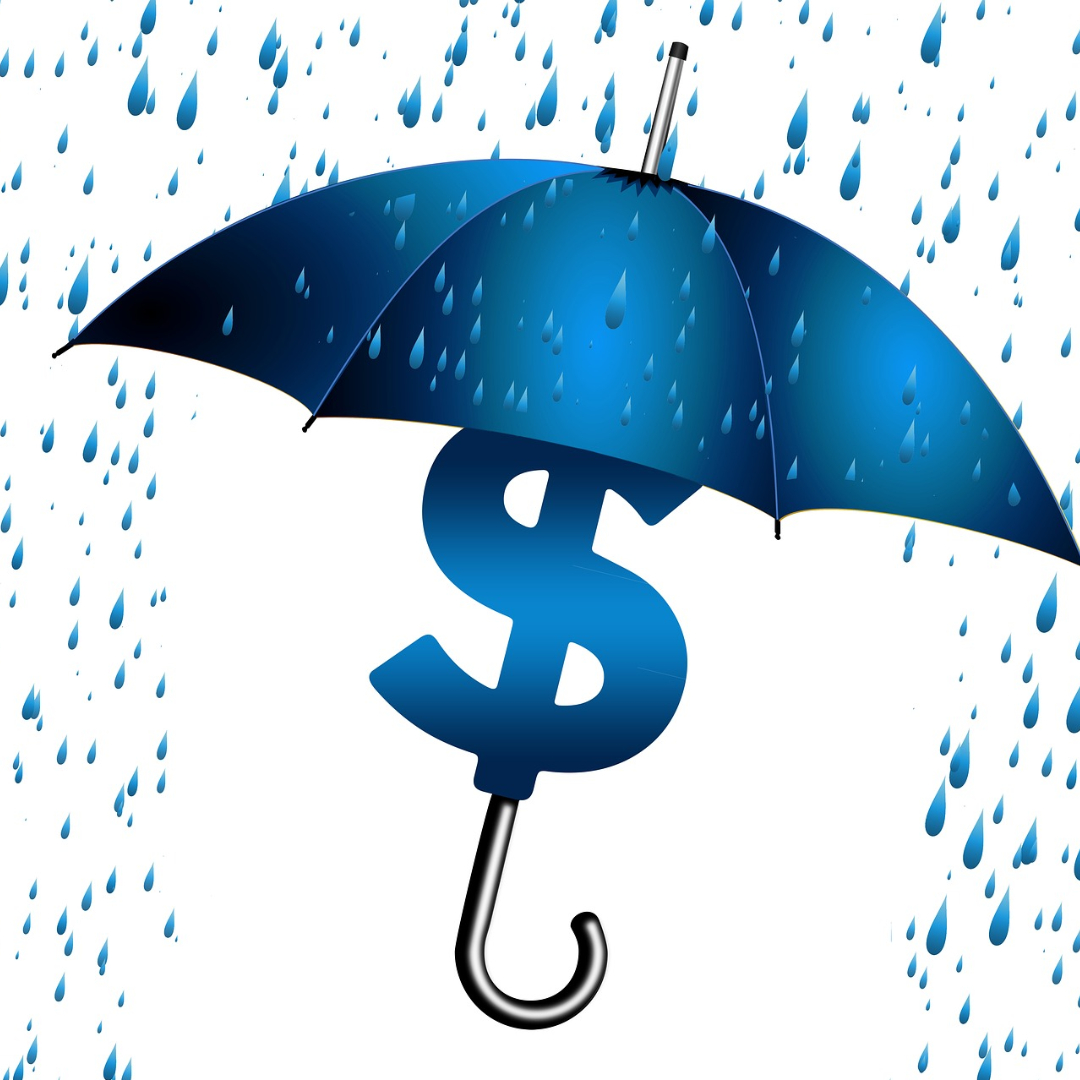
 Anyone who wishes to protect themselves from major claims or lawsuits, or would like to protect their assets or earnings would benefit from an umbrella insurance policy. Insuring your future is what an umbrella insurance policy can help with by safeguarding your future earnings, your home or cash savings.
When Would I Use My Umbrella Insurance Policy?
A personal umbrella insurance policy covers you when your auto, home or other personal lines insurance policy is exhausted by a covered insurance claim.
Example: You get into a car accident where you are at fault. Your insurance policy covers you for $250,000 in 3rd party damages. However, the other individuals in the car accident needed medical attention & their car was totaled. The total damages for the other party cost $350,000.
You are responsible for the remaining $100,000. If you have an umbrella insurance policy, it would then kick in to cover this excess liability. If you don’t have an umbrella policy, would you be able to foot the bill? If you cannot pay for the remaining balance, a court may issue your future wages to be garnished.
Similarly, homeowners need to protect themselves from a liability claim. Whether you’re hosting a party and serve too much alcohol, have a slip and fall accident on your sidewalk or your dog bites a neighbor, you can be held liable for medical bills, rehabilitation programs and lost wages.
How are you covered?
By purchasing an umbrella policy, you can be covered for the following items:
- Bodily injury: Medical bills and settlement for injuries sustained to the third party.
- Property damage: Damages sustained to the property of a third-party.
- Other damage: Libel & slander, other claims expenses.
- Legal fees: Hiring an attorney can be expensive. An umbrella insurance policy helps cover the cost.
There are countless situations that can occur and exhaust your current liability limits on your home or auto insurance policy. Good news: umbrella insurance policies are relatively inexpensive, typically starting around $155 per year. Contact an agent at our office for your personalized umbrella insurance quote today. We can help you determine how much coverage you need.

 There are many factors that go into hosting a great holiday party. Whether it’s prepping your family’s homemade, traditional recipes, cleaning your home for guests or decorating for the perfect holiday festivity, hosting a party is a lot of work! At the same time, it can be fun & your guests may look forward to your party for weeks. While we wish parties could be all fun and games, there are some risks you should be aware of.
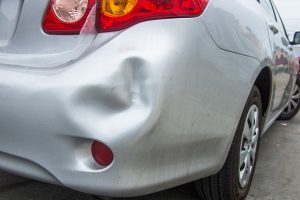 According to a recent study by the National Association of Insurance Commissioners, approximately one out of every 8 drivers in the United States are uninsured. That’s a staggering figure when you think about your chances of being struck by one. So, what can you do to protect yourself from an uninsured driver?
 With winter season approaching, now is the time to do a few simple tasks around your home. Not only can this prevent damage from occurring, but it can help keep your home exterior clean. Instead of giving you a long laundry list of things to check off, we go over the five most important.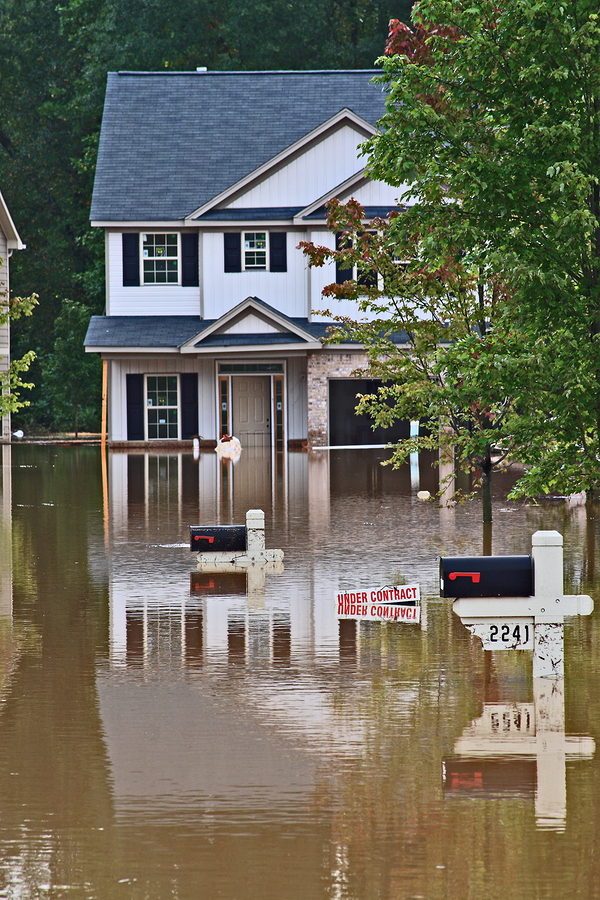
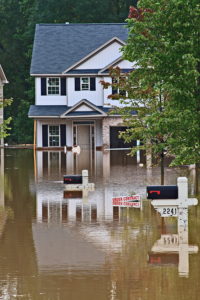 Are you prepared for a disaster? Recent articles online, in the newspaper and commercials on televisions remind us that disasters are just a moment away. It is easy to think that’s a good reminder, yet fail to act on our preparedness. The fact is: disasters happen. It’s best to learn the skills & be prepared.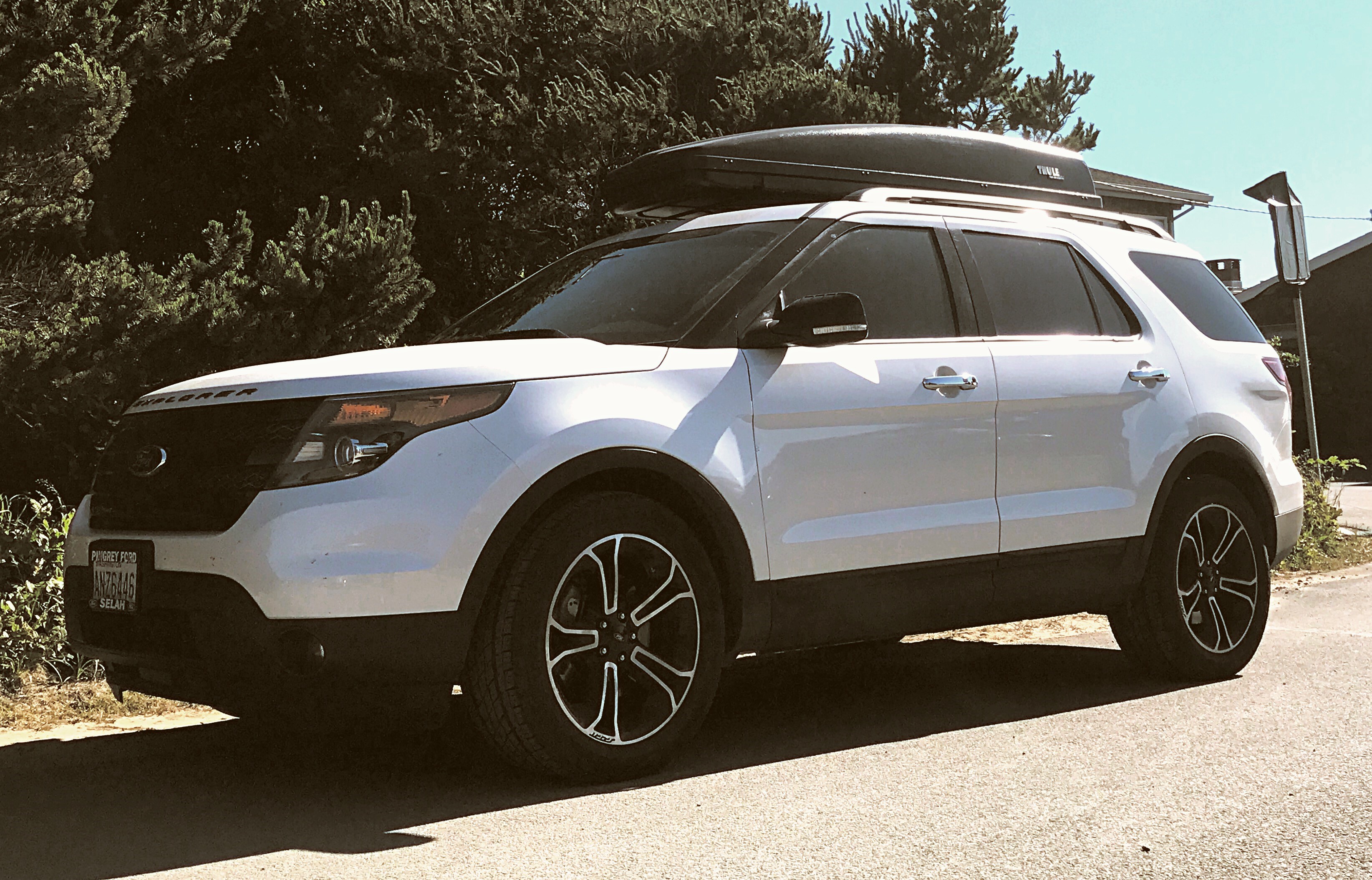
 If you’re searching for a new auto insurance policy and the company or agent tells you you’re “high risk” what exactly does that mean and what can you do to improve that?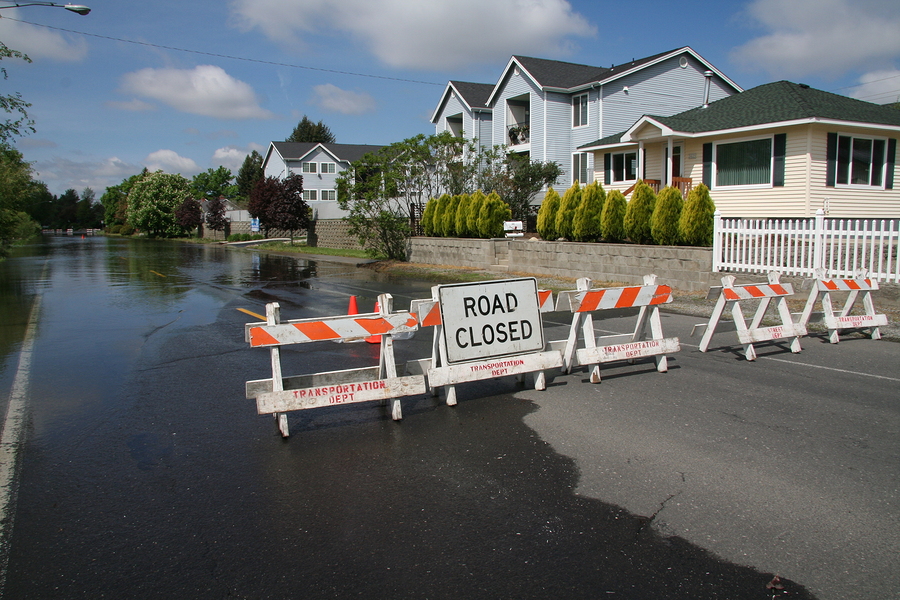
 As cooler weather approaches at night or you park your car outside during the winter months, chances are that sooner or later a rodent will find its way inside of your warm vehicle. Rodents like rats, mice and even squirrels can make their way up inside of your engine compartment to stay warm. After all, it is toasty and warm inside there and you left the vehicle in the driveway overnight.
 When you are on vacation renting a car, you will most likely be asked if you want to purchase insurance for the car. Sometimes purchasing that insurance policy is needed, but other times you may already be covered with your own auto insurance policy. Some individuals even have insurance benefits through their credit cards.
 Summer time is a great time to go on a road trip! Whether you are exploring a National Park, traveling through a state or going across the country, being on the road is memorable. Road trips are fun, but you want to be sure you are prepared for any unfortunate bumps in the road that can occur. It can be as simple as storing a few essentials in your trunk to get you out of jam.