Renting a Uhaul or similar rental moving truck this weekend? Make sure you read this first!

A common question we receive is whether or not our insurance would cover us for a rental motorhome or moving truck in Honolulu, HI. And the answer really depends solely on the size of the vehicle (in addition to what coverage you currently carry, of course).

When talking about your collision and comprehensive coverage, your standard auto policy will cover the usage of a temporary replacement vehicle usually up to 12,000 GVW. If a vehicle is over this GVW, it would be excluded from coverage. Additionally, if the cab is separated from the bed, this will also create an exclusion from coverage for most auto insurance policies.

Truck rental companies typically offer four types of coverage.

Damage Waiver: covers you in case of damage to the truck. If you do not purchase this coverage, you are responsible for any and all damage to the vehicle, no matter what the cause. If you decide to decline this coverage, you may be responsible to pay the damages to the truck even if they are not your fault. Something to keep in mind is depending on the extent of the repairs, you may be held responsible for loss of use on the vehicle.

Liability Coverage:  covers you in case you hit something or someone. Your auto policy may cover this, but please call us in advance before you rent a vehicle to make sure. Each company is different.

Cargo Coverage: Your auto policy will NOT cover any cargo that you are carrying. Period. If you are moving valuables, you may consider this coverage, depending on the values. If you’re moving a mattress or other item that will likely not be damaged, it would probably be wise to save your money, but only you can decide.

Personal Injury Protection: This is a no-fault insurance and can be used anytime you’re involved in a motor vehicle collision, regardless of the motor vehicle you’re traveling in.

With anything, please feel free to call us with questions at (808) 836-CARR (2277). This article is meant to be informative, but not a means of advice. If you have questions about a rental vehicle, please contact our office and speak directly to a licensed agent at our insurance agency in Honolulu, Hawaii or you can visit our website 24/7.

Flood Insurance Hawaii

Protection for a Rainy Day: Flood Insurance in Hawaii

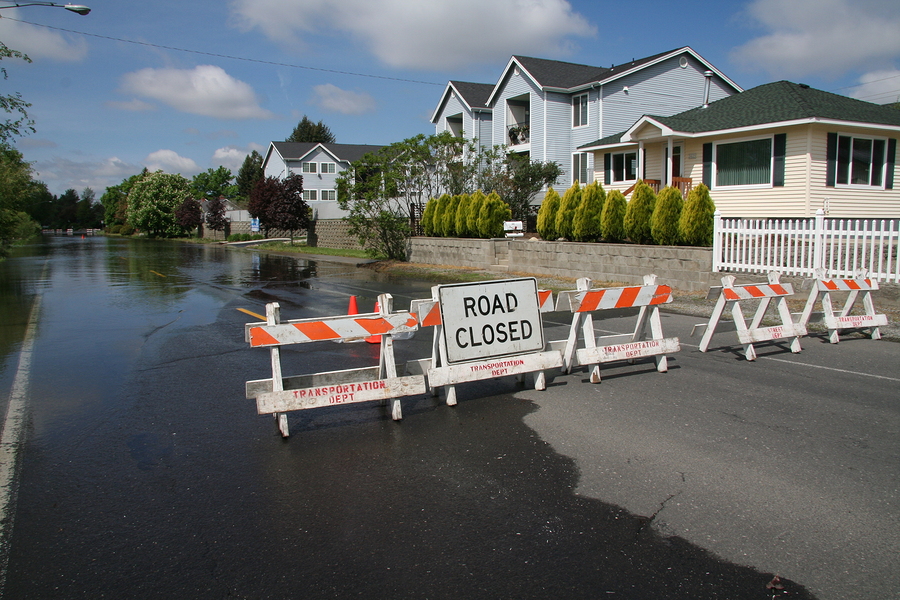
Typically when we think of things like wildfires or snowstorms, we confine them to seasons. Not all natural disasters are season specific and events like massive rainstorms can occur with the right conditions any time of year. Keeping a flood insurance policy, even if you are not in a high-risk area may be a good idea.

The definition of a flood can be tricky as most people associate a flood with a large body of water overflowing wreaking havoc throughout an area, but floods come in many different shapes and sizes. In terms of flood insurance, any water that comes into your home from an outside source (not a burst pipe, sewer back-up, etc.) may be considered a flood. There are easy ways to find out if you are in a high-risk area for floods and what is covered under a flood insurance policy in Hawaii.

The ins-and-outs of flood insurance in Hawaii:

  • What is a flood: As previously stated, in terms of insurance, a flood is typically water from an outside source coming into your home or business that is not a result of a burst pipe, sewer back-up or other excluded events.  Localized flooding in your home can occur when outside drains become clogged with leaves or debris, when a water main breaks or a storm surge comes ashore from a tropical storm or hurricane. High-risk areas include those living at or below sea-level, those living within the flood plain of a river or those who live in areas that get monsoon-like storm conditions. These areas may be high-risk, but flooding can occur in any neighborhood.
  • Flood Insurance: Purchasing flood insurance can be done through your local independent insurance agency, but it is all federally insured by FEMA. Based on historical trends and flood maps, high-risk areas are determined as those that “have a 1 in 4 chance of flooding during a 30-year mortgage,” according to Floodsmart.gov. A flood insurance premium is based on several factors, like flood risk area, age of the home, number of floors and the amount of coverage you decide upon. The typical policy in a lower-risk can be as low as $129 per year and will go up from there depending on the risk. It should be noted that after purchasing a flood insurance policy, there is a 30-day waiting period, so if you are considering purchasing flood insurance, the sooner the process is started the better.
  • What is covered: Flood damage to a home is costly. Depending on the area of the home taking on water, the costs can be hundreds of thousands of dollars. Carpets may need to be replaced or cleaned, dry wall replaced, appliances, furniture and the list goes on. If the flood is severe enough the home may need to be assessed for structural or electrical damage.

If you think you may need flood insurance, talk to your licensed insurance agent in Hawaii. Carr’s Insurance Agency in Hawaii can guide you through purchasing a flood insurance policy and offers additional lines of insurance like home insurance and earthquake insurance. Their years of insurance experience can save you a bundle, and they live right in your area, so know first-hand what your insurance needs might be.  You can also visit their insurance website 24/7 to learn more about the other insurance products they offer.


Auto Insurance Hawaii

Fact or Fiction: Five Auto Insurance Myths in Hawaii

Let’s face it; auto insurance can be confusing, especially when it comes to insuring new vehicles. When trying to look up information surrounding auto insurance in Hawaii the internet can be full of myths and misinformation. If you are trying to disseminate fact from fiction the experts at Carr’s Insurance Agency can help. We have compiled some common insurance myths and facts; we like to think of it as our own insurance version of Mythbusters.

Five auto insurance myths in Hawaii:

  • Color: Have you always wanted a red car, but never did because you thought it might drive up your auto insurance premium? Not true. Insurance premiums factor in the make/model, age and power of the vehicle. Premiums are also based on the person being insured. The cost of the vehicle can also influence the price of the premium, as more expensive the car usually the more expensive it is to repair if it is damaged in an accident.
  • Mature Drivers: Heard that once you enter your ‘golden years’ your auto insurance premiums will increase? Not necessarily. Your local, independent insurance agent can assist you with senior discounts or get you resources for defensive driving courses which can also lead to a discount.
  • Optional Coverages: Basic auto insurance in Hawaii will cover theft or weather-related damage. Claims such as these are only covered under comprehensive coverage. Most car loans require that you carry both comprehensive and collision as these protect the vehicle fully. If your car is getting older and worth less than $1000, you may want to opt-out of these coverages, but you will want to talk this over with your agent before dropping these coverages completely.
  • Loaning your vehicle: Does your best friend need to borrow your car for the day or leaving your mom the car to pick up the kids from school? If they get in an accident, their insurance will cover it, right? Wrong. Typically insurance follows the vehicle, not the driver. However, that is not always the case. Rules and regulations for this specific instance vary by state, so you will need to clarify with your insurance agent before you loan out your vehicle. Additionally someone who has regular access to your vehicle, like a roommate or spouse, should be added to your auto insurance policy to prevent a messy claims process should they be involved in an accident while driving your vehicle.
  • Personal v. Business: Your vehicle is covered under your personal auto insurance policy in Hawaii whether you are using it for pleasure or business. Not entirely accurate. If you are using your vehicle often for business, purposes, a business auto policy may help protect your vehicle more thoroughly. If you are not self-employed but use your personal vehicle for work, make sure you covered by your employer’s commercial auto policy.

While these are the most common myths associated with auto insurance, others are out there.  Your licensed insurance agent in Hawaii can assist you with any questions or concerns you may have about your auto insurance policy. The local, independent agents at Carr’s Insurance Agency can assist you with adding or amending an existing policy or setting you up with a new policy. Their years of insurance experience can save you a bundle. You can also visit their insurance website 24/7 to learn more about auto insurance or the other insurance products they offer like classic car or home insurance.

Use Caution and Common Sense When Hiring off of Craigslist or other Free Classified Ads in Honolulu, HI

It is so tempting… a contractor who will perform a landscaping job for ½ of what other quotes were and to think… you found him on Craigslist! Certainly Craigslist and other free classified websites have become a terrific resource for used goods as well as handyman services. However, there are stories of liability claim scams across the country that have homeowner’s getting burned. To put it simply, you’re taking a chance when you hire a non-reputable contractor to do work on your home, regardless of where you found him. So, we’ve put together a few items to help you avoid the headache of an “injured” contractor on your property which results in a liability claim against your homeowner’s policy.

  1. Research and ask question. If you find a contractor or other service related worker on Craigslist or other sites, ask them if they have a website or if there is someone who wouldn’t mind talking to them about their skill. It’s okay to ask for references. Most small businesses survive off of word-of-mouth advertising, so don’t be afraid to ask for a couple.
  2. Utilize the internet further. Go to Google and type in: “Contractor License Lookup.” This should produce your states .gov resource and you can see if the contract you’re hiring is licensed or not. It will also show if their license is expired and when it expired.
  3. Documentation: Ask the contractor for a copy of their license as well as documentation of their insurance and bond. Note: Check the dates on the license as well as the insurance to ensure they’re currently in force or active.
  4. Ask more questions: Not only is it important to protect your insurance from a scam, but ensure your pocketbook doesn’t get taken for a ride too. Ask questions like, “Is this an estimate or a final bid?” “Does this estimate include parts and labor?” The more questions you ask, the better you will feel and the more the contractor will understand that you’re educated on this process.

It isn’t just the answers to the questions above that will help you decide on a potential contractor, but how they answer them. If they aren’t forthcoming about certain items or aren’t willing to give you references, it is likely not a good idea to hire them. If they can’t communicate with you now about things, how difficult would it be if you have issues with them after the work has started? Be clear from the beginning on your expectations and always remember to talk to us, your local Honolulu, Hawaii Insurance Agent about anything you’re doing on your home to ensure you’re covered properly before making remodels. Call Carr’s Insurance Agency at (808) 836-CARR (2277) to talk to a licensed agent.

Personal Umbrella Insurance in Honolulu, HI

Personal Umbrella Insurance in Honolulu, HI – Party Protection

Summer is a great time to throw parties. BBQs, birthdays, Fourth of July celebrations or just for no reason at all, the summer is when it happens. From the cleaning, the shopping and the food preparation, a lot of thought gets put into the needs and comfort of your guests. While there are many things that may cross your mind in regards to your party, it may not occur that if the party does not go according to plan and someone is injured or gets sick that the hosts of the party could be held liable.

In the event that someone gets injured at a gathering you throw at your home, your homeowner’s insurance policy in Honolulu, Hawaii may cover the injured party’s medical bills or damages to a certain dollar amount. Having an extra bit of protection like a personal umbrella insurance policy in Honolulu, HI may help in these situations, as it can also help with a legal defense if you are sued for an injury or death that occurs on your property or when your guest leaves (too much alcohol).

Personal Umbrella insurance in Hawaii:


  • Unforeseen events: Most parties go off without a hitch, no problems, and no injuries. Every so often something goes awry. It can be as simple as a sprained ankle from slipping off the porch steps to food poisoning from improperly refrigerated potato salad to a DUI or alcohol poisoning. If the party where the injury took place occurred at your home and you are deemed negligent, you may be responsible for paying damages to those injured parties and a personal umbrella insurance policy in Honolulu, HI may help you minimize the out-of-pocket costs to you.
  • Intoxication: Depending on the laws in your city/state, a person who consumed alcohol at your party and injures someone else as a result of a DUI crash could hold you liable to pay the victim damages. There are a few ways to mitigate your liability: hiring a third-party to tend bar, like a catering company. These companies are responsible for having their own insurance and it is a lot easier for them to stop serving alcohol to an intoxicated person; they know all the signs to look for. If you are not able to hire an outside party to handle the liquor at your party, stick with only a few options for adult beverages like wine and beer. Having multiple types of liquor may increase the risk of someone having too much to drink.
  • A little prep: Before you have your party, take the time to make sure that your yard (or party area) is free of uneven patches of ground, mounds and holes. Make sure that entryways are clear of tripping hazards and that low hanging lights are high enough that tall heads won’t get tangled up. Taking a few extra steps may help ensure that your party is safe and fun.

If you plan on taking advantage of the summer weather by throwing a party, make sure you have all the protection you need. If you have any questions about what a personal umbrella insurance policy may cover or what your homeowner’s insurance policy covers in terms of fire, property damage or personal injury liability, your licensed insurance agent in Honolulu, HI can assist you.  The local, independent agents at Carr’s Insurance Agency can assist you with examining an existing policy or setting you up with a new policy. Their years of insurance experience can save you a bundle. You can also visit their insurance website 24/7 to learn more about personal umbrella or the other insurance products they offer like auto insurance.

Boat Insurance in Honolulu, HI

Will your boat insurance in Honolulu, HI keep you afloat?

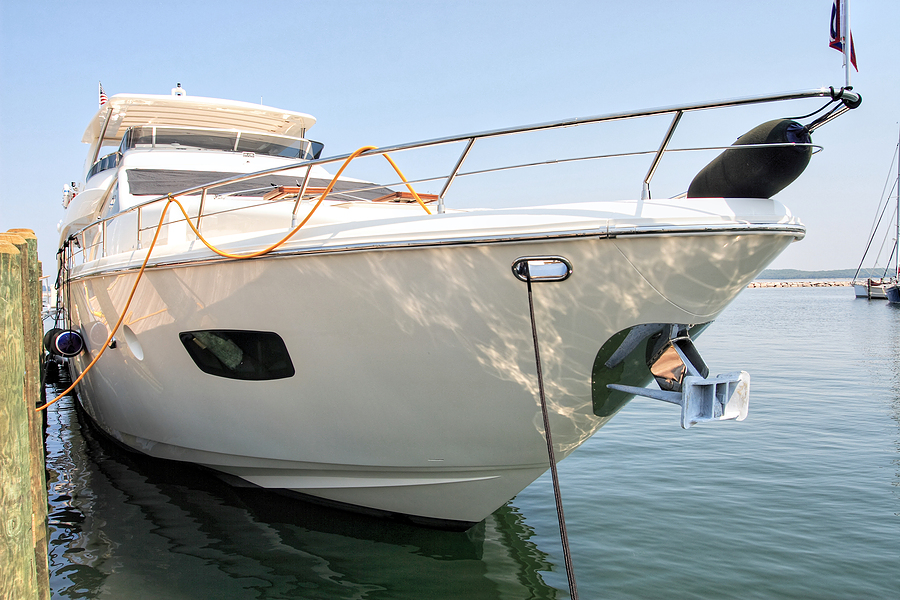
The sun is shining, the water is warm and boating season is upon us. By now you’ve probably prepped the boat, made sure your boating license is valid and planned outings with family and friends, but have you looked at your boat insurance? There are many coverage options available in Hawaii and using a local, independent agent guarantees that you will have many coverage options, so you can pick a policy that suits your needs before heading out to the water.

The 411 on boat insurance in Hawaii:

  • Bundling: It may not be possible to bundle your boat insurance with an existing policy, like homeowner’s insurance, as there may be restrictions on the type of boat you own. In order to fit under a homeowner’s insurance policy, boats may need to be under a certain length and under a certain price point.  There is a down side to having your boat covered under a homeowner’s insurance policy: specialized coverages may be limited or not available.
  • Specialized Coverages: These types of coverages can include On-Water Towing, helpful when your boat runs out of gas or has a mechanical issue mid-outing. Fuel Spill and Wreckage Removal may help keep you covered in the event your boat leaks fuel or if there is an accident; otherwise you may be on the hook for clean-up expenses. You may also want to consider Uninsured Boater coverage. Just like Uninsured Motorist coverage for your car or truck, this may help with expenses if your boat is hit or damaged by another boater without proper boat insurance coverage. Specialized Coverages may also include Personal Effects coverage.
  • Travel: Planning to sail your boat through international waters?  Some insurance plans may cover waterways in the continental U.S., but may not cover international waters or may only cover a boat in international water within a certain mile radius from the U.S. coast. Check with your agent to see if your plan coverages international travel.
  • Replacement: We hope that you never have to replace your boat due to an accident. In order to avoid costly out-of-pocket expenses to replace your boat, make sure that you have the appropriate replacement coverage in place long before you hit the water. There are two options for replacement coverage: Total Loss Replacement and Agreed Value coverage. Total Loss Replacement is just that, a replacement of your boat. However this type of coverage may not be offered by all insurance carriers, more likely than not the carrier will provide Agreed Value coverage. This is the value of your boat, agreed upon by you and your agent before you sign the policy.

There are many options out there when looking for boat insurance in Honolulu, Hawaii and your local independent agents at Carr’s Insurance Agency can help you navigate your options to find the best coverage for your needs. They can also assist with a personal watercraft policy for your other water-traveling toys. Whatever your insurance needs, talk to the experts at Carr’s Insurance Agency. Their years of insurance experience can save you a bundle!  You can also visit their insurance website 24/7 to learn more about the other valuable insurance products they offer.

Disaster preparedness kit in Honolulu, HI

Basic home disaster preparedness kit in Honolulu, HI

Disaster preparedness kit in Honolulu, HINo one wants to think that they may be stuck in their home during a natural disaster, but the reality is natural disasters happen in every state in our country. During a natural disaster, keeping your family safe and comfortable is a top priority and having a disaster preparedness kit in Honolulu, HI may help you.

A disaster preparedness kit for your home in Hawaii should include these basics:

Food and Water:

  • Two week supply of bottled water
  • Two week supply of non-perishable food like crackers, protein bars, dried fruit, etc.
  • Infant food and formula
  • Pet food
  • Utensils and plates for each person

Shelter and Comfort:

  • Plastic sheeting
  • Duct tape
  • Sleeping bags for each person
  • Emergency blankets
  • Battery operated or hand crank radio
  • Emergency locator beacon
  • Multipurpose tool, such as a Leatherman
  • Flashlight (and extra batteries)
  • Hand warmers
  • Battery-operated cell phone charger
  • List of emergency numbers (including emergency contacts, insurance agent)
  • Copies of important documents such as insurance cards, IDs, home inventory lists, etc.
  • Books, toys or other entertainment items for children
  • Extra clothing/shoes for inclement weather

Safety and Hygiene:

  • A first aid kit (make sure this kit has antiseptic, bandages, small scissors, aspirin or ibuprofen, hot and cold compresses)
  • “Help” or “Assistance Needed” sign
  • Feminine hygiene products
  • Diapers
  • Hand sanitizer
  • Personal sanitizing wipes
  • Surgical masks and gloves
  • Air horn or whistle
  • Necessary medications

Of course you can add additional items to your disaster preparedness kit in Honolulu, HI depending on the needs of your family. Store your disaster kit in an easily accessible area, make sure you check your kit often and update it as things expire. For more information about a disaster preparedness kit, please visit Ready.gov.

We hope that you never need to use your disaster preparedness kit, but we hope that it will help get you and your family through the stress of a natural disaster. If a natural disaster does occur in our area, once your family is safe, call your insurance agent at Carr’s Insurance Agency in Honolulu, Hawaii as soon as possible. They can help you get the claims process started. Whatever your insurance needs, the experts at Carr’s Insurance Agency can help. Their years of insurance experience can save you a bundle!  You can also visit their insurance website 24/7 to learn more about the other valuable insurance products they offer like earthquake or flood insurance.

Auto Insurance Premiums in Honolulu, HI

Auto Insurance Premiums in Honolulu, HI – What to know

You get a bill every month (or every six months depending on your preference) for your auto insurance premiums in Honolulu, HI. Your policy details what is covered and what is not. What it may not detail is how the policy cost was determined. There are many factors that go into an individual auto policy price and likely, no two auto policies are the same since the factors largely depend on the insured driver.

Auto insurance premiums in Hawaii may be determined by:

Auto Insurance Premiums Honolulu, HI

  • Driving History: The most obvious factor is your driving history. Drivers that have accumulated many accidents and tickets typically pay more than those who don’t. Same goes for freshly minted drivers (of any age) and those who have not had insurance for an extended period of time regardless of the circumstance. While some of the factors cannot be mitigated, a few can. Staying alert and following the rules of the road can reduce the likelihood of accidents or tickets, thus potentially reducing the cost of your auto insurance premiums.
  • Age: Age is one of those factors that cannot be helped. The younger you are, they higher risk you are considered. While society considers you an adult between 18 and 21, the insurance industry considers you an adult at the age of 25 which is when insurance premiums tend to drop a bit for the matured driver. Another factor you can’t change? Your gender. In the great battle of the sexes, women take the lead on this one as they tend to be safer drivers as a whole. Women tend to take fewer risks when driving, giving females an advantage when it comes to insurance premiums as they tend to pay less than their male counterparts.
  • Location: Do you live in an area that is prone to car prowls or do you live a significant distance away from work? These are factors that will figure into your insurance premium. Statistically, the more you are on the road, the greater the likelihood that an accident may occur. So if you commute a long way to work (notice on your insurance application they ask you the distance from home to work?) you may incur a higher auto insurance premiums than someone who lives within a few miles of their workplace.
  • Make/Model: While that little red sports car is a tempting buy, you will likely end up paying more for your auto insurance than say a family sedan. Not that you should be discouraged from buying the sports car of your dreams, just make sure you talk to your insurance agent prior to your purchase so you can be aware of the potential rate change.
  • Type of Insurance Plan: Did you go for the “platinum” insurance package? You know the one: maximum coverage and a low deductible? A lower deductible means a higher upfront policy rate. Drivers who opt for the minimum coverages required by law in their state and a higher deductible may pay less for their policy. Make sure you ask your agent about your state’s required insurance coverages!
  • Credit : A final factor that determines car insurance premiums? A credit score. This is kind of a sensitive subject as there are some states like California that forbid the use of a credit information for an insurance policy. A credit score is used to assess risk, the thought being the higher the credit score the lower the risk, but that is not always the case. An overall driving history is the best indicator of risk, regardless of a credit score. You can check with your agent to see if your state allows the use of a credit score in determining insurance policies.

There you have it folks. There are so many factors that influence the cost of auto insurance premiums. Since most policies renew every six months, the cost fluctuates each time depending on your situation. Make sure you let your licensed insurance agent in Honolulu, Hawaii know if you purchased a new car, had an accident or ticket, or if you changed your name (marriage, divorce, etc.). The local, independent agents at Carr’s Insurance Agency can assist you with adding or amending an existing policy or setting you up with a new policy. Their years of insurance experience can save you a bundle. You can also visit their insurance website 24/7 to learn more about auto insurance or the other insurance products they offer like classic car or home insurance.


Distracted Driver Awareness Month in Hawaii!

April Is Distracted Driver Awareness Month in Hawaii!

April is Distracted Driving Awareness Month and Carr’s Insurance Agency want to make sure that you are getting to your destination safe and sound. Keeping alert on the road can help keep you from getting in an accident or a costly ticket.

Refereeing the kids in the backseat, soaking up a coffee spill in your lap, fishing beneath the seat for a dropped cell phone or texting… All of these distractions take your focus off what should be your main priority: driving safely.

  • Know the speed limits; driving too fast (or slow) can earn you a ticket.  Beware of construction zones and school zones as speeding through these areas can result in heftier fines.
  • Wear your seatbelt! Even if you are making a quick trip close to home or work, for your safety and the safety of other, buckle up.
  • When exiting the highway, the law dictates that you do not begin your deceleration until you reach the ramp.
  • Cell phones and driving do not mix well. If you are not able to use a hands-free or pull over safely to check your phone, please wait until you can.
  • If there is an in-car emergency from spilled coffee to fighting siblings, it might be best to find a safe spot to pull over and then deal with the situation.

Even when following the rules and driving cautiously sometimes accidents do happen.  These tips will be helpful when filing a claim:

  • Take photos of everything.  The position of your vehicle, the other party’s vehicle and the surrounding areas.  Photos of other party’s driver’s license and insurance card would be helpful, but you can just write that information down.  Do not forget to exchange phone numbers!
  • Contact your agent immediately to start the claims process.  Be sure to relay all necessary information.
  • Call law enforcement if necessary and file the necessary police reports.

Drive safely!

“You can save hundreds on car insurance!” Really?

“You can save hundreds on car insurance in Hawaii!”  Really?

We’ve all seen the commercials… “Call today and save hundreds!” There is some truth to it, but you’re not going to save over and over until you’re paying nothing.  Take advantage of the cost saving tips below and then stay put! Your insurance company will reward you for staying with them; just make sure that you follow the tips below to save when you’re ready to shop, and if you feel like you’re paying too much, you might be! Here are some tips on saving on home and Auto Insurance Hawaii.

1.      Shop early

Many companies offer discounts on auto insurance if you shop at least 7 days in advance of your current policy expiration date. This discount varies, but can be as high as 10% and depending on the carrier, can stay on the policy for several years. Companies reward responsible consumers who shop early and pay their bills on-time; they say it is an indication of predicting future losses.

Other products may be eligible for an advance shopping discount too. Be sure to ask!


2.      Bundle your policies – but also shop individually!

Bundling your home and auto insurance together in the same place has been touted for years by the likes of State Farm and Allstate, but that’s because they only offer one company. There is still some truth that it can save you money by packaging your home and auto policies together. Statefarm will discount your premium as much as 30% for bundling the two policies together. That said, it doesn’t mean that their rate without the 30% discount is the best. Have your agent quote you out separately as well to ensure that it is best to bundle them together. Some companies offer “mini-packages” where you can put your auto and umbrella with one company (creating a mini-package) and home with another. Talk to you agent about what is best for you.


3.      Go to a local independent agent

Local independent agents offer insurance products through many companies and can save you time by shopping you through all of their companies at once! Think about what your time is worth. Do you really want to spend your time calling several different insurance companies, giving out your personal information over and over just to get a quote? Save yourself the hassle and look for a recommended local independent agent.

4.      Take EFT or pay in full options

By putting your policy for either your home or auto on an Electronic Funds Transfer (EFT) or paying the policy in full, you can save upwards of 10% off of your premium. Ask your agent about different payment options and how much they differ. You’re paying monthly by mail anyway, might as well save while you pay!


5.      Talk to your friends

Friends love to share when they are able to save money on their insurance or any product for that matter. It makes them feel good! It is human nature to want to help others and feel like an expert at the same time… so start asking who your friends are insured with and maybe you can share this article with them to help them too!


6.      Stay with the same company longer

Insurance companies now offer longevity credits for loyal customers. They know it is far better to retain a current customer than it is to attract a new one. Stay with a company longer and they will often reward you with perks such as accident forgiveness, better rates and disappearing deductibles! It is also good to touch base with your agent once a year to see if there are any new discounts too.


7.      Keep your credit in good health

Like it or not, your credit has an incredible influence on your insurance premiums. Insurance companies say that credit is a good indicator of future losses.  Credit improved lately? Your insurance company can often re-run your credit with your permission to see if you’re eligible for a better rate.


8.      Previous insurance limits

Those low policy limits may be hurting you. If you tend to select lower than 50/100 liability limits on your policy (we’d always recommend at least 100/300; ask us why) you will be penalized if you go to another carrier. When a new insurance company takes you on as a customer, they will actually tier you based partially on your previous insurance limits. Come to them with low limits and they will penalize you and your premium will be higher. Consider raising your limits. Not only is this a good idea to save money, it is a good idea to protect you financially in the unfortunate case of an accident.


9.      Raise your deductibles

Are you carrying low deductibles? You’re paying more for it. While everyone is different on how they want to use their insurance, consider this: Do you really want to make a claim for less than $500? This could affect your premiums in the future, even if you’re not at fault! Talk to your insurance agent about what is the best option for you.


10.   House rebuilding cost is different than what you paid for it.

This is a big one! Many people think that what they paid for their home is what they need to insure it for. Of course you want to protect it and have it rebuilt in the unfortunate even of a fire or possible storm damage. However, when you insure your home for what you paid for it, you’re taking into consideration the value of the land. The average property has 30-40% of the value in the land. Most insurance agencies will use a cost estimator for the rebuild value of the home, but then will talk to you about it. Make sure you don’t include the value of the land.


11.   Avoid being a claims magnet

We see people all the time turn in theft or vandalism claims for stolen personal effects in their vehicles. Not only are those personal effects usually not covered (iPods, cds, cameras) the claim usually stems from them leaving it visible on the seat of the vehicle that was damaged. If you have an iPod or other MP3 device in your vehicle, consider stuffing it below your seat or putting it in the glove box out of sight. Furthermore, always talk to you agent BEFORE you turn in a claim so they have the opportunity to help with the claims process.


12.   When shopping for a new car or house, consider the cost to insure it first!

According to insure.com, the most expensive vehicles to insure are late model luxury sedans and suv’s. The least expensive are your conservative sedans and minivans. Many companies offer free insurance quotes for vehicle changes and you can often access right online through your insurance provider.  

When looking at purchasing a new home, consider if it is near any creeks or bodies of water as your mortgage broker may require you to carry flood insurance which can run into the thousands of dollars a year. While that sound of water is tranquil, it will likely increase your insurance premiums to be near it. Get a quote before making an offer!

13. Education level

Like it or not, insurance carriers have started giving discounts on their products based off of how much education you’ve received. Have some college and you get a larger discount than someone with a high school diploma. Have a graduate degree and get the largest discounts available (usually only around 1-3%).


14.   Ticket falling off soon? Ask for an MVR review!

Make sure you tell your agent about this. Penalties can vary greatly, but it isn’t unusual for them to be in excess of 50% increase in your premiums. 1st tickets aren’t as heavily penalized as the 2nd or 3rd. If you have a ticket coming off of your insurance the carrier can often do an MVR review (depending on your state). Keep in mind, if the company reviews your MVR, they may find additional tickets that you haven’t told them about, so if you’ve recently received another, it may be best to keep quiet.


15.   Other items to consider:

  1. Simply by adding an umbrella to your auto policy can almost cover the cost of the umbrella itself!
  2. If you have youthful operators in the house, they may be eligible for a good student driver discount.
  3. Mature driver (55+)? Some companies offer discounts for mature drivers who have completed a safety course lately. To find one near you, just type in “Mature Driver Course” into Google and you will find many!

If you’ve enjoyed this blog post, please share it with a link pointing back to our site! Thank you, and safe driving!