
Umbrella Insurance Policy In Waipahu, HI

How to Create a Great BBQ Party

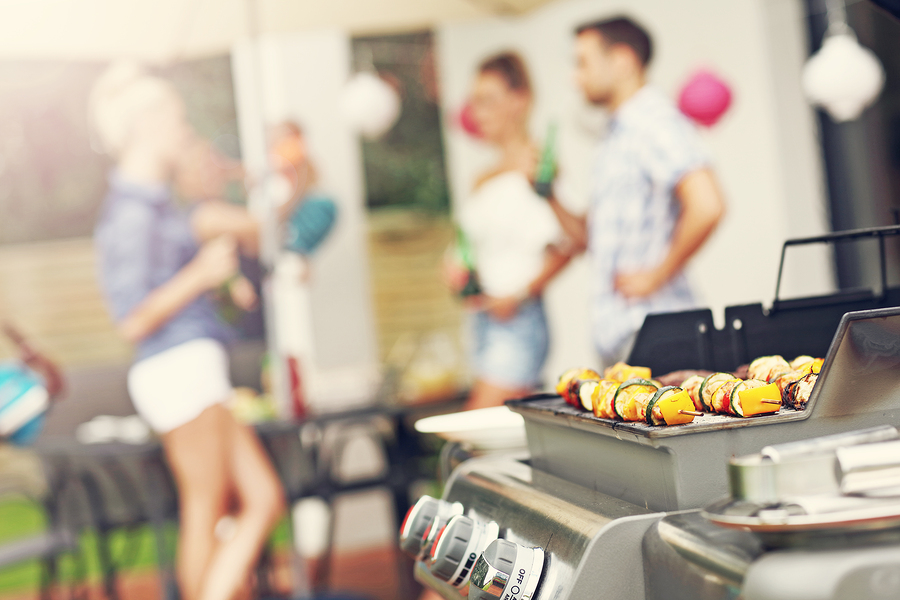
Umbrella Insurance Policy In Waipahu, HISummertime is one of the most popular seasons to BBQ with friends and family. Whether it’s grilling at your local park or in your backyard, gathering with friends and family on a sunny day always is a memorable event. What makes a BBQ party great? We give simple suggestions of how to create a party you and your guests will remember!

Create a Signature Drink 

  • Whether a great cocktail for the adults or fresh squeezed lemonade for kids, creating a signature drink for your BBQ party adds fun to the environment. Making one signature cocktail is much less work than playing bartender throughout the entire day. Think: sangria, mimosas, margaritas or Moscow mules. Many times you can make big pitchers to lessen the work load.

Prep in Pieces 

  • Instead of trying to do it all in one day, strategically plan to prep in pieces. Have one day where you just go to the grocery store. The next day, chop and prep your produce or make a side dish that can sit in the refrigerator overnight. On the day of your BBQ, setup your table or decorations.

Simple Entertainment 

  • One of the most simple forms of entertainment at a party is good music. Pick out a playlist or stream Pandora through your outdoor or bluetooth speaker. If you want to provide more entertainment, create an outdoor game competition like ladder golf, bocci ball, volleyball or corn hole. Squirt guns, a football/soccer ball or arts & crafts are easy to keep kids busy for hours.

Pick a Theme 

  • Theme parties can be even more memorable! Plus, you can match your food to your theme. If you don’t want to cook all of the food yourself and prefer a potluck style, give suggestions to your guests so they know exactly what to bring to fit your theme.

Buy Plastic Containers 

  • Obviously BBQs with plastic silverware and plates work great for easy cleanup but what about providing plastic take away containers for your guests? Especially if you have a lot of food leftover, plastic containers are a great way to share your food for another day. This also saves space in your own refrigerator! Ask your guests, “what food can I send you home with?”

While throwing a great BBQ party can make for great memories for you and your guests, being properly insured for any unexpected liabilities is also important. The good news is that umbrella insurance policies are relatively inexpensive. Contact an agent at our office for your personalized umbrella insurance quote today. We have years of insurance experience and can help you insure everything from your home to your auto or motorcycle. We live where you do and are an independent insurance agent, so we can help you find the right company to fit your needs. You can also check out our website, 24/7.
What Every Motorcycle Rider Should Know

Safety Tips for Beginners to Experienced Riders

The key to staying safe riding your motorcycle is to be prepared and understand how to avoid risks. Motorcyclists are at a higher risk being on the road compared to a vehicle. Keep these things in mind to dramatically lower your risk for injury.

Refine Your Skills

If you’re new to riding, look to take a riding course from the Motorcycle Safety Foundation in your area. This class can teach you the basics. Or, if you’re an experienced rider, you can learn more advanced techniques.

Practice Makes Progress

After taking a Motorcycle Safety riding course, be sure to get out there and ride! Racking up miles will help you become a better rider. Set a short term goal of riding 1,000 miles before a specific date.

Wear the Right Clothing & Footwear

Especially if you’re new to riding, you need to wear the proper attire in case you go down. Look to buy leather or textile protective gear (jacket, pants, gloves). It helps when your clothing is breathable when you’re riding in the hot summer days.

Shoes with good traction are essential to staying safe on the road. A non-slip bottom boot or shoe is ideal. They should also be over-the-ankle to give extra protection.

Ride More Defensive Than You Drive a Car

Many drivers don’t see motorcycles or simply make judgement errors because of your size. Be sure to pay more attention to your surroundings when you’re riding. Pay attention to everything including street corners and intersections, but also parking lots, alleys and anywhere where a vehicle is trying to enter into moving traffic. Also, look far ahead when you’re riding. For example, say a car is pulled over or construction is coming up. Sure, you may see it, but does the car next to you? Lastly, avoid the blind spot of all cars. Ride up ahead of them or far enough before in case they need to suddenly switch lanes.

Besides being aware of your surroundings, it’s important to look for pot holes or bumps in the road. While a car can handle these without a problem, being on a motorcycle is a different story. If you can’t avoid them, slow down as much as you can.

Do a Quick Inspection

Before hopping on your bike, be sure to check a few areas. Check the chain, belt, and brakes. Inspect your tires for proper pressure. Also check to make sure your lights and directional signals are working properly.

While we’d love to sit in your sidecar to help you ride safely, we have work to do saving great people like you money on their motorcycle insurance. As an independent agent, we have access to some of the top insurance carriers in the country.

If you have questions about your home, auto or renters insurance, call the insurance agents at Carr’s Insurance Agency in Waipahu. They have years of insurance experience and can help you insure everything from your home to your auto or motorcycle. They live where you do and are an independent insurance agent, so they can help you find the right company to fit your needs. You can also check out their website, 24/7.

Seven Areas to Look Before Buying a Used Camper

Simple Tips to Prevent an Unwanted Repair

Spring is a great season to start looking for good used campers. Whether you’re looking at a dealership or from a person off of Craigslist, it’s important to know how to look for possible damage or wear.

Look for these trouble areas to save yourself on repairs:

  1. Delamination

RV’s are typically made of a laminated plywood and adhered with an adhesive. This adhesive over time can become deteriorated and cause the side of the RV to delaminate. This delamination can become worse over time and unfortunately, there is not an inexpensive fix. Reasons for delamination can be moisture, heat or simply age. To look for delamination, look down the side of the RV. You’re looking for a change in the plane – it looks almost like a large bubble. Take your hand and press on it. Does it flex or feel like there is air between the exterior fiberglass shell and the interior plywood?

  1. Tires

Tires are easy to inspect. What you’re looking for is small cracks in between the tread. As RVs sit, they develop flat spots and weather cracks. These cracks while largely cosmetic in nature, can over time deteriorate the tire. If the tires are worn or cracked, consider this into the cost of purchasing the RV.

  1. Rodent Damage

Rodents get into everything. Your RV or trailer is no different. In fact, they make ideal homes for rodents because most of the year, they’re sitting undisturbed. When looking for signs of rodents, pull up some seat cushions and look in storage spaces. You’re looking for rodent droppings. Mice and rats leave droppings everywhere. This can both be a health hazard and also damage your RVs interior as they nest.

  1. Water Damage

RV’s are incredibly susceptible to water damage. Truth is many manufacturers in the US don’t build the RVs with as much quality as they could. Water damage is usually pretty easy to spot or smell. If the RV smells musty or feels damp, this is a big indicator. Look for mineral stains or water stains on wood, around skylights and air conditioners on the roof. Also, go around the RV or trailer and push in on all of the sides all the way around. If water got into the walls, it can quickly rot the structural portions of the RV. Pushing on the sides will identify any areas that may be compromised. An RV should be stiff and hard, if it flexes, it is possible there is water damage. Check closely around windows and on the roof.

  1. Appliances

RV appliances are incredibly expensive to replace because of their compact size. If you’re considering a used RV, have the owner or dealer fire up the refrigerator prior to you getting there so you can feel it cool. RV refrigerators can run on electricity, battery or propane. They take about 2 hours to cool down, so before your arrival, ask them to turn it on. Also, while there, test any water heaters and/or other systems that may be important to you.

  1. Canvas

If your trailer or RV has any canvas, look it over closely for mold and staining. Also, if any windows are plastic on your RV, check all zippers and windows for cracks. New canvas tops for a pop-up camper can cost upwards of $3,000.

  1. Floor

The floor of an RV is one of the most common places an RV, camper or trailer is damaged. The floor is typically made up of simple plywood and in older RVs was not protected by anything. Additionally, floors that were protected underneath often time trapped water that entered from above causing the floors to rot. When inspecting a trailer for a rotted floor, get on your hands and knees and push all over the floor looking for flex. If the floor flexes or feels mushy, it is likely rotten and may require replacement. You can also take a small screwdriver or pick and lightly push from underneath (for exposed wood floors only) and see if the material is rotted.

Taking these steps can save you a lot on costly RV repair. We hope you enjoy your camping season. Many memories can be made while camping so we hope we’ve been successful in helping you be an expert when shopping for a used RV.

If you have questions about your home, auto or renters insurance, call the insurance agents at Carr’s Insurance Agency in Waipahu. They have years of insurance experience and can help you insure everything from your home to your auto or motorcycle. They live where you do and are an independent insurance agent, so they can help you find the right company to fit your needs. You can also check out their website, 24/7.

How to inspect your roof for damage in Waipahu, HI

How to Inspect Your Roof for Damage

Six Areas to Prevent a Costly Repair

We all know that owning a home is an expensive investment. Unfortunately, you can’t just move in and let it set. Homes require constant maintenance to ensure you don’t get costly damage. We suggest doing a yearly home inspection.

Most people will never venture up onto their roof to see what is going on up there.  A homes roof takes a beating. In the summer, it bakes and the sealant can shrink and expand hundreds of times each year. Making sure your roofing is up to par will save you from costly damage such as mold, water damage, sagging rooflines, pests and much more.

During winter, rainwater can find its way through tiny cracks causing moisture in your attic or between the layers of roofing. Identifying these issues early on can save you thousands of dollars in repairs to the roof itself, drywall, mold or go into your walls creating all sorts of havoc.  It is critically important to understand that your home insurance does NOT cover water intrusion damages caused by deferred maintenance.

Things to look for on your roof inspection:

  1. Missing or damaged shingles
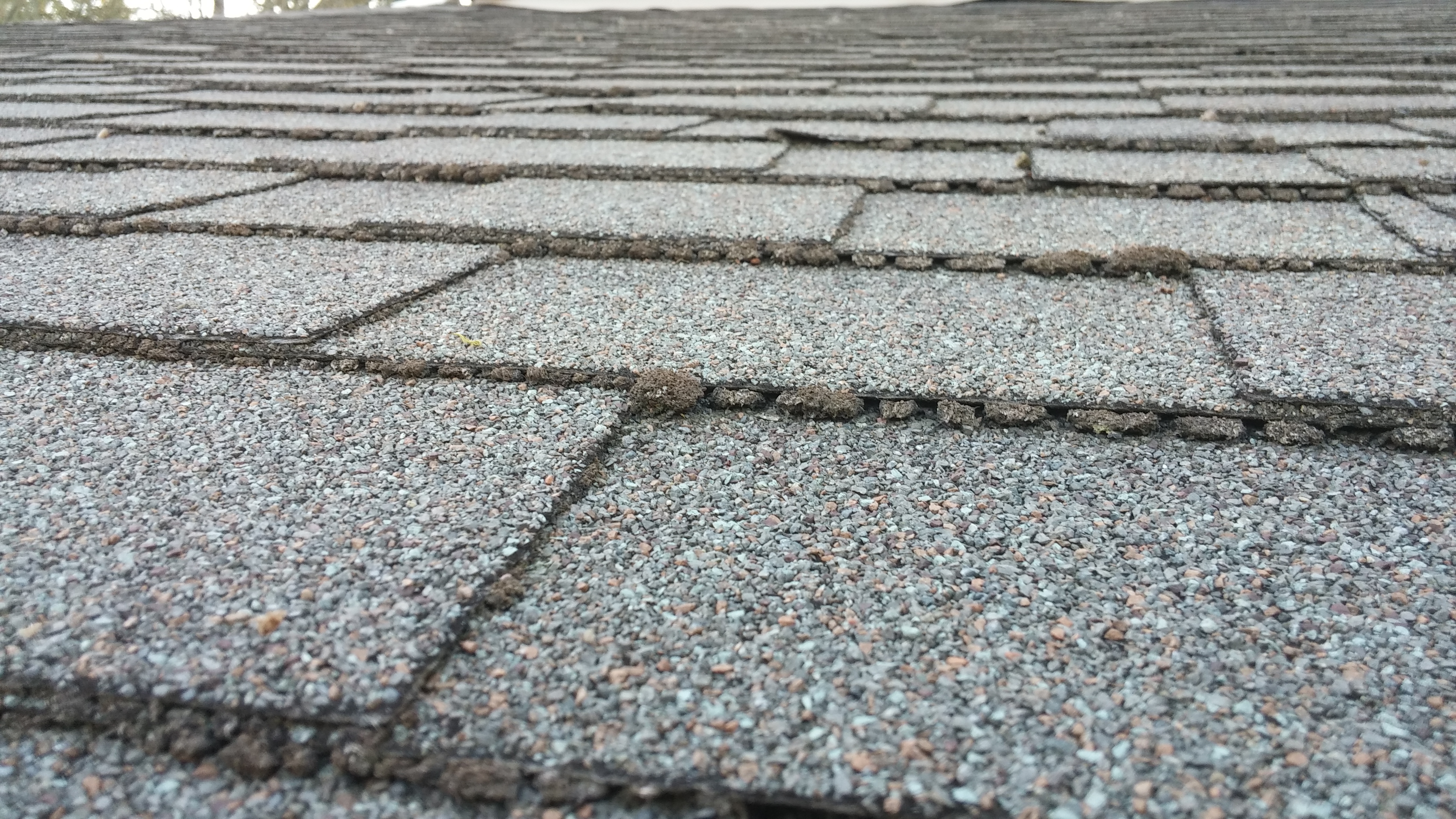
    1. Shingles can become damaged by wind and hail or even just years of use. When inspecting your shingles, make sure the granules are covering the shingle. Ensuring that your shingles are in proper working order will ensure water stays out of your home.
    2. Look for curling shingles, or if wood, cracked or decayed shingles.
  2. Flashing
    1. Your flashing is the metal pieces that go around skylights, butt up against walls and down the valleys on your roof.
    2. Make sure these pieces are whole and without damage such as being twisted upwards, or having holes in them from rust or other damages.
  3. Flat Roofs: Look for obvious patches, cracks, tears, or blisters.
  4. Gutters: Make sure your gutters are clear from debris, are not leaking and are butted up tight against the structure.
  5. Chimneys: Ensure your chimney cap is on tight and if it is brick, inspect for cracks.
  6. Ventilation: Make sure your ventilation caps are clear of obstruction.

Inspecting your roof is a quick and easy job. Take your time and be careful while up there as there are many trip hazards and climbing on and off of the roof onto a ladder can be tricky. But, if done safely, a roof inspection can identify problems that would normally not be covered by your homeowners insurance.

If you have questions about your home, auto or renters insurance, call the insurance agents at Carr’s Insurance Agency in Waipahu. They have years of insurance experience and can help you insure everything from your home to your auto or motorcycle. They live where you do and are an independent insurance agent, so they can help you find the right company to fit your needs. You can also check out their website, 24/7.

Key Things to Consider to Lower Your Energy Bill

Small Changes Can Add Up to Big Savings

How to lower your energy bill each month in Waipahu, HIEveryone loves to save money especially if it’s done with a few easy steps. Electricity bills can add up quickly in your home, but by making a few small changes can lower those bills and save money for other things in your monthly budget.

Easy To Do Steps to Lower Your Electricity Bill

Home Heating

Heating your home uses the most energy, but can offer up the best ways to save money.

Keep your heating system tuned up and inspected. A poorly maintained heating system adds up overtime. Get your heating system inspected by a professional to ensure you’re not wasting energy and money.

Check the furnace filter. When a filter is dirty, they use more energy. Replace the filter when needed and follow the instructions in your furnace manual. Usually every couple of months.

Don’t block heat registers or return ducts.

Home Cooling

Invest in an air conditioner that has a high energy efficient rating (EER). A unit with an EER of 10 will save you twice as much as an EER of 5 would to operate.

Keep the filter clean. Again, the dirtier the filter, the harder it has to work.

Keep your temperature consistent. Instead of constantly changing your thermostat up and down, pick a temperature and stick to it.

Appliances

Insulate your water heater. Your water heater and refrigerator can be prime energy suckers. By insulating your water heater, you could have a great return on savings.

Hang dry more of your clothes. This can save on energy, plus keep your clothes in better condition.

Not using an appliance? Unplug it. Keeping an appliance plugged in uses energy, so if you’re not using an appliance or even a phone charger, unplug it.

Always do a full load. This goes for the dish washer and washing machine. Focus on doing full loads vs. partial loads.

Clean the drain weekly. Unclog the drain of food particles and clean it weekly to keep your dish washer running efficiently.

Keep the thermostat at a specific temperature. The refrigerator is best at 38 to 42 degrees, while the freezer is best at 0 to 5 degrees.

Other Tips

Turn off the lights. This is a simple one! If you’re not in a room, turn the lights off.

Change your light bulbs. More and more people are doing this, but energy efficient light bulbs will help you save money on your energy bill. Plus, they last much longer! Dimmer light switches can be a great addition to your home and use less energy while you enjoy your preference of lighting in a room.

Utilize power strips. Many computers, televisions and other electronics use power when they are off. Plug these devices into a power strip and when you’re not using them, simply hit the power switch button to turn them off.

While we can’t lower your energy bill for you, we can help you find ways to lower your insurance. If you have questions about your home, auto or renters insurance, call the insurance agents at Carr’s Insurance Agency in Waipahu. They have years of insurance experience and can help you insure everything from your home to your auto or motorcycle. They live where you do and are an independent insurance agent, so they can help you find the right company to fit your needs. You can also check out their website, 24/7.

Six Tips to Prepare and Maintain Your Vegetable Garden

Home Garden Checklist

How to prepare a home garden in Waipahu, HISpring season can bring so much joy to garden lovers. Growing your own garden saves money on groceries each week, plus can give you the personal satisfaction of growing your own food. It’s fun when you can involve your kids and teach them a few of your favorite tricks! Many people feel like their garden vegetables taste better. Whether you’re a seasoned pro at gardening or you’re just a beginner, use the tips below to ensure success.

Pick Your Favorite Things

First, decide what you want to plant. If you are new to gardening, start small. You can grow herbs and vegetables in pots.

Find a Location

If you want to plant a vegetable garden, find a location that gets at least six hours of sunlight each day. Also, keep the size of the mature plants in mind. The taller plants should be placed on the north or west side of the garden so they do not shade the other plants. As for watering your garden, it helps to keep it close to your water spigot so you aren’t stuck dragging it across your yard.

Crops need enough spacing between each other. When placing your vegetables in rows, allow at least 18 inches between them.

Give the Soil a Boost

First, test your soil. Soak it with a hose then wait a day to see what it looks like. The next day, grab a handful and see how the soil holds up. If water streams out, add two to three inches of organic matter (manure, compost, decayed leaves, dry grass clippings). When you pick up a handful and the soil does not form a ball, it’s too dry. Add organic matter. You know the soil is ideal when you grab it and it forms a ball and then slightly breaks apart when you drop it.

Water

For most vegetable plants, one inch of water per week is enough. It’s best to water in the morning to retain moisture. When you water, deliver water slowly so the roots absorb the moisture the soil stays hydrated.

Add Mulch

Mulch insulates your soil. It also helps retain moisture, decrease the amount of weeds and protects plants from diseases. Place about two to three inches on organic mulch around your plants.

Use Just Enough Fertilizer

By using organic compost (about 20% of the total makeup of the soil), you will keep it fertile enough so it thrives naturally. Using too much fertilizer can hinder results by decreasing the amount of harvest.

While we can’t tend to your vegetables, we can tend to all of your insurance needs. If you have questions about your home, auto or renters insurance, call the insurance agents at Carr’s Insurance Agency in Waipahu. They have years of insurance experience and can help you insure everything from your home to your auto or motorcycle. They live where you do and are an independent insurance agent, so they can help you find the right company to fit your needs. You can also check out their website, 24/7.

Ever wonder what celebrities insure? You might be surprised.

Unique Insurance Policies

Unique Insurance Policies in Waipahu, HIWhen it comes to the insurance world, you can pretty much insure anything. There are companies that insure things for the obvious insurance reasons of liability, but also some that take risks on things like how much snow will fall in the mountains for a ski resort.

But, when it comes to making a living for celebrities, they are known for their talents! Celebrities have been known to insure their bodies for huge figures up to one billion dollars!

Some items insured by celebrities or other entities include:

  • Voice: Singers are known to insure their voice. After all, it is their voice that creates their income so insuring it ensures they will be able to make a living in the event something happens to their voice.
  • Body parts: Models insure everything from their legs and hands to their teeth and hair! Remember, insurance is about insuring your financial future.
  • Rewards: Insurance policies have been taken out by everyone from car dealerships to cover promotions gone wrong to rewards for providing proof that the Loch Ness monster exists!
  • Abduction – by aliens! You read correctly, people have taken out insurance policies in the event they’re abducted by aliens!
  • Whiskers: Some people have amazing beards! And, as slow as they grow, it would be wise of them to insure their impeccable whiskers.
  • Insuring against a lottery: Some employers take out insurance policies in the event that more than one of their employees wins the lottery and quit, they can cover their business until they find replacements.

If you have questions about your home, auto or renters insurance, call the insurance agents at Carr’s Insurance Agency. They have years of insurance experience and can help you insure everything from your home to your auto or motorcycle. They live where you do and are an independent insurance agent, so they can help you find the right company to fit your needs. You can also check out their website, 24/7.

Five Things to Discuss With Your Teen Driver

How to Keep Your Teen Safe on the Road

How to keep your teen driver safe on the roads in Hawaii This week represents National Teen Driver Safety Week. According to National Highway Traffic Safety Administration, the leading cause of death of teenagers from 15-19 years old in the United States is auto accidents. In order to decrease these numbers, it’s important for parents to sit down with their children to discuss the dangers of driving.

The National Teen Safety Week goal is to make teens aware of the “5 to Drive” Rules.

Keep in mind, in order for your teenagers to be following these five rules, parents need to be leading by example. If you aren’t following the rules yourself, your teenager won’t take these steps seriously. Educate your teen on the importance of each rule. Give real life scenarios and grim statistics so they understand why the “5 to Drive” is so crucial to follow.  

Alcohol

We all know not to drink and drive, but be sure to continue these conversations with your teen. It’s also important to discuss the major consequences of getting into an accident when alcohol is involved such as jail time, a loss of driver’s license and fines. If your teen happens to be in a situation involving alcohol, make a deal that you will pick them up to prevent the dangers of drinking and driving.

Seatbelts

This is such a simple habit to stay safe and it’s the best way to protect yourself! According to NHTSA, 64 percent of all young passengers and teen drivers who didn’t wear a seatbelt died in a motor vehicle accident. Train your teenager to buckle up every single time they get into a vehicle until it becomes a habit!

Texting

We all know the dangers of texting while driving. Distracted driving accidents continue to increase in deaths per year. Coach your teen to put their cell phone away before getting behind the wheel or let the passenger take care of any urgent texting.

Speeding

Teenage drivers learn in driver’s education that every time their speed doubles, their stopping distance quadruples. Be sure to continue this conversation to help them follow the speed limit. In 2013, almost one-third (29 percent) of teen drivers involved in a fatal crash were speeding.

Extra Passengers

The more passengers in your teenager’s vehicle, the more risk of a fatal crash. Some states prohibit any passengers from riding in your teenager’s car for a certain period. Check your State’s GDL law to see what your teenage driver needs to follow.

Remember, you will make the biggest impact on your teen’s safety behind the wheel. Show you care about their safety and take about the dangers of driving. Most importantly, follow the five rules yourself. With continued education, you’ll shape your teenager into a responsible driver.

While we can’t keep your teen safe on the road, we can answer any questions related to your home, auto or renters insurance. Call the insurance agents at Carr’s Insurance Agency in Waipahu. We have years of insurance experience and can help you insure everything from your home to your auto or motorcycle. We live where you do and are an independent insurance agent, so we can help you find the right company to fit your needs. You can also check out our website, 24/7.

Protecting your Home or Condo from Mold

Key Tips to Prevent Mold

How to Prevent Mold in Waipahu, HIEvery home in the US is vulnerable to mold damage and now that we’re coming into the cooler winter months, mold can thrive. Mold really needs one thing to grow: moisture.

Protect your home from mold by identifying and eliminating sources of moisture. Moisture can enter your home through many different areas including:

  • Damaged roof flashing
  • Damaged or worn out shingles
  • A downspout that is not properly setup to push water away from your home or foundation
  • A leaky pipe
  • Condensation from your laundry, shower or kitchen
  • A crawl space with no vapor barrier or an improperly installed vapor barrier
  • Single pane windows that are sweating
  • Seeping up through the floor

Eliminating these common problems is fairly simple. Identifying where the issues are coming from are sometimes more tricky as water can travel great distances before it makes it mark known. Look for mold on walls, around windows and in the corners of a room. Sometimes mold can grow under your carpet on cement slabs so if your basement smells moldy, that would be a good place to check.

There are many ways to remove moisture from your home. In bathrooms, laundry rooms and kitchens, install exhaust fans to remove excess moisture from laundry, showers and cooking. Without these fans, moisture can seep upwards and into your attic producing another hidden problem. A fan will quickly pull the excess moisture out of the room. Be sure to closely look at the size of the fan you install because a fan that is too small for the room may not even make a difference.

If moisture is entering your home through your crawlspace, a simple visual inspection can be completed. First, look to see if a vapor barrier exists (a black plastic). Make sure it is covering the entire surface, goes up over any pier blocks and extends to the edges of your foundation. If it doesn’t, consider a quick weekend project to remedy the issue.

If you have questions about your home, auto or renters insurance, call the insurance agents at Carr’s Insurance Agency in Waipahu. They have years of insurance experience and can help you insure everything from your home to your auto or motorcycle. They live where you do and are an independent insurance agent, so they can help you find the right company to fit your needs. You can also check out their website, 24/7.

How to Put Together an At-Home Emergency Kit

Be Prepared with a Custom-Built Supplies Kit.

How to Prepare a Disaster Kit in Waipahu, HIFall is a great time to consider disaster preparedness and to take a look at your family’s emergency kit. While disasters can happen anywhere, whether natural or man-made, it is important that your family be prepared.


For many, the thought of having a disaster preparedness kit in their home seems silly and unnecessary. The fact of the matter is that every state in our country is susceptible to a natural disaster such as an earthquake, tornado or hurricane, flood or even a volcanic eruption. Preparing for one of these events can be quick and inexpensive, but also a great time to educate your family about safety during one of these events.

The basic home preparedness kit, according to ready.gov should include:

  • Water – 1 gallon per person, per day. Minimum 3 day supply.
  • Food – non-perishable food such as canned tuna, canned fruits & vegetables, nuts, dried fruit, low sodium crackers, soups. Also, dry mixes that do not require refrigeration. Store food in tightly closed containers to extend it’s shelf life and protect from pests. Change food & water supplies every six months to keep fresh supplies.
  • Battery powered radio for emergency information
  • Flashlight with extra sets of batteries. (Consider an LED flashlight that requires much less energy to use)
  • First aid kit
  • Whistle to signal for help
  • Dust masks, plastic sheeting and duct tape to seal off an area from contaminants
  • Moist towelettes for simple hygiene
  • A manual can opener and pocket knife
  • Cell phone w/ solar charger of some sort

Additional items could include prescription medicines, diapers, pet food and blankets. Keep this kit in a designated area where your entire family can easily find it.

If you have questions about your home, auto or renters insurance, call the insurance agents at Carr’s Insurance Agency in Waipahu. They have years of insurance experience and can help you insure everything from your home to your auto or motorcycle. They live where you do and are an independent insurance agent, so they can help you find the right company to fit your needs. You can also check out their website, 24/7.