
Understanding Flood Insurance and Sewer Backup Coverage

Flood Insurance and Sewer Backup Insurance – Not the same thing.

Flood Insurance vs. Sewer Backup Coverage in Waipahu, HIFloods are the most devastating natural disaster in the United States each year causing billions in losses and displacing thousands. While flooding is a common concern for those near rivers and streams, all homes in the United States can be caught off-guard by floods. When it comes to flood insurance, it is important to understand what flood insurance is and what is covered. Many people think flood insurance is anything to do with water in their home. This is far from the truth. Floods are defined as surface water that enters your home from the outside – not to be confused with a leaky roof or a broken pipe, loose toilet or other plumbing related issue. Another issue altogether is sewer backup with may or may not be covered depending on what caused it to occur.

Let’s take a closer look at these policies:

Flood Insurance: Flood insurance covers your property and contents from damages that occur when water from outside the home enters the home. Beit a heavy rainstorm, a clogged drain in the street or even a hurricane that causes a tidal surge that backs up streams and rivers.

  • Cost: According to floodsmart.gov, the average flood insurance policy costs around $700 a year. Depending on your area and whether you’re in a flood prone area, your costs can be higher or lower.
  • What’s covered: The typical flood insurance policy will cover your building and the contents. Be sure to discuss contents coverage with your agent to ensure you have enough coverage. The price of the policy will be largely determined by how valuable your items are and how much coverage you need.
  • When to buy: Flood insurance requires a 30 day waiting period. The best time to buy a flood insurance policy is as soon as you decide you want it.

Water & Sewer Backup Coverage: Sewage backup insurance is not included with a standard homeowner’s insurance policy. Sewage backup occurs for many reasons, but ultimately, what is happening is there is a blockage that causes water to reverse course and push up into your sinks, bathtubs or other outlets. This can be a smelly, filthy event and one you want to be sure to discuss with your agent. Believe it or not, this is a somewhat common occurrence.

  • Cost: Cost always varies, but typically a sewer backup endorsement will run you under $100. Be sure to ask your agent about different policy options.
  • What’s covered: You purchase specific amounts of covers, such as $10,000 or $15,000. This helps cover the cost of cleaning the damage caused from the backup as well as replacing carpets, drywall, and even cleaning or replacing ducts.
  • When to buy: Water and sewage backup occurs everywhere. There is no real good indicator or when this event will occur, so protecting early is critical.

We understand insurance is confusing, so if you still have questions, feel free to call one of our licensed agents and ask to speak about flood or sewage backup coverage.

If you have questions, call the insurance agents at Carr’s Insurance Agency in Waipahu. They have years of insurance experience and can help you insure everything from your home to your auto or motorcycle. They live where you do and are an independent insurance agent, so they can help you find the right company to fit your needs. You can also check out their website, 24/7.

Exercise Diligence When Leaving an Online Review

A Negative Online Review Can Leave You Liable 

Be Cautious Before Posting a Negative Online Review in Waipahu, HIEveryone today is connected in some way to social media. It can be by Facebook, Yelp, email or other internet outlets. When you write something, you leave your fingerprint for everyone to see. If you go to a restaurant, dentist, daycare or other business and have a bad experience, you might think of writing a bad review on the company’s Facebook page or Yelp. If you decide to do this, it is important to exercise caution about how you word your experience as recent cases have shown you can be sued for libel – even if you think the review was justified. This can be a very frightening situation and how on earth can you afford to pay attorney fees? What do you do?

If you have the right coverage on your homeowners insurance, you likely have protection for these personal offenses such as libel, slander or defamation of character. If you receive a lawsuit, you need to contact your homeowners insurance claim’s department right away. The claims department will defend you and pay for damages up to certain limits on your policy. If you want to be extra cautious, you can get an umbrella insurance policy that would give you coverage above and beyond your homeowners policy for attorney fees and any damages awarded. It is important to understand your home or renters insurance.

If you have questions about one of these policies, feel free to contact one of our licensed agents at Carr’s Insurance Agency in Waipahu. We have years of insurance experience and can help you insure everything from your home to your auto or motorcycle. We live where you do and are an independent insurance agent, so we can help you find the right company to fit your needs. You can also check out our website, 24/7.


Renters Insurance Policies Help Protect More Than Just Your Personal Items

Understanding Renters Insurance

Renters Insurance in Waipahu, HIIf you’re like 2 out of every 3 renters who rent a home, apartment or other dwelling, you don’t carry a renters insurance policy. The reason for not carrying renters insurance varies, but it is important to understand that your landlord is not responsible for your personal belongings if they are damaged, stolen or otherwise. You alone are responsible for your things, so protecting them with a renters insurance policy is important.

When you’re ready to speak to an agent, consider the following:

  1. Cost: Renter’s insurance is typically very inexpensive, usually not costing more than just $1 per day! Think about it, if you buy a coffee in the morning, that is about 2-3 times as much as getting a renters insurance policy.
  2. What’s covered: Renters insurance will typically cover your clothes, furniture, electronics, bicycles and jewelry, but only up to what your policy limits say. You have a choice to add additional coverage to cover certain items that may exceed your policy limits such as furs, art and jewelry.
  3. What loss types are covered? Typically, your renters insurance will cover your items due to fire, theft, smoke and water damage if your home has a water leak (talk to an agent about flood specifically as this coverage varies). A renters policy can also cover your items while your away. Say you ride your bike to a park and it gets stolen there. Renters insurance will typically cover that loss.
  4. Injuries: Another reason renters insurance is great is that it provides you with liability protection if you’re found to be liable for injuries to someone who is at your home.
  5. Roommates: Many people have roommates who live with them. If you want an insurance policy to cover your roommate you must get your insurance company to list them on the insurance policy. It is always a good idea to have your roommates listed on the policy. It helps protect your household – not just either party.
  6. Dogs: If you have a dog in the house, be sure to tell your agent.

Understanding insurance can be difficult, but simply going without it shouldn’t be an option. If you have additional questions about Renters insurance, contact your insurance agent to discuss your options. It is even possible that you’d get a discount for bundling your policies.

If you have questions about your home or renters insurance, call the insurance agents at Carr’s Insurance Agency in Waipahu. They have years of insurance experience and can help you insure everything from your home to your auto or motorcycle. They live where you do and are an independent insurance agent, so they can help you find the right company to fit your needs. You can also check out their website, 24/7.

Would You Know What To Do In the Event You Have a Driving Emergency?

Carr’s Insurance discusses the four common driving emergencies and how to work through them.

What to do if a driving emergency in Waipahu, HIDriving hazards present themselves daily and can occur year-round in every state. But, would you know what to do in the event a driving hazard presented itself?

Wildlife: Hitting a deer in the roadway can be a traumatic experience, but it could also be deadly. The U.S. Dept. of Agriculture cites as many as 2 million collisions with animals occur each year in the U.S. Prepare by following these steps:

  • Stay alert: if you are driving in rural areas, be aware that wildlife is always nearby and keep a lookout towards the sides of the road.
  • Don’t swerve: Swerving cannot only results in a worse injury and more severe accident, but your insurance company might find you at fault if you swerve to miss a deer and end up hitting a tree or guard rail. Keep your car pointed forward and hit the brakes!
  • Be more aware at night: Animals can become more active in the evenings and some travel in groups. If you see one, chances are there are more nearby. If there are two lanes, drive in the lane farthest away from the side of the road.

Blown Tires: A blown tire can be a startling experience, but knowing what to do in the event you have one can save you from an accident. Keep these things in mind:

  • Don’t slam on the brakes: Slamming on the brakes with a blown tire will only make matters worse because it will cause your vehicle to pull hard in the direction of the flat. Slowly pull to the side of the roadway, as far away from traffic as possible.
  • Work to maintain your steering: If a front tire blows, it can really cause the vehicle to pull. Do your best not to overreact to the sudden jolt and swerve the other way. This could cause your vehicle to lose control.
  • Place your blown tire and wheel under the car slightly when changing your tire: So many injuries occur when a jack is improperly used. Placing your tire under the car can save you from being crushed if a jack fails.

Bugs in the Car: We’ve all experienced the spider in the car!

  • Pull over: While a spider or bee in the vehicle can be alarming, you have to remember – it is probably more afraid of you than you are of it! Carefully pull over to the side of the road and let your unwanted passenger out.
  • Don’t let it take your eyes off the road: It can be tempting to try to swat at the insect or arachnid while driving, but don’t. It will only increase the chances of causing a more serious crash.

Black Ice: It is getting to that time of year when black ice can occur on roadways. If your vehicle begins to slide on ice, it is important to understand what to do:

  • Let off the gas: Many vehicle have stability control and will work to auto-correct the problem. Stop accelerating and let your car recover.
  • Let off the brake: Applying the brakes on ice can unfortunately make matters worse. Never slam the brakes on, but gently apply them.
  • Drive slowly: if you notice the temperature beginning to plunge, drive more slowly. Less accidents occur when drivers keep the speeds under 45 MPH during icy conditions.

While we can’t always be in the car with you to avoid hazards, we can help you with your auto and home insurance questions.

If you have questions about your home, auto or renters insurance, call the insurance agents at Carr’s Insurance Agency in Waipahu. They have years of insurance experience and can help you insure everything from your home to your auto or motorcycle. They live where you do and are an independent insurance agent, so they can help you find the right company to fit your needs. You can also check out their website, 24/7.

Five Things to Discuss With Your Teen Driver

How to Keep Your Teen Safe on the Road

How to keep your teen driver safe on the roads in Hawaii This week represents National Teen Driver Safety Week. According to National Highway Traffic Safety Administration, the leading cause of death of teenagers from 15-19 years old in the United States is auto accidents. In order to decrease these numbers, it’s important for parents to sit down with their children to discuss the dangers of driving.

The National Teen Safety Week goal is to make teens aware of the “5 to Drive” Rules.

Keep in mind, in order for your teenagers to be following these five rules, parents need to be leading by example. If you aren’t following the rules yourself, your teenager won’t take these steps seriously. Educate your teen on the importance of each rule. Give real life scenarios and grim statistics so they understand why the “5 to Drive” is so crucial to follow.  

Alcohol

We all know not to drink and drive, but be sure to continue these conversations with your teen. It’s also important to discuss the major consequences of getting into an accident when alcohol is involved such as jail time, a loss of driver’s license and fines. If your teen happens to be in a situation involving alcohol, make a deal that you will pick them up to prevent the dangers of drinking and driving.

Seatbelts

This is such a simple habit to stay safe and it’s the best way to protect yourself! According to NHTSA, 64 percent of all young passengers and teen drivers who didn’t wear a seatbelt died in a motor vehicle accident. Train your teenager to buckle up every single time they get into a vehicle until it becomes a habit!

Texting

We all know the dangers of texting while driving. Distracted driving accidents continue to increase in deaths per year. Coach your teen to put their cell phone away before getting behind the wheel or let the passenger take care of any urgent texting.

Speeding

Teenage drivers learn in driver’s education that every time their speed doubles, their stopping distance quadruples. Be sure to continue this conversation to help them follow the speed limit. In 2013, almost one-third (29 percent) of teen drivers involved in a fatal crash were speeding.

Extra Passengers

The more passengers in your teenager’s vehicle, the more risk of a fatal crash. Some states prohibit any passengers from riding in your teenager’s car for a certain period. Check your State’s GDL law to see what your teenage driver needs to follow.

Remember, you will make the biggest impact on your teen’s safety behind the wheel. Show you care about their safety and take about the dangers of driving. Most importantly, follow the five rules yourself. With continued education, you’ll shape your teenager into a responsible driver.

While we can’t keep your teen safe on the road, we can answer any questions related to your home, auto or renters insurance. Call the insurance agents at Carr’s Insurance Agency in Waipahu. We have years of insurance experience and can help you insure everything from your home to your auto or motorcycle. We live where you do and are an independent insurance agent, so we can help you find the right company to fit your needs. You can also check out our website, 24/7.

Protecting your Home or Condo from Mold

Key Tips to Prevent Mold

How to Prevent Mold in Waipahu, HIEvery home in the US is vulnerable to mold damage and now that we’re coming into the cooler winter months, mold can thrive. Mold really needs one thing to grow: moisture.

Protect your home from mold by identifying and eliminating sources of moisture. Moisture can enter your home through many different areas including:

  • Damaged roof flashing
  • Damaged or worn out shingles
  • A downspout that is not properly setup to push water away from your home or foundation
  • A leaky pipe
  • Condensation from your laundry, shower or kitchen
  • A crawl space with no vapor barrier or an improperly installed vapor barrier
  • Single pane windows that are sweating
  • Seeping up through the floor

Eliminating these common problems is fairly simple. Identifying where the issues are coming from are sometimes more tricky as water can travel great distances before it makes it mark known. Look for mold on walls, around windows and in the corners of a room. Sometimes mold can grow under your carpet on cement slabs so if your basement smells moldy, that would be a good place to check.

There are many ways to remove moisture from your home. In bathrooms, laundry rooms and kitchens, install exhaust fans to remove excess moisture from laundry, showers and cooking. Without these fans, moisture can seep upwards and into your attic producing another hidden problem. A fan will quickly pull the excess moisture out of the room. Be sure to closely look at the size of the fan you install because a fan that is too small for the room may not even make a difference.

If moisture is entering your home through your crawlspace, a simple visual inspection can be completed. First, look to see if a vapor barrier exists (a black plastic). Make sure it is covering the entire surface, goes up over any pier blocks and extends to the edges of your foundation. If it doesn’t, consider a quick weekend project to remedy the issue.

If you have questions about your home, auto or renters insurance, call the insurance agents at Carr’s Insurance Agency in Waipahu. They have years of insurance experience and can help you insure everything from your home to your auto or motorcycle. They live where you do and are an independent insurance agent, so they can help you find the right company to fit your needs. You can also check out their website, 24/7.

How to Put Together an At-Home Emergency Kit

Be Prepared with a Custom-Built Supplies Kit.

How to Prepare a Disaster Kit in Waipahu, HIFall is a great time to consider disaster preparedness and to take a look at your family’s emergency kit. While disasters can happen anywhere, whether natural or man-made, it is important that your family be prepared.

For many, the thought of having a disaster preparedness kit in their home seems silly and unnecessary. The fact of the matter is that every state in our country is susceptible to a natural disaster such as an earthquake, tornado or hurricane, flood or even a volcanic eruption. Preparing for one of these events can be quick and inexpensive, but also a great time to educate your family about safety during one of these events.

The basic home preparedness kit, according to ready.gov should include:

  • Water – 1 gallon per person, per day. Minimum 3 day supply.
  • Food – non-perishable food such as canned tuna, canned fruits & vegetables, nuts, dried fruit, low sodium crackers, soups. Also, dry mixes that do not require refrigeration. Store food in tightly closed containers to extend it’s shelf life and protect from pests. Change food & water supplies every six months to keep fresh supplies.
  • Battery powered radio for emergency information
  • Flashlight with extra sets of batteries. (Consider an LED flashlight that requires much less energy to use)
  • First aid kit
  • Whistle to signal for help
  • Dust masks, plastic sheeting and duct tape to seal off an area from contaminants
  • Moist towelettes for simple hygiene
  • A manual can opener and pocket knife
  • Cell phone w/ solar charger of some sort

Additional items could include prescription medicines, diapers, pet food and blankets. Keep this kit in a designated area where your entire family can easily find it.

If you have questions about your home, auto or renters insurance, call the insurance agents at Carr’s Insurance Agency in Waipahu. They have years of insurance experience and can help you insure everything from your home to your auto or motorcycle. They live where you do and are an independent insurance agent, so they can help you find the right company to fit your needs. You can also check out their website, 24/7.

Six Pieces of Technology That Could Prevent a Home Insurance Claim

How Technology Can Keep Your Home Claims-Free!

Use Smart Technology to Keep Your Home Free of Claims in Waipahu, HIWe touched a couple weeks back on how simple pieces of technology can keep your home safe from burglary. Well, wouldn’t it be great if technology could help us avoid other claims like water damage, fire & freezing damage?
Technology for the home has taken huge steps in the past 5 years. In fact, most everything in a home can be controlled by a mobile device and an installed home router (Wi-Fi). Implement some of these do-it-yourself items into your home to help you avoid an insurance claim:

Thermostats: Not only does a smart thermostat help you reduce your energy consumption, you can now monitor the home temperature while away on vacation. We all know someone who has experienced a frozen pipe that caused water damage. Typically this is because the thermostat wasn’t on and a cold-snap came through. Smart thermostats allow you to adjust the temperature through a Wi-Fi signal even while you’re abroad.

Smart Garage Door Openers: I think we’ve all come back home and noticed we left the garage door open all night, or even left the house only to reach your destination and think… did I leave my garage door open? Smart garage door openers work with your Wi-Fi system to notify you if the door is open or closed. You can then close it from your mobile device ensuring your items stay safe and sound.

Water sensors: Water sensors alert to you when water is standing on the floor. A great place to install a water sensor is behind a toilet, near a dishwasher and behind your refrigerator if you have a water/ice maker. Water sensors can be synced up with your existing alarm system or are available in a Wi-Fi version which at this time run around $60 each.

Smart Smoke Alarms: Smoke alarms are really the first line of defense for fires and smoke damage. Often times a fire will smolder, but the resulting smoke damage can be just as damaging. Smoke alarms, like water sensors, can be obtained by your existing home security company and tied in. Additionally, smoke alarms can be tied into your Wi-Fi alerting you if something is awry at home while you’re way.

Smart Locks: “Did you lock the front door when we left? No, I was carrying the suitcase.” Fortunately, door locks are available in a Wi-Fi enabled where you can simply lock and unlock your front door via a battery and Wi-Fi signal. Unlocked front doors are now a thing of the past.

Humidity Monitors: High humidity is another sign that you have water in your home. When humidity rises it can wreak havoc on your home. Humidity sensors come in all sorts of devices including your thermostat, furnace and even some home video monitors like the aforementioned Canary device we mentioned in our blog about home security. If the humidity is extra high, this may be a sign that water is leaking somewhere.

If technology is your thing, consider some of these options! For most people, insurance is not. Fortunately if you have questions about your home or renters insurance, call the insurance agents at Carr’s Insurance Agency in Waipahu. They have years of insurance experience and can help you insure everything from your home to your auto or motorcycle. They live where you do and are an independent insurance agent, so they can help you find the right company to fit your needs. You can also check out their website, 24/7.

How to Protect Your Home in Waipahu, HI while on vacation

Three Things to Do Before You Leave on Vacation

How to Protect Your Home While Away

How to Protect Your Home in Waipahu, HI while on vacationAh, summer. A time where we enjoy the great outdoors and most often take our vacation for the year. Whether you’re traveling close to home on a short camping trip or headed off to Europe with the drones of other tourists, keeping your home safe while you’re away can be as simple as not doing anything differently. Ponder these points to keep your home safe from burglary while on vacation:


Social Media:

It is best to keep the details of your vacation until you get back from your trip. Far too often people divulge the details of their trip prior to leaving. You may as well put a sign on the door that says “nobody home.” Post your pictures and narrative when you get back so burglars don’t know you’re gone.

Neighbors

Most people get along great with their neighbors and help each other out while away on vacation by checking the mail, removing newspapers from the driveway and putting out the trash. Make sure you tell your neighbors when you’re leaving town so they can keep a watchful eye out for any strange activity.

Technology

Americans love their technology. Home security systems have come a long way since and you no longer need a monitored home security device. Consider options like Canary. A home video surveillance system that sends you a text when there is motion detected at your home. You can then pull it up and watch a live video stream allowing you to record the activity as well as call police.

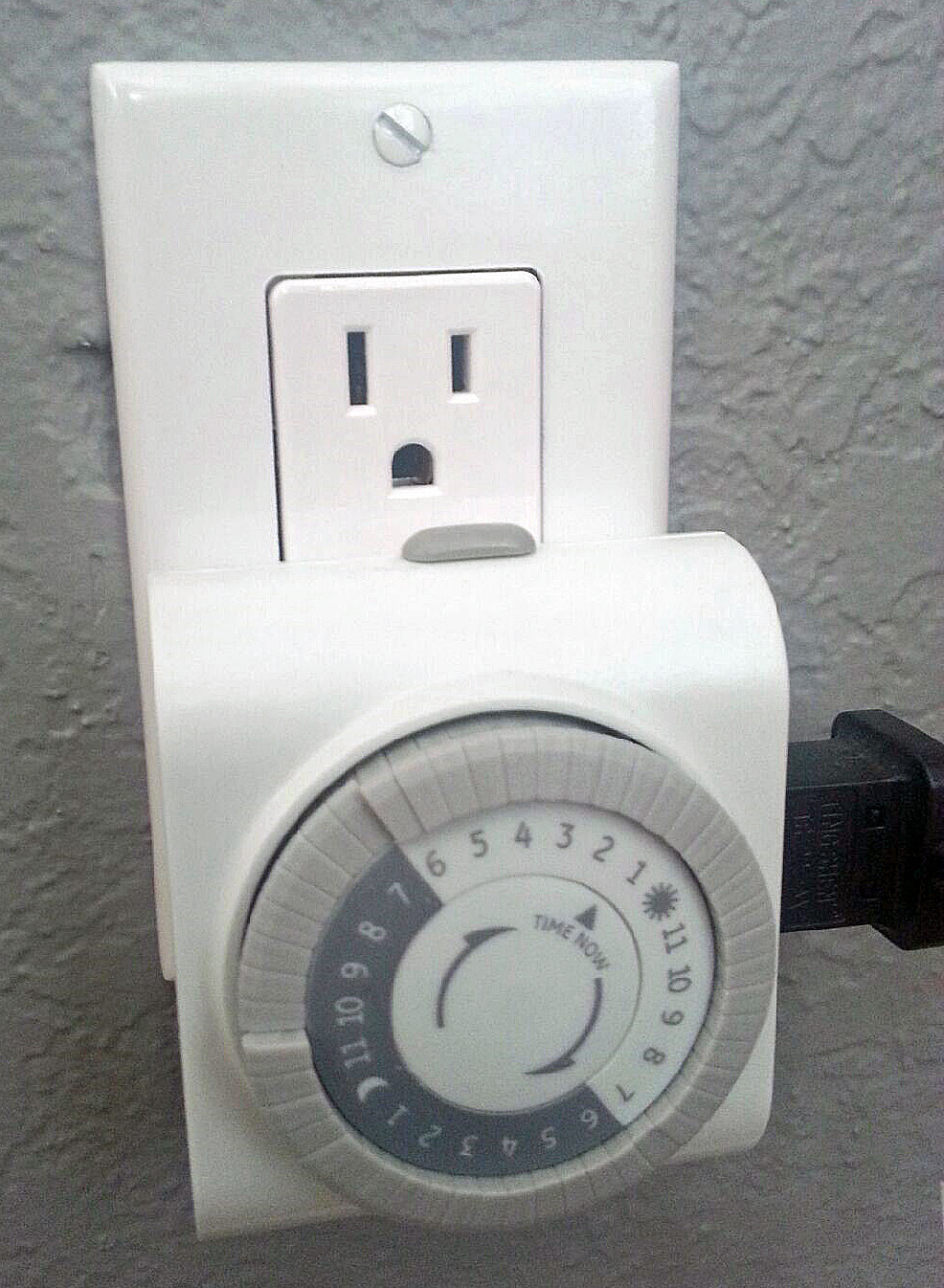
Another simple piece of technology is an outlet timer. These small devices can turn on and off lights throughout your house throughout the night making it appear that someone is home. At about $9.00 each, a very inexpensive security option. You can set them up in different rooms to make it look like you’re moving around the house. To keep it efficient, use LED bulbs in your lamps you intend to leave running throughout the night.

There are many other things you should do while heading off for vacation. Following these simple tips can help you avoid a costly insurance burglary and losing items that simply can’t be replaced. If you have questions about your home or renters insurance, call the insurance agents at Carr’s Insurance Agency in Waipahu. They have years of insurance experience and can help you insure everything from your home to your auto or motorcycle. They live where you do and are an independent insurance agent, so they can help you find the right company to fit your needs. You can also check out their website, 24/7.

Insure Your Comic Books, Antiques, Fine Art and More in Waipahu, HI

Are Your Collectibles Covered by Insurance?

Insuring Comic Books, Fine Art, Antiques & More

Insure Your Comic Books, Antiques, Fine Art and More in Waipahu, HISo, you’ve got an Amazing Fantasy #15 comic book – the first appearance of Stan Lee’s Spider Man in a safe from when you were just a kid. What you probably know is that this item can be worth tens of thousands of dollars, but what you probably don’t understand is what happens if that item is lost, stolen or destroyed by a disaster in your home.


Many of us acquire valuable items from inheritance, being collectors or investment purposes throughout our lives. Perhaps you received a valuable old watch, or received an expensive engagement ring.  Often time people assume that these collectibles will simply be covered by your standard home insurance policy as a covered item. What is important to understand about insuring these items is that your standard home insurance policy has specific limits for these valuable items. Typically around $1500, but this amount varies between companies. So, if you have a watch worth $10,000 you’ll have a gap of $8500. What you need to talk to your insurance agent about is getting something called a “floater.” A floater is a type of insurance policy that allows you to insure a specific item. One way to remember a floater is that the items it covers tend to be able to float away (be carried away). Thus, increasing the chances of theft or damage.

Some valuable items to consider adding to a floater include:

  • Watches
  • Rings, necklaces and other jewelry
  • Art
  • Furs
  • Historical Documents
  • Comic Books
  • Antiques
  • Expensive electronics

While they may not have an expansive comic book collection or a one-of-a-kind fur coat from the 30’s, if you have questions about your home or renters insurance, call the insurance agents at Carr’s Insurance Agency in Waipahu. They have years of insurance experience and can help you insure everything from your home to your auto or motorcycle. They live where you do and are an independent insurance agent, so they can help you find the right company to fit your needs. You can also check out their website, 24/7.