Protecting your family from hidden home dangers

The home is a safe haven that is often impenetrable from the troubles and dangers of the outside world. We don’t often think about the unseen risks that could be lurking in homes, although there are a few gases that can be potentially hazardous to your health. All three of these gases are colorless and two are odorless, so you may not be aware that you could be in danger.

Hidden home dangers in Hawaii:

  • Radon: Radon is a colorless, odorless radioactive gas that can seep into a home through cracks in the walls or foundation and through other gaps in the structure of the home. According to the Environmental Protection Agency radon “comes from the natural decay of uranium that is found in nearly all soils…and…nearly 1 out of every 15 homes in the U.S. is estimated to have elevated radon levels.” Radon can contribute to the development of lung cancer if one is exposed for long periods of time. Fortunately, testing for radon in the home is relatively easy and cheap. If it is found that you do have radon in your home, repairs can be done either by you or a contractor. Check out the EPA’s Consumer’s Guide to Radon Reduction for more information about radon testing and repair. It is important to note that if you do find radon in your home and you plan on selling it, you will need to disclose this information to the buyers and may be asked to take care of the issue prior to the close of the sale.
  • Carbon Monoxide: We have all heard about the dangers of carbon monoxide in the garage, but it can get into your house through various sources. Carbon monoxide is a colorless, odorless gas that can make you feel dizzy, nauseated and sleepy. If exposed for too long, CO can cause suffocation. Sources that can leak CO include gas space heaters, chimneys, furnaces and gas generators. Most new homes and apartments have CO detectors installed, however if your home does not have one, they are relatively inexpensive. To help keep CO levels in your home down, make sure that all gas appliances are in proper working order. Ensure your chimney flues are open and the chimney is clear when lighting a fire and never use a generator in an enclosed space. If you suspect that you have a CO leak or CO poisoning call 911.
  • Natural Gas: You know the smell of natural gas, while colorless, smells like rotten eggs. Natural gas leaks can occur when pilot lights for stoves or furnaces go out. The can also occur when there is a leak or puncture in the line. Natural gas is a highly combustible material, so if you suspect a leak, you’ll want to leave your home and call the gas company. They will send out a technician to shut off the gas and determine the problem.

While these gas intrusions do not happen often and can be remedied quite quickly, being prepared with carbon monoxide monitors and testing for radon can help stave off a potentially hazardous situation before it starts. Ask the local insurance experts at Carr’s Insurance Agency in Honolulu, HI about any discounts for which you may be eligible. They can assist you with discounts, amending an existing policy or setting up a new policy. Visit their insurance website 24/7 to learn more about home insurance or the other insurance products they offer like auto insurance or flood insurance.
generator safety hawaii

Generator Safety 101

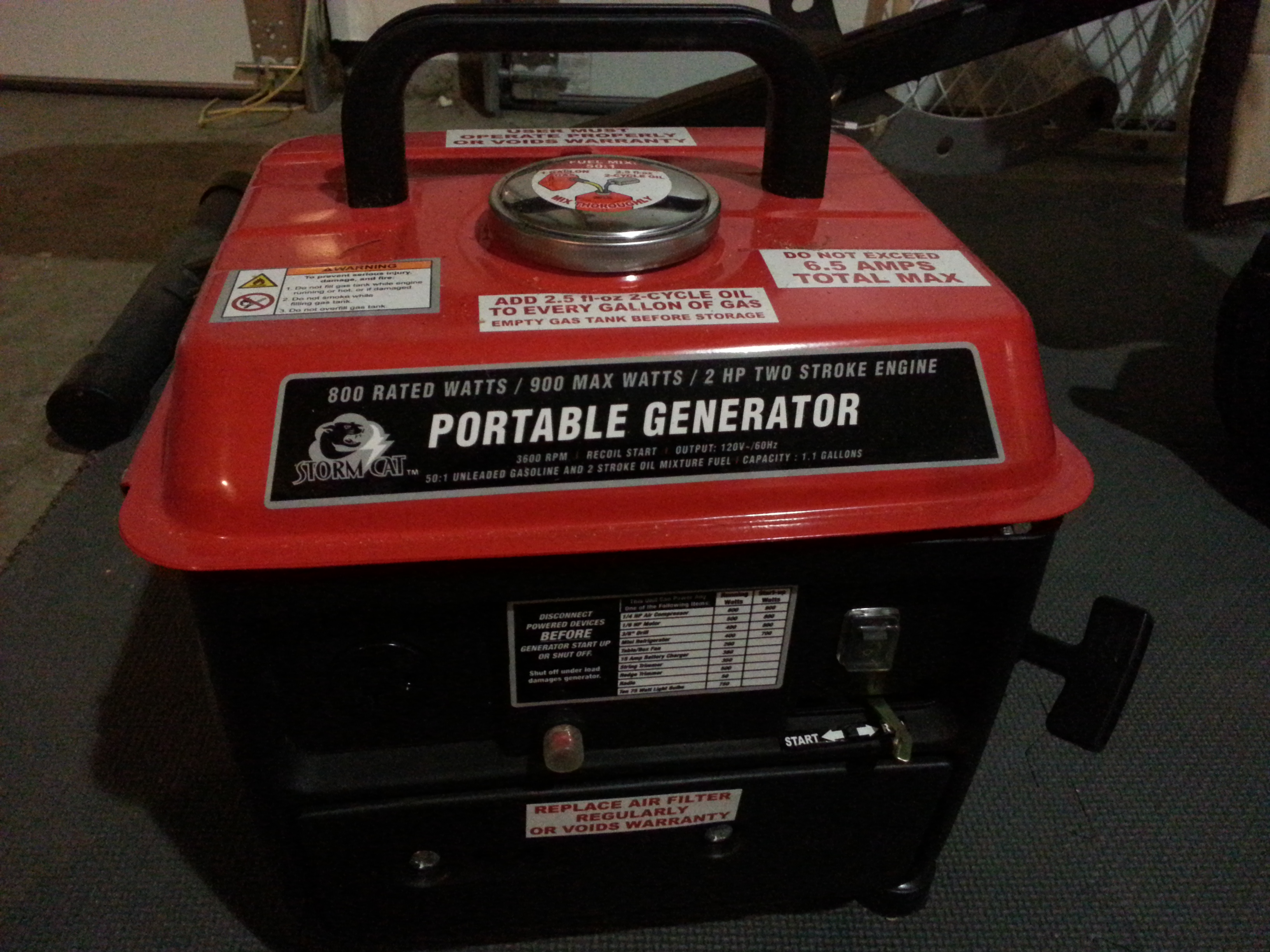
At some point you may have lost power and depending on for how long, you may have gone and purchased a generator. Some purchase generators for the “just-in-case” scenario, while others use them for running a small shop. Regardless of why you have a back-up generator, they can be a great tool for helping to keep warm and possibly running some small appliances or light fixtures (depending on the size of your generator.) There are some key safety issues that one should take into consideration when purchasing and using a portable generator during inclement weather or even while camping.

Generator Safety 101 in Hawaii:

  • Power: When trying to pick out a generator you need to consider what exactly it will be powering. For lighting, heat and appliances, there are specific wattages that need to be met. If the generator is not powerful enough to run these items, both the generator and the appliances, etc., could be damaged. A simple way to figure this out is to look at the generator “running/rated watts.” If the running watts on a generator lists it as 1500, then it can run up to 15 100 watt light bulbs. Some appliances such as fans have a starting surge. So, if a fan is 200 watts, but has a 600 watt power surge when you turn it on, you technically only have 900 watts left on your generator. If running other appliances, remember, 1kw = 1,000 watts, volts x amps = watts, so 3 amps at 120 volts = 360 watts.
  • Placement: You never want to use a generator indoors. Running a generator indoors is essentially like running car in a garage with the door closed. Generators release carbon monoxide (CO) and even in small doses that can be deadly. Installing a battery-operated CO monitor, like this, is a great way to help protect yourself from CO poisoning. The generator should be placed at least 25 ft. from the home or camper and should be in a cleared area. Generators can produce quite a bit of heat and could spark a fire in the right conditions, so if you’re out camping, ensure the area is free of debris. Be cautious when using a generator in wet conditions, a pop-up open air canopy could keep the generator dry. If the weather is wet, use covers on extension cords and remember to never touch electrical outlets or plugs with wet hands.
  • Powering the generator: Generators run on fuel, diesel, unleaded or 2 cycle depending on the type you purchase. When buying and storing fuel, only use approved containers. Every city has different regulations regarding the amount of fuel that can be stored in a residence and where it can be stored, check your local regulations or check with your local fire department for more information on fuel storage.
  • Making it permanent: You may decide that you like your generator so much that you want to make it a permanent fixture at your home in case of future power outages. In that case, you will want to contact a reputable electrician, as attaching a generator to your electrical system can be complicated. Never try to plug a generator directly into an electrical outlet, it could cause serious (expensive) damage to your home system.

Let your Carr’s Insurance agent know if you have a generator permanently attached to your home electrical system. You can also let your agent know if you have made any other upgrades to your home that could result in a home insurance discount, like a security system or an impact resistant roof. The insurance experts at Carr’s Insurance Agency in Honolulu, HI are here to assist you with all of your insurance needs. Visit our insurance website 24/7 for more information about us or any of the insurance products we sell like flood insurance or renters insurance.

“What does my condo insurance policy cover?”

Congratulations, you’ve purchased a condo!! Home ownership with little or no yard work. You can remodel your kitchen, paint the walls and enjoy your new space. During the purchasing process your agent probably told you that the homeowner’s association insures the building, the walls and the physical structure of your unit. What that insurance does not cover is the personal contents of your unit or any remodeled or upgraded areas within the unit.

Condo Insurance 101 in Hawaii:

  • Why do you need it: While your walls and building are covered in the event of destruction, your belongings and any upgrades are not. You are responsible for the physical contents, additions and upgrades in your unit. Condo insurance also provides liability coverage should a negligent act by you (fire, water damage, glass breakage, etc.) affect units other than your own. Say you left the bathtub running and it overflowed causing damage to the unit below. Your condo insurance would cover the damage to the unit below you as well as repair the damage to your unit, after a deductible. Pro tip: never leave your bathtub running unattended.
  • What may be covered: Like a renter’s insurance policy, your belongings are covered up to a certain dollar amount. Like a homeowner’s insurance policy you can add scheduled property like art, jewelry and other collectibles. A condo insurance policy also includes a negligence and liability portion in the event that you damage a unit other than your own, the common areas or if someone is injured in your unit. A condo insurance policy may also include reimbursements for living expenses if your condo is unlivable and needs to be repaired.

Having the proper amount of condo insurance coverage may help protect you from having to pay out of pocket for liability claims or damage to your unit. There are several options when it comes to the condo insurance you feel is appropriate for your needs and budget. Have questions? Talk to your local, independent insurance agents at Carr’s Insurance Agency. Carr’s Insurance Agency in Hawaii can guide you through a condo insurance policy and add additional coverages like flood insurance or earthquake insurance. Their years of insurance experience can save you a bundle, and they live right in your area, so know first-hand what your insurance needs might be.  You can also visit their insurance website 24/7 to learn more about the insurance products they offer.

homeowner's insurance hawaii

Homeowner’s Insurance – Don’t let thieves steal your holiday

As the countdown to the holidays and NYE approaches, undoubtedly you’ve got some new gadgets, toys or jewelry around the house. Thieves know this. While you are off enjoying a holiday gathering, vacation or party, thieves could be helping themselves to your things. Taking a few extra precautions may help save you and your family the stress and anxiety of having to sort through your home for missing items and filing a homeowner’s insurance claim in Honolulu, HI.

  • Be alarmed: An alarm system is a great way to deter criminals (as long as you remember to arm it) and to potentially get a discount on your homeowner’s insurance. If you do not want the added expense of installing and maintaining an alarm system, get “Protected by XYZ Alarm Company” sign for your front  yard. A little deceptive advertising could go a long way to keeping thieves away from your home.
  • Meet the neighbors: Get to know the people on your block; be friendly. Neighbors can see things that you might miss such as an open gate or garage door. Friendly neighbors can also look out for one another on nights out or when you’re out of town.
  • Keep it clear and lit: Keeping landscaping and shrubbery trimmed and low around potential points of entry like windows or side doors could help reduce the likelihood of an intruder trying to enter your home. Installing motion lights and leaving a television or radio on when you are away from home gives the illusion that someone is in the house can be a deterrent for thieves.
  • Stash the valuables: Just not in the bedroom! The bedroom is one of the first places that thieves will look for jewelry and other valuables. Having a built-in safe or a false tile in the bathroom floor to store your valuables may make it harder for thieves to make off with your goods.
  • Know your stuff: Keeping an inventory log of items that have a potentially high risk of being stolen can help you later in the claims process. Having readily available photos, serial numbers and receipts or appraisals can help your insurance agent determine a payout should these items go missing. Having a written record can also help the police search for your missing items at pawn shops or on Craigslist.
  • Specialty Insurance: While your homeowner’s insurance may cover a portion of the cost to replace stolen items, it will not cover everything. Adding a separate valuables policy may help you recoup more of your dollar loss. Valuables such as jewelry, art and electronics can be added to a separate valuables policy.

We know that keeping your home safe from thieves is a top priority for you, just like making sure your home is properly insured is a top priority for your local independent insurance agent. Carr’s Insurance Agency in Honolulu, Hawaii can guide you through your homeowner’s insurance policy and add additional coverages like a separate valuables policy or personal umbrella policy. Their years of insurance experience can save you a bundle, and they live right in your area, so know first-hand what your insurance needs might be.  You can also visit their insurance website 24/7.

Earthquake Insurance in Hawaii – A Solid Foundation

Unlike some natural disasters, earthquakes are extremely difficult to predict. There are several regions in the U.S. that are at higher risk than others for having the “big one” and we just happen to live in one of them. Depending on the depth, intensity and duration, an earthquake can do significant damage to a home or condo.

This type of damage is not typically covered on a basic homeowner’s or condo insurance policy and only about 10 percent of homeowners purchase earthquake coverage. In this instance an earthquake insurance policy in Hawaii may be a smart move.

Earthquakes and Hawaii:

  • Quaking ground: Earthquakes can be brought on by many factors. The movement of a tectonic plate in a subduction zone, the slipping of rock on a strike-slip fault line, a volcanic eruption or it can be triggered by an external factor, like drilling or mining. Generally the deeper the location of the earth’s movement, the stronger the earthquake, however, the shallower it is makes it more destructive. Earthquakes that occur along coast lines can be even more destructive as an earthquake can trigger a tsunami.
  • Dwelling damage: Damage from an earthquake can range from a few easily repairable cracks in the drywall of a home, to a complete failure of the structural integrity of a home. A homeowner may need to higher inspectors, structural engineers, a contractor and the list goes on. Not to mention that a family whose home was damaged in an earthquake will need a safe place to stay until the home is repaired. If the family does not have an earthquake insurance policy, they may be responsible for paying all repair costs out of pocket. These costs can often be thousands of dollars.
  • Earthquake Insurance: An earthquake insurance policy helps cover damages and additional living expenses up to a certain dollar amount. The policy cost and the amount of the deductible may vary depending on a number of factors including, but not limited to: Age of the home, distance from a fault line, location of the home (hillside, soil type, etc.) and the type of policy either Standard or Comprehensive. The monthly cost for an earthquake insurance policy can range from a few hundred dollars a year to a few thousand dollars a year depending on your location. If you or the previous owners retrofitted the home for an earthquake by securing the home to the foundation with seismic bolts or reinforcing walls or chimneys, you may be entitled to a lower earthquake insurance policy cost.

Before purchasing a home or condo, it’s important to remember to talk to your licensed insurance agent in Hawaii to see if you might need an earthquake insurance policy. The experts Carr’s Insurance Agency in Hawaii have years of insurance experience that can save you a bundle. Plus they live right in your area, so know first-hand if you may need additional insurance such as flood insurance.  You can also visit their insurance website 24/7 to learn more about the other insurance products Carr’s Insurance Agency offers.


Homeowner’s Insurance in Hawaii – Don’t let your home be a house of horrors

Time to break out the conical hats, black cat decorations and the pumpkin seeds; Halloween is on its way! Whether you intend to go all out and build a spooky scene in your front yard complete with a giant spider and web or if you plan to put up a few jack-o-lanterns you can take some extra steps to ensure that your Halloween spirit does not turn your home into a personal house of horrors. To avoid a costly homeowner’s insurance claim in Honolulu, HI such as a fire, property damage or a personal liability claim, make sure that your Halloween decorations and any area that party-goers or trick-or-treaters access is free of debris and tripping hazards.

Avoid a holiday homeowner’s insurance claim in Hawaii:

  • Décor: Many Halloween decorations are made of paper or wood products. Keep these decorations away from open flames and away from lights as the décor could spontaneously combust resulting in a fire. Lit jack-o-lanterns should be extinguished prior to going to bed or leaving the house for an extended period of time. A pumpkin that is too dry or a flame that is too close to a wooden porch could spark a blaze, which if not caught quickly could be quite destructive. To eliminate open flames altogether, try flameless LED candles.  Speaking of lighting, make sure that any lights hung are the appropriate type (indoor or outdoor) and that they are strung in such a way that no one could trip over or get tangled in.
  • Tripping Hazards: Little ones (and adults too!) can get over excited during a scare and could hurt themselves on décor that is not properly secured or in the way. Moving items like porch furniture or lawn décor could help prevent accidents outside. If you plan to throw a Halloween party indoors with little ones, make sure that sharp edges and corners are secured and tripping hazards such as side tables or ottomans are out of the way. Taking a few extra steps to ensure that your guests are safe could save you from a costly personal liability claim.
  • Treats and tricks: Another wonderful part about Halloween is the food! Candy corn, lollipops and caramel apples are delicious treats for young and old alike; however they do present a choking hazard for small children. Make sure that bite-size or chewy treats are kept out of reach of tiny hands.

Halloween can be a fun time for friends and family, not a time to worry about household accidents. If you have any questions about what your homeowner’s insurance policy covers in terms of fire, property damage or personal injury liability, your licensed insurance agent in Honolulu, Hawaii can assist you.  The local, independent agents at Carr’s Insurance Agency can assist you with examining an existing policy or setting you up with a new policy. Their years of insurance experience can save you a bundle. You can also visit their insurance website 24/7 to learn more about auto insurance or the other insurance products they offer like personal umbrella insurance.

Disaster preparedness kit in Honolulu, HI

Basic home disaster preparedness kit in Honolulu, HI

Disaster preparedness kit in Honolulu, HINo one wants to think that they may be stuck in their home during a natural disaster, but the reality is natural disasters happen in every state in our country. During a natural disaster, keeping your family safe and comfortable is a top priority and having a disaster preparedness kit in Honolulu, HI may help you.


A disaster preparedness kit for your home in Hawaii should include these basics:

Food and Water:

  • Two week supply of bottled water
  • Two week supply of non-perishable food like crackers, protein bars, dried fruit, etc.
  • Infant food and formula
  • Pet food
  • Utensils and plates for each person

Shelter and Comfort:

  • Plastic sheeting
  • Duct tape
  • Sleeping bags for each person
  • Emergency blankets
  • Battery operated or hand crank radio
  • Emergency locator beacon
  • Multipurpose tool, such as a Leatherman
  • Flashlight (and extra batteries)
  • Hand warmers
  • Battery-operated cell phone charger
  • List of emergency numbers (including emergency contacts, insurance agent)
  • Copies of important documents such as insurance cards, IDs, home inventory lists, etc.
  • Books, toys or other entertainment items for children
  • Extra clothing/shoes for inclement weather

Safety and Hygiene:

  • A first aid kit (make sure this kit has antiseptic, bandages, small scissors, aspirin or ibuprofen, hot and cold compresses)
  • “Help” or “Assistance Needed” sign
  • Feminine hygiene products
  • Diapers
  • Hand sanitizer
  • Personal sanitizing wipes
  • Surgical masks and gloves
  • Air horn or whistle
  • Necessary medications

Of course you can add additional items to your disaster preparedness kit in Honolulu, HI depending on the needs of your family. Store your disaster kit in an easily accessible area, make sure you check your kit often and update it as things expire. For more information about a disaster preparedness kit, please visit Ready.gov.

We hope that you never need to use your disaster preparedness kit, but we hope that it will help get you and your family through the stress of a natural disaster. If a natural disaster does occur in our area, once your family is safe, call your insurance agent at Carr’s Insurance Agency in Honolulu, Hawaii as soon as possible. They can help you get the claims process started. Whatever your insurance needs, the experts at Carr’s Insurance Agency can help. Their years of insurance experience can save you a bundle!  You can also visit their insurance website 24/7 to learn more about the other valuable insurance products they offer like earthquake or flood insurance.