How to Put Together an At-Home Emergency Kit

Be Prepared with a Custom-Built Supplies Kit.

How to Prepare a Disaster Kit in Waipahu, HIFall is a great time to consider disaster preparedness and to take a look at your family’s emergency kit. While disasters can happen anywhere, whether natural or man-made, it is important that your family be prepared.

For many, the thought of having a disaster preparedness kit in their home seems silly and unnecessary. The fact of the matter is that every state in our country is susceptible to a natural disaster such as an earthquake, tornado or hurricane, flood or even a volcanic eruption. Preparing for one of these events can be quick and inexpensive, but also a great time to educate your family about safety during one of these events.

The basic home preparedness kit, according to ready.gov should include:

  • Water – 1 gallon per person, per day. Minimum 3 day supply.
  • Food – non-perishable food such as canned tuna, canned fruits & vegetables, nuts, dried fruit, low sodium crackers, soups. Also, dry mixes that do not require refrigeration. Store food in tightly closed containers to extend it’s shelf life and protect from pests. Change food & water supplies every six months to keep fresh supplies.
  • Battery powered radio for emergency information
  • Flashlight with extra sets of batteries. (Consider an LED flashlight that requires much less energy to use)
  • First aid kit
  • Whistle to signal for help
  • Dust masks, plastic sheeting and duct tape to seal off an area from contaminants
  • Moist towelettes for simple hygiene
  • A manual can opener and pocket knife
  • Cell phone w/ solar charger of some sort

Additional items could include prescription medicines, diapers, pet food and blankets. Keep this kit in a designated area where your entire family can easily find it.

If you have questions about your home, auto or renters insurance, call the insurance agents at Carr’s Insurance Agency in Waipahu. They have years of insurance experience and can help you insure everything from your home to your auto or motorcycle. They live where you do and are an independent insurance agent, so they can help you find the right company to fit your needs. You can also check out their website, 24/7.

Six Pieces of Technology That Could Prevent a Home Insurance Claim

How Technology Can Keep Your Home Claims-Free!

Use Smart Technology to Keep Your Home Free of Claims in Waipahu, HIWe touched a couple weeks back on how simple pieces of technology can keep your home safe from burglary. Well, wouldn’t it be great if technology could help us avoid other claims like water damage, fire & freezing damage?
Technology for the home has taken huge steps in the past 5 years. In fact, most everything in a home can be controlled by a mobile device and an installed home router (Wi-Fi). Implement some of these do-it-yourself items into your home to help you avoid an insurance claim:

Thermostats: Not only does a smart thermostat help you reduce your energy consumption, you can now monitor the home temperature while away on vacation. We all know someone who has experienced a frozen pipe that caused water damage. Typically this is because the thermostat wasn’t on and a cold-snap came through. Smart thermostats allow you to adjust the temperature through a Wi-Fi signal even while you’re abroad.

Smart Garage Door Openers: I think we’ve all come back home and noticed we left the garage door open all night, or even left the house only to reach your destination and think… did I leave my garage door open? Smart garage door openers work with your Wi-Fi system to notify you if the door is open or closed. You can then close it from your mobile device ensuring your items stay safe and sound.

Water sensors: Water sensors alert to you when water is standing on the floor. A great place to install a water sensor is behind a toilet, near a dishwasher and behind your refrigerator if you have a water/ice maker. Water sensors can be synced up with your existing alarm system or are available in a Wi-Fi version which at this time run around $60 each.

Smart Smoke Alarms: Smoke alarms are really the first line of defense for fires and smoke damage. Often times a fire will smolder, but the resulting smoke damage can be just as damaging. Smoke alarms, like water sensors, can be obtained by your existing home security company and tied in. Additionally, smoke alarms can be tied into your Wi-Fi alerting you if something is awry at home while you’re way.

Smart Locks: “Did you lock the front door when we left? No, I was carrying the suitcase.” Fortunately, door locks are available in a Wi-Fi enabled where you can simply lock and unlock your front door via a battery and Wi-Fi signal. Unlocked front doors are now a thing of the past.

Humidity Monitors: High humidity is another sign that you have water in your home. When humidity rises it can wreak havoc on your home. Humidity sensors come in all sorts of devices including your thermostat, furnace and even some home video monitors like the aforementioned Canary device we mentioned in our blog about home security. If the humidity is extra high, this may be a sign that water is leaking somewhere.

If technology is your thing, consider some of these options! For most people, insurance is not. Fortunately if you have questions about your home or renters insurance, call the insurance agents at Carr’s Insurance Agency in Waipahu. They have years of insurance experience and can help you insure everything from your home to your auto or motorcycle. They live where you do and are an independent insurance agent, so they can help you find the right company to fit your needs. You can also check out their website, 24/7.

How to Protect Your Home in Waipahu, HI while on vacation

Three Things to Do Before You Leave on Vacation

How to Protect Your Home While Away

How to Protect Your Home in Waipahu, HI while on vacationAh, summer. A time where we enjoy the great outdoors and most often take our vacation for the year. Whether you’re traveling close to home on a short camping trip or headed off to Europe with the drones of other tourists, keeping your home safe while you’re away can be as simple as not doing anything differently. Ponder these points to keep your home safe from burglary while on vacation:

Social Media:

It is best to keep the details of your vacation until you get back from your trip. Far too often people divulge the details of their trip prior to leaving. You may as well put a sign on the door that says “nobody home.” Post your pictures and narrative when you get back so burglars don’t know you’re gone.

Neighbors

Most people get along great with their neighbors and help each other out while away on vacation by checking the mail, removing newspapers from the driveway and putting out the trash. Make sure you tell your neighbors when you’re leaving town so they can keep a watchful eye out for any strange activity.

Technology

Americans love their technology. Home security systems have come a long way since and you no longer need a monitored home security device. Consider options like Canary. A home video surveillance system that sends you a text when there is motion detected at your home. You can then pull it up and watch a live video stream allowing you to record the activity as well as call police.

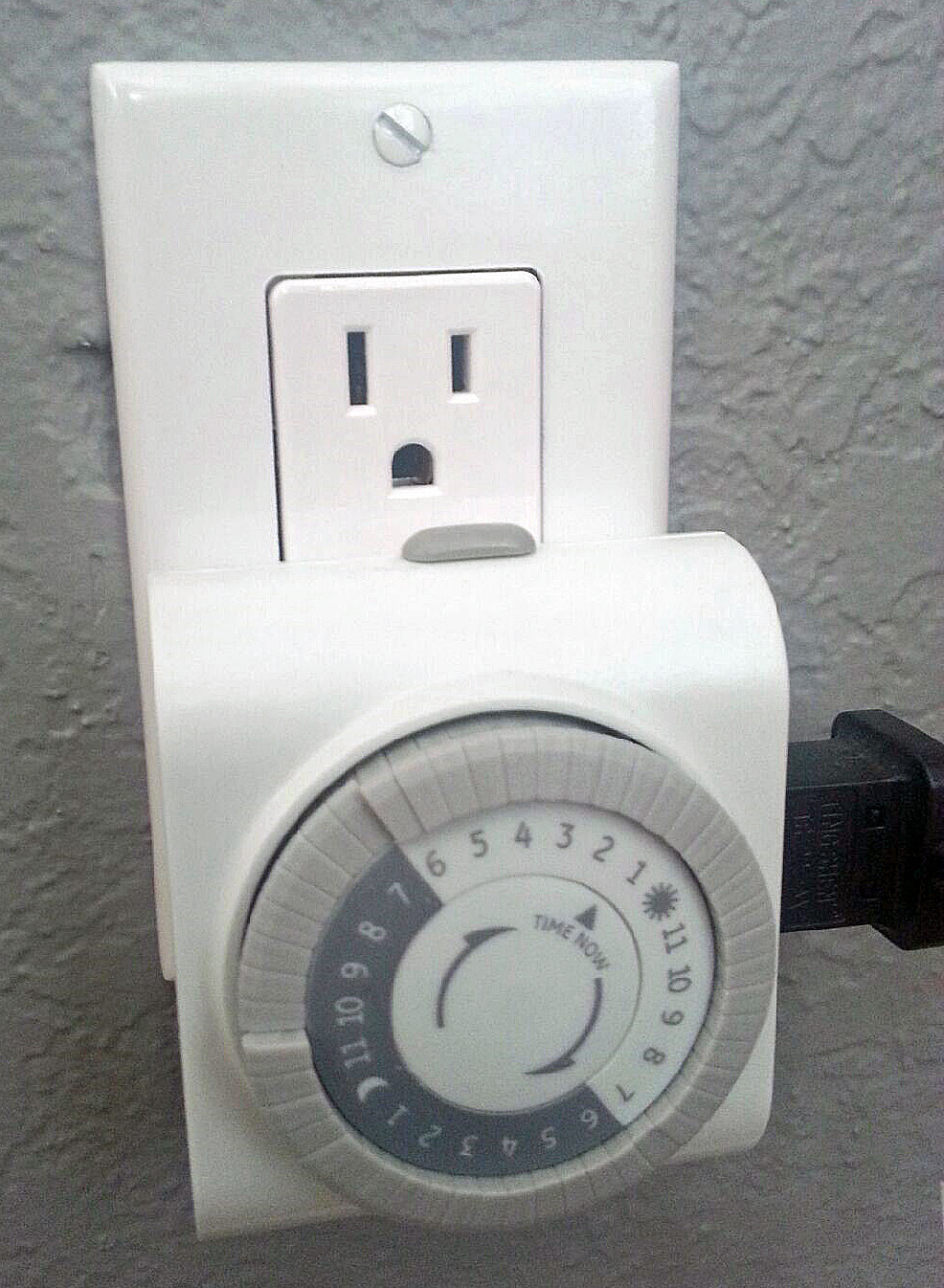
Another simple piece of technology is an outlet timer. These small devices can turn on and off lights throughout your house throughout the night making it appear that someone is home. At about $9.00 each, a very inexpensive security option. You can set them up in different rooms to make it look like you’re moving around the house. To keep it efficient, use LED bulbs in your lamps you intend to leave running throughout the night.

There are many other things you should do while heading off for vacation. Following these simple tips can help you avoid a costly insurance burglary and losing items that simply can’t be replaced. If you have questions about your home or renters insurance, call the insurance agents at Carr’s Insurance Agency in Waipahu. They have years of insurance experience and can help you insure everything from your home to your auto or motorcycle. They live where you do and are an independent insurance agent, so they can help you find the right company to fit your needs. You can also check out their website, 24/7.

4 Common Places to Check for Water Damage BEFORE it Happens

4 Common Places to Check for Water Damage BEFORE it Happens

How To Prevent Water Damage in Waipahu, HISooner or later, a water source in your home will fail. Water damage is one of the most common home insurance claims and the average cost of these claims in 2014 was over $9,000.  Water damage can be avoided but knowing what signs to look for is important. Common places to check are:

  1. Water Valves: Look for leaks or areas where it appears a leak has occurred in the past on your valves. Valves come out of the wall and connect your faucets, toilets and washing machines. Common signs of failure of these valves could be efflorescence on the pipe or fitting. It may appear white, green or yellow. This is a mineral buildup from water that is deposited when the water dries. If you suspect a valve is failing or connection is becoming corroded, have a plumber change these out. This can also be an easy do-it-yourself project if the valve is the screw on type, not connected to the pipe with solder. Additionally, the cost of this repair is under $5.00.
  2. Drain Failure: From time to time, it would be recommended to stick your head in your crawl space. Crawl spaces will show exposed drain pipes as well as your other ducting and water pipes. Drain pipes are typically large black pipes up to 4” in diameter and will have no insulation on them. An easy way to scan for leaks is to look at your vapor barrier. Vapor barriers stop moisture from coming up into your home, so if your drain pipes are leaking, the water would be deposited on top of the vapor barrier and leave a stain as it dries. Correcting a failed drain could be a simple as resealing.
  3. Broken Pipe: Broken pipes are most commonly caused from pipes being exposed to freezing temperatures. Pipes inside of walls can freeze if a home’s heat source fails in cold weather, a house is left vacant or if unusually cold weather gets to an under insulated home. Protecting your home from frozen pipes usually means keeping the heat on and insulating exposed water pipes. If you plan to leave your home vacant for some time, it would be wise to turn off your water in case a pipe does burst, water will not fill your home while you’re away.
  4. Washing Machine Hoses: Washing machines require a large hose to fill them. These hoses hold an incredible amount of pressure so regularly checking them is important. You’ll want to check for bulges, cracks or other signs of wear. One of the best ways to help avoid a claim is to purchase the braided stainless steel water supply hoses. While more expensive, they have a longer life and can save you from a costly claim. Your dishwasher uses a similar hose, so consider replacing that one as well. Most dishwashers are held into place with just 2 screws and can be easily removed.

Following these safety tips can help you avoid a very costly water claim in your home not to mention, the loss of personal property and the loss of being able to stay in your home! Many homeowners are forced out while the repairs in the home can take place.

If you have questions about your home, auto or renters insurance, call the insurance agents at Carr’s Insurance Agency in Waipahu. They have years of insurance experience and can help you insure everything from your home to your auto or motorcycle. They live where you do and are an independent insurance agent, so they can help you find the right company to fit your needs. You can also check out their website, 24/7.

Proper Use of Space Heaters in Waipahu, HI Can Eliminate a Homeowners Insurance Claim

Prevent a Costly Fire in your Home by Following Proper Space Heater Safety

Space Heater Safety in Waipahu, HISpace heaters are undeniably a convenient and efficient way to heat some spaces including garages, bedrooms and workspaces like shops or offices areas. But, an often overlooked fact with space heaters is the dangers that they may catch nearby items on fire.

The U.S. Consumer Product Safety Commission reports that the number of residential fires caused each year by portable space heaters exceeds 25,000 annually. Furthermore, an estimated 300 people are killed annually by fires caused from space heaters being used improperly. In addition to fires being started, thousands of people each year receive hospital treatment to treat burns caused by improper use or handling of space heaters.

When using a space heater, regardless of type, it is important to follow the manufacturer’s safety and operational instructions.

Some things to consider when purchasing a space heater are:

  • Will you need to vent the space (propane heaters or kerosene heaters)
  • Does the unit you’re purchasing carry the “Underwriter’s Laboratory (UL) label?
    • The UL is a global independent safety science company with more than a century of innovating safety solutions from the public adoption of electricity.
  • Does the unit have a built in thermostat to control the temperature?
  • Does the unit have a safety feature that will disable it if it tips over?
  • Will your unit be able to be placed away from flammable material and away from children and pets?
  • Never leave your space heater unattended or running over night.

The proper use of a space heater can provide you with a great solution to heating a space and being energy efficient in your home. Be sure to properly use the space heater and avoid leaving it unattended or in an area where children might play.

If you have questions about your home, auto or renters insurance, call the insurance agents at Carr’s Insurance Agency in Waipahu. They have years of insurance experience and can help you insure everything from your home to your auto or motorcycle. They live where you do and are an independent insurance agent, so they can help you find the right company to fit your needs. You can also check out their website, 24/7.


Keep your Friends and Family Safe from Carbon Monoxide Poisoning in Waipahu, HI

Keeping your Home in Waipahu, HI Safe from Carbon Monoxide PoisoningCarbon Monoxide Hawaii

Our homes should be places of comfort, relaxation and memories. That’s why it is important to protect your homes from dangers such as fires, theft and one people too often overlook: carbon monoxide (CO).

Carbon monoxide is an odorless, colorless gas that is produced when fuels such as wood, oil, natural gas and propane are not efficiently burned. Carbon monoxide can be produced by your household equipment such as generators, lawn mowers, barbeques and your furnace.

The Consumer Product Safety Commission reported that each year, 170 people in the United States are killed by carbon monoxide poisoning in their homes. These deaths can be caused when equipment malfunctions or when the products are used in areas that are not properly ventilated, such as a closed room.

The Center for Disease Control lists the common symptoms of carbon monoxide poisoning as headache, dizziness, vomiting, chest pain and confusion.

The good news about all this is that protecting your family from CO poisoning is relatively simple.

Follow these tips for Carbon Monoxide poisoning prevention:

  • Always have your home’s gas burning furnace, water heater and fireplace serviced by a professional. A professional will ensure the appliance is burning properly and is properly vented.
  • Install carbon monoxide detectors on every floor of your home (newly constructed homes, apartments and condominiums will likely already have these installed). For an extra level of protection, consider installing a CO alarm in every bedroom of your house.
  • Never leave a car idling in a garage
  • Keep portable generators at least 20feet from an open window
  • Never use a charcoal barbeque inside a home, tent or camper
  • Never use a gas oven to heat a home

Even a single carbon monoxide detector in your home could save lives. If you rent a home or apartment that does not currently have a carbon monoxide detector, ask your landlord to provide one. Many states require that homes have them installed. Review your state laws here.

If you have questions about your home, auto or renters insurance, call the insurance agents at Carr’s Insurance Agency in Waipahu. They have years of insurance experience and can help you insure everything from your home to your auto or motorcycle. They live where you do and are an independent insurance agent, so they can help you find the right company to fit your needs. You can also check out their website, 24/7.

Learn How to Keep and Maintain a Fire Extinguisher in Waipahu, HI

How to Keep and Maintain a Fire Extinguisher in your HomeFire Extinguisher Safety Hawaii

Your home is much more than the place that you live or where you sleep. It is where you create memories, raise a family and have family and friends over to visit. Keeping everyone safe while they’re there should be a first priority. But, when was the last time you looked at your fire extinguisher to ensure it would perform if a fire broke out in your home?

A fire extinguisher is arguably one of the most important pieces of safety equipment in your home or apartment (second only to a smoke detector) and should be kept up at regular intervals. Just because you have a fire extinguisher in the home doesn’t mean that it will function in case of emergency. With these tips, however, you’ll be better set in case of emergency and in the event you have to use an extinguisher to put out a fire.

1.) Inspect your extinguisher once per month.

Inspecting your fire extinguisher will ensure the canister is charged and ready to work in case of a fire. You should inspect the extinguisher for damage and check the charge meter (typically a green to red meter near the top). Try to inspect your fire extinguisher monthly to ensure it is where you left it and that the extinguisher is in good shape.

2.) Maintenance

Your fire extinguisher really doesn’t require much, but should be maintained at least one time per year. Like any pressurized system, the canister will lose pressure over time. Ensure that it is “charged” and if required, get it recharged or replace the extinguisher.

Other items that should be considered are:

  • Is your extinguisher accessible? Are there items in front of your extinguisher that would cost you time or block your access to it in case of emergency?
  • Is the needle pointing to green on your extinguisher’s gauge?
  • Is the nozzle in good shape (perhaps it was dropped and damaged). If not, replace the extinguisher.
  • Is the pin intact and appear to be in good shape?
  • Is the canister itself in good shape and free of dents, rust or obvious signs of leaks?

Keeping your fire extinguishers in your home in good working order is just one of the important steps to keeping your home and house guests safe. It is also a way to avoid a costly and emotional homeowner’s insurance claim. If you have questions about your home, auto or renters insurance, call the insurance agents at Carr’s Insurance Agency in Waipahu. They have years of insurance experience and can help you insure everything from your home to your auto or motorcycle. They live where you do and are an independent insurance agent, so they can help you find the right company to fit your needs. You can also check out their website, 24/7.


Keep your Home in Honolulu, HI Safe this Winter by Following Proper Fireplace Safety

Protecting your Home and Guests from Fireplace Dangers in Honolulu, HIFireplace Safety Hawaii

A fireplace is one of a home’s greatest features and can bring an ambiance and warmth to a space to create that perfect night in on a cold evening. As important as they are for creating the perfect mood, it is equally important to ensure that you properly maintain your fireplace.

Fireplace Safety and Maintenance

Wood Burning Fireplaces

  • Ensure your flue is open and clear from obstructions. It is important to take a peek up your chimney (before lighting your fire of course) to be certain the chimney is not blocked. Often time birds or other animals will make shelter in your chimney in the off-season, so be sure to check if you haven’t used your fireplace in some time.
  • Keep glass doors open. If you have a normal, wood burning fireplace, keep the screens closed, but the glass doors open. The doors are usually designed to keep a room insulated when not in use, not to keep the fire in. A chimney requires air to be pulled through and up the chimney, so keeping the doors open allows this air to flow properly while your screen keeps debris and sparks from flying out onto your carpet or other flooring.
  • Install a chimney cap. Chimney caps keep rain from damaging your chimney and keeps birds and other critters out. You should also put a screen across the chimney to prevent sparks from flying out and onto roofs or lawns potentially causing a fire.
  • If you have burned 70-100 fires call a chimney sweep to come and inspect your chimney. They’ll clean out any build-up and do a visual inspection to ensure your chimney is healthy and structurally sound.

Gas Burning Fireplaces         

  • Install an oxygen-depletion sensor, commonly known as a “safety pilot.” These safety pilots will turn off the gas if they detect the fireplace isn’t functioning properly or if too much carbon monoxide builds up.
  • Install carbon monoxide detectors near the fireplace and every floor of your home. A couple per floor would be ideal.
  • Maintain proper distance from the fireplace. Keeping objects away from the fireplace is the best way to avoid a fire or smoke damage. Keep curtains and other fabrics at least 3 feet away from the outside edge of the fireplace.
  • Contact your gas company or call 911 immediately if you smell gas in your home.
  • Clamp your fireplace damper open to prevent carbon monoxide from entering your home.

With all fireplaces it is important to keep your children and pets away. Burning fireplaces in a home can deplete the home of oxygen and replace it with carbon monoxide. Keep your carbon monoxide alarms in working order to ensure your family stays safe.

Keeping your fireplaces in your home in good working order is just one of the important steps to keeping your home and house guests safe. It is also a great way to avoid a costly and emotional homeowner’s insurance claim.

If you have questions about your home, auto or renters insurance, call the insurance agents at Carr’s Insurance Agency in Waipahu. They have years of insurance experience and can help you insure everything from your home to your auto or motorcycle. They live where you do and are an independent insurance agent, so they can help you find the right company to fit your needs. You can also check out their website, 24/7.

How to Avoid Decor Disasters – Holiday Edition

There is no escaping it now, the holidays are upon us. No matter how you celebrate, you have likely added some holiday décor to your home. Lights, candles and festive plants add a wonderful, warm ambiance to areas of your home but take some extra steps to ensure that your décor pieces don’t wreak havoc on your holiday.

Avoiding Decor Disasters in Hawaii:

  • Holiday trees: Holiday trees, or bushes, are a common theme in many homes around our state. They may be opulent or simple, real or fake, faux snowed or natural. Each holiday tree requires a level of care to make sure that it does not turn into a fire hazard. If your tree is real, do not forget to water it! Trees will naturally lose moisture over the course of their holiday run. Household pets may steal water from under the tree and running the heater or fireplace may dry it out as well. A dry holiday tree can become a fire hazard if left unattended. According to the National Fire Protection Association, “Between 2007-2011, U.S. fire departments responded to an average of 230 home fires that started with Christmas trees, per year.” If your tree is dry, make sure to water it regularly and turn off holiday lights. It is also a best practice to not place a holiday tree near a fireplace or heater.
  • Lights: Holiday lights are used inside and outside of homes to brighten up the night. When placing your lights, make sure to place the correct type for the environment you are in. Inside lights for inside your home, outdoor lights for outside of your home or indoor/outdoor lights for either. If your lights have lived in storage since the last holiday, make sure to check that they are in proper working order free of wire frays or cuts. Frays or cuts in the wires could result in a fire under the right conditions.
  • Plants: Holiday plants are all over the stores. Mistletoe and holly, wreathes and poinsettias are often incorporated into a holiday décor scheme. There is a caveat: mistletoe, holly and poinsettias are all poisonous to both pets and people. If you plan on making any of these plants apart of your holiday decorations, make sure that they are up and out of the way, free from little hands and pet nibbles. If a child or adult happens to ingest any of these plants, a call to Poison Control (800-222-1222) is a must. If it is your pet, call your vet or local emergency vet immediately.

By taking a few extra steps like unplugging your holiday lights before you go to bed or when you leave the house, can help you avoid a décor disaster this holiday season. Before the holiday décor goes up, make sure to talk to your local, independent insurance agents in Honolulu, HI about your homeowner’s insurance. Carr’s Insurance Agency can assist you with any questions you may have, like “Does my homeowner’ insurance cover accidental fires?” Their expert agents can walk you through your policy and even add additional coverage like personal umbrella insurance should you want extra protection beyond your homeowner’s insurance. Be sure to check out their insurance website 24/7 for the other insurance products they sell and for more holiday tips visit the U.S. Consumer Product Safety Commission tip sheet.

Fall Dangers: Be Alert!

Fall is one of our favorite seasons! The leaves, the cooler, shorter days and of course, pumpkin spice everything. There are some seasonal dangers associated with fall that can be quite hazardous if one is not prepared. Knowing what these dangers are and how to anticipate them can mean the difference between a lovely, relaxing fall and having to file a potentially costly insurance claim.

Seasonal Fall Dangers in Hawaii:

  • The Road: A drive to see the fall colors can be relaxing and enjoyable for all. You should be aware of changing weather conditions. Fall brings rain, wind and fog. Standing water on the roadways can create a slick, ice-like surface making it difficult to control the vehicle or hydroplane. If you happen to be in an area where leaves are falling, the leaves have a similar ice-like effect on the car. Another potential danger while in the car is fog. Fog can seemingly roll in from nowhere and impede your ability to see road hazards like traffic, debris, etc. For all these dangers, the best course of action is attentive driving. Reduce your speed, increase your following distance and stay alert to changing conditions.
  • The Wind: The winds returns, sometimes with a vengeance, during the fall. The wind can blow cars around the road and debris into the road, so during an episode of high winds, be alert to debris that may be entering the roadways. Trees and tree branches can also be a hazard. Trees that are diseased or branches that are low-hanging can become dislodged and cause massive amounts of damage to homes, garages and cars. The best way to try and stave off falling trees and branches is to trim all low-hanging branches that reside over dwellings. If your neighbors have tree branches that sit over your dwellings, work with them to get the branches removed. Also, if you suspect your trees to be diseased, have them inspected and removed.
  • The Water: A gentle fall rain can be soothing, but let’s be honest the rain in the fall tends to be more torrential. Fast moving storms can overwhelm storm drains (that could already be blocked with leaves or other debris) and the oversaturated ground cannot absorb the water resulting in large amounts of standing water or a flash flood. Remember that a standard homeowner’s insurance policy does not cover outside water entering your home due to rain or flood. If you live in an area that is prone to flooding, having sandbags on hand in case of a storm could be the difference between just mopping off your front porch and filing a flood insurance claim.

With a little preparation, you may be able to avoid an unpleasant situation and a costly insurance claim. The insurance experts at Carr’s Insurance Agency in Honolulu, Hawaii can assist you with setting up policies like auto insurance, home insurance and flood insurance. If you have questions about your current insurance policies or about the potential fall dangers in the Honolulu area, give your Carr’s Insurance Agency agent a call. You can also visit their insurance website 24/7!