
Hawaii Business Auto Insurance Essentials
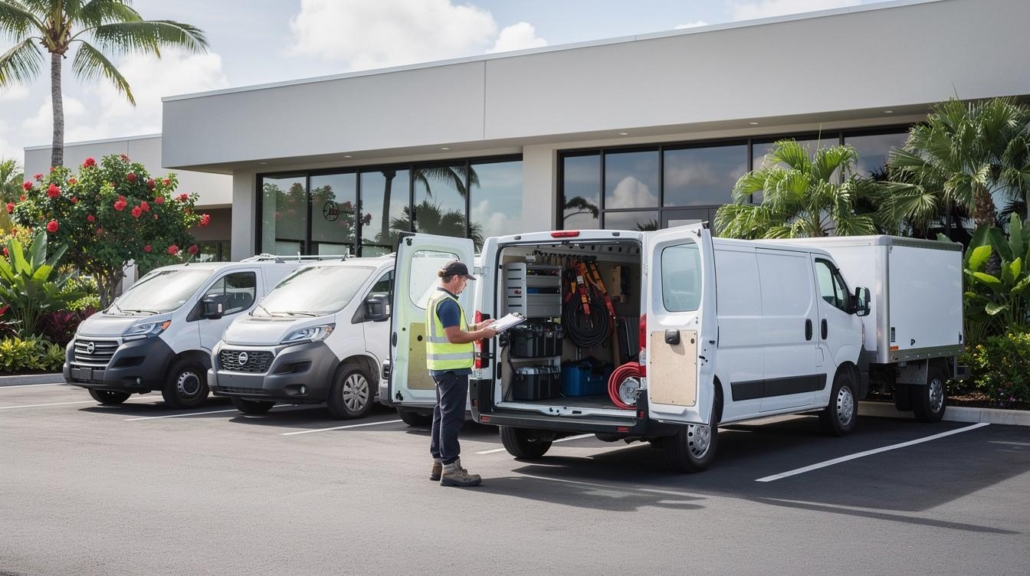
Running a business in Hawaii means protecting your vehicles from real risks. Your company’s fleet faces unique challenges, from coastal weather to heavy traffic on island roads.
We at Carr’s Insurance Agency know that Hawaii business auto insurance isn’t one-size-fits-all. This guide walks you through what coverage actually matters, mistakes to avoid, and how to pick the right policy for your operation.
What Your Hawaii Business Auto Insurance Actually Covers
Liability Coverage: Your First Line of Defense
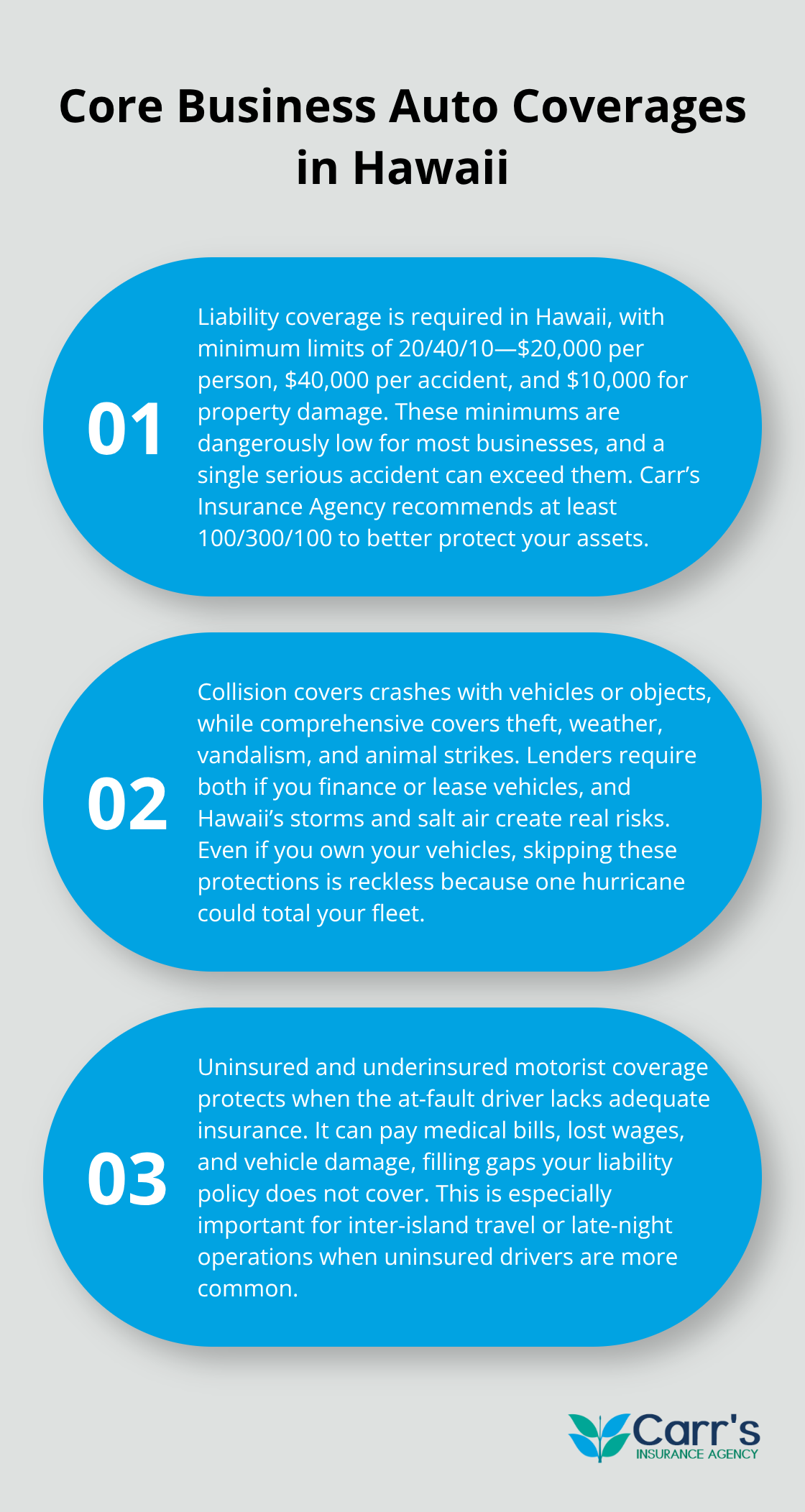
Liability coverage protects your business when your vehicle damages someone else’s property or injures another person. Hawaii requires minimum liability limits of 20/40/10, meaning $20,000 for bodily injury per person, $40,000 per accident, and $10,000 for property damage. These minimums are dangerously low for most businesses. If your delivery van hits a parked car worth $35,000, you face personal liability for the $25,000 difference. A single accident involving injuries could bankrupt a small operation. We at Carr’s Insurance Agency recommend Hawaii business owners carry at least 100/300/100 limits, which protects your assets far better and costs only slightly more than state minimums.
Collision and Comprehensive: Protecting Your Fleet
Collision and comprehensive coverage handles damage to your own vehicles. Collision pays for accidents with other vehicles or objects, while comprehensive covers theft, weather, vandalism, and animal strikes. Hawaii’s tropical storms and salt air create real risks. If you finance or lease vehicles, lenders require both coverages. Even if you own vehicles outright, skipping these protections is reckless. One hurricane could total your entire fleet.
Uninsured and Underinsured Motorist Coverage: Closing the Gap
Uninsured and underinsured motorist coverage protects your drivers when they’re hit by someone without adequate insurance. This coverage pays your medical bills, lost wages, and vehicle damage when the other driver can’t. Many Hawaii business owners assume their liability policy covers this-it doesn’t. Your drivers need this protection, especially those traveling between islands or working late nights when uninsured drivers are more common.
Understanding what your policy covers is only half the battle. Most Hawaii business owners make critical mistakes that leave their operations exposed to unnecessary risk.
Common Mistakes Hawaii Business Owners Make with Auto Insurance
Underestimating Coverage Limits
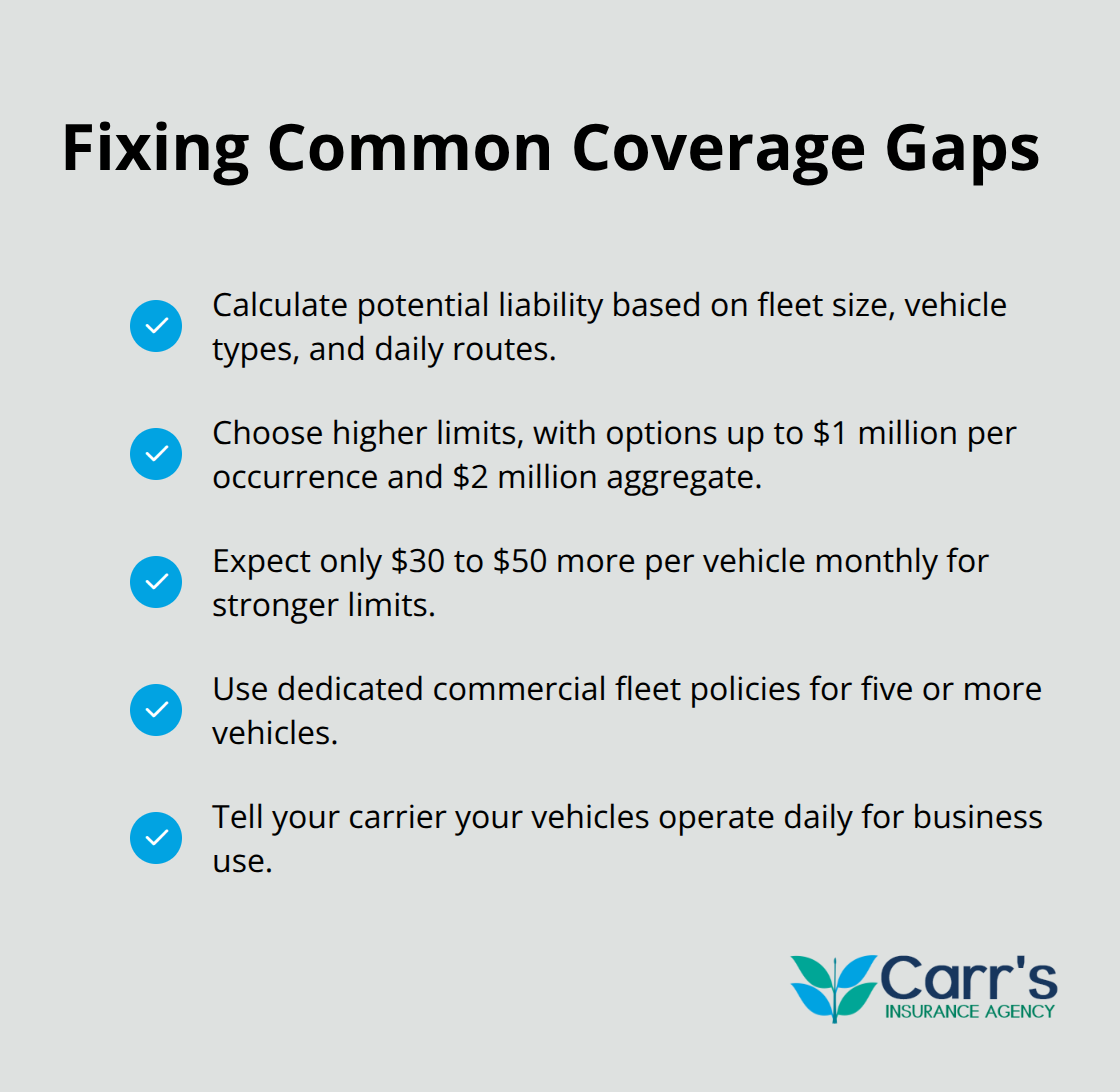
Most Hawaii business owners set their coverage limits based on what sounds reasonable rather than what actually protects their assets. A delivery company with five vehicles and $500,000 in annual revenue carrying only state-minimum liability coverage faces catastrophic exposure. One accident where your driver injures someone seriously could result in a judgment far exceeding your policy limit, leaving your business responsible for the difference. Most business owners discover this gap only after a claim happens.
The fix is straightforward: calculate your potential liability exposure by considering your fleet size, vehicle types, and daily routes. A contractor operating heavy equipment near residential areas faces different risks than a service business making local deliveries. Policies typically offer coverage limits up to $1 million per occurrence and $2 million aggregate. The premium difference between standard limits and higher limits typically runs only $30 to $50 monthly per vehicle-a small price for real protection.
Ignoring Fleet-Specific Policies
Many business owners purchase standard personal auto insurance for company vehicles, which either won’t cover business use or leaves gaps in coverage. Commercial policies account for higher mileage, multiple drivers, and business-related accidents that personal policies exclude. If your driver causes an accident while making a business delivery and you’re carrying personal insurance, your claim gets denied, and you pay out of pocket.
Hawaii businesses with five or more vehicles need dedicated commercial fleet policies, not individual personal policies stacked together. Personal policies simply weren’t designed for the demands of business operations. Your commercial carrier needs to know that your vehicles operate daily for business purposes, not just occasional personal use.
Failing to Update Coverage After Business Changes
Coverage changes need to happen when your business changes. If you added three new service vehicles last year and didn’t update your policy, your fleet size on paper doesn’t match reality. If you transitioned from local deliveries to inter-island transport, your coverage requirements shifted because your drivers face different road conditions and longer exposure times.
Business changes like hiring more drivers, expanding service areas, or adding specialized equipment trigger policy reviews that most owners skip. The result is outdated coverage that doesn’t match current operations, leaving you underprotected exactly when you think you’re fully covered. Your policy should reflect what your business actually does today, not what it did last year.
Selecting the right business auto insurance requires more than just comparing prices-it demands understanding your specific operational needs and matching them to appropriate coverage.
How to Choose the Right Business Auto Insurance for Your Hawaii Company
Assess Your Fleet Size and Vehicle Types
Start by calculating what your business actually needs rather than guessing. Most Hawaii business owners underestimate their exposure because they think about best-case scenarios instead of worst-case ones. A single accident where your driver injures multiple people or damages expensive property can exceed $500,000 in liability claims within minutes.
Your fleet size determines your total exposure across all vehicles. A contractor running eight heavy trucks faces far different risk than a service company with three sedans. Document your current fleet, including vehicle types, weights, and how many drivers operate them. Then identify where your vehicles travel most frequently. Routes through congested Honolulu neighborhoods carry different risks than rural island roads.
Next, calculate your business assets that could be at risk if a major claim occurs. If your business has $1.2 million in equipment and real estate, your insurance limits should protect that asset base, not just cover the minimum legal requirement.
Compare Quotes from Multiple Carriers
Try quotes from at least three different carriers because rates for Hawaii commercial auto insurance vary dramatically based on underwriting approach. One carrier might charge $180 monthly per vehicle while another quotes $240 for identical coverage, and a third quotes $165. These differences matter significantly across a five-vehicle fleet.
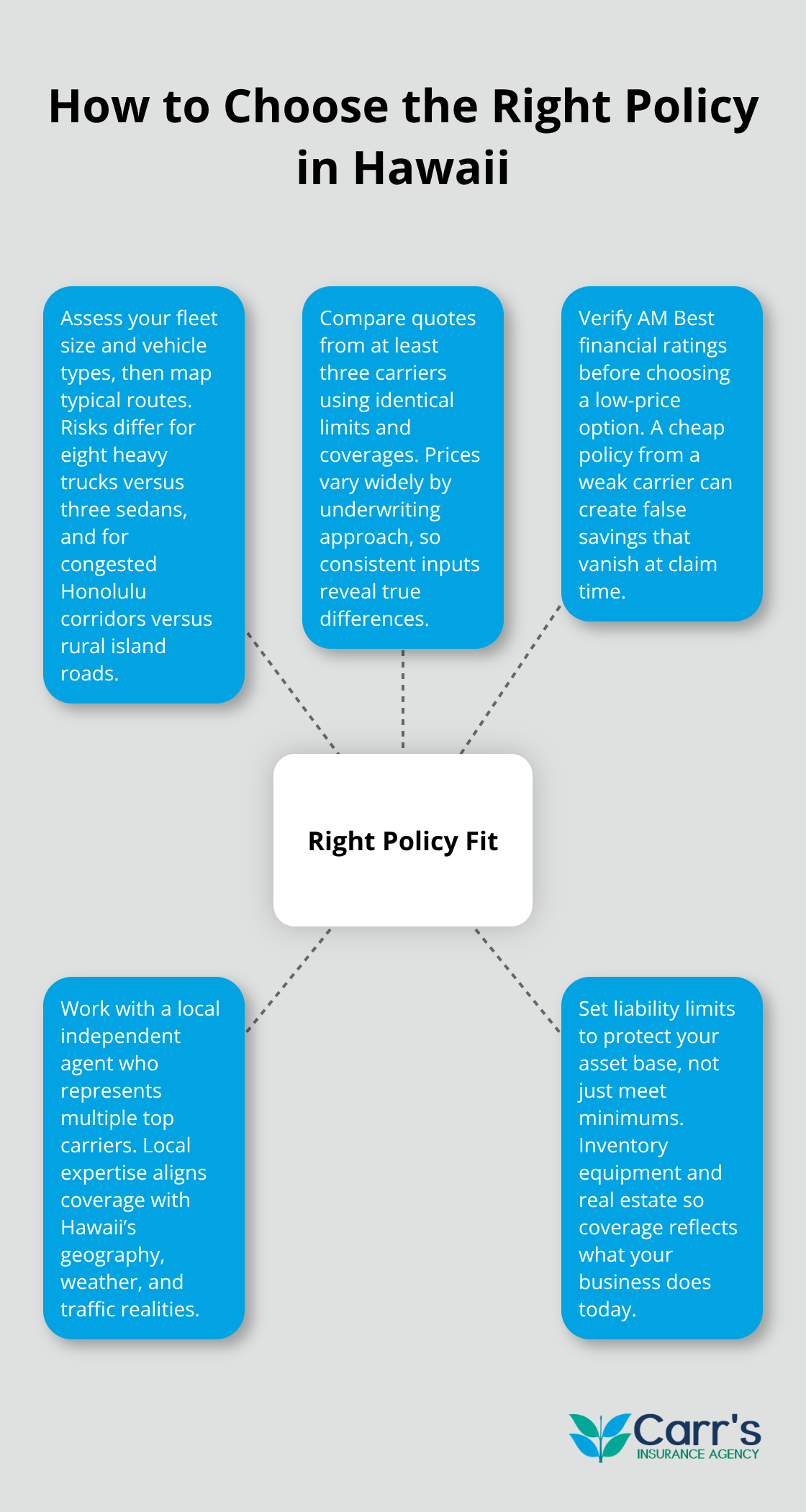
Request quotes for the same coverage limits across all carriers so you can make accurate comparisons. Most carriers offer online quote tools, but Hawaii-specific commercial policies often require talking directly with an agent because of our unique operational environment. When comparing quotes, look beyond price at the carrier’s financial ratings through AM Best, which measures whether an insurance company can actually pay claims. An extremely cheap quote from a carrier with a low financial rating creates false savings that disappear when you file a claim and discover the company can’t pay it.
Work with a Local Agent Who Understands Hawaii Requirements
A local agent who knows Hawaii’s specific insurance landscape saves you money and protects your business better than online quote tools alone. Local agents understand how island geography, weather patterns, and traffic conditions affect your rates and coverage needs. They also know which carriers perform best for Hawaii operations and which ones create problems during claims.
An independent agent representing multiple top carriers shows you side-by-side quotes and explains why premiums differ rather than just offering you one company’s option. This approach takes more time upfront but delivers better results because you see real alternatives instead of accepting whatever one carrier offers. We at Carr’s Insurance Agency, a locally owned independent agency serving Hawaii since 1990, represent top carriers and provide licensed, locally knowledgeable agents who compare rates to help you find the right coverage at the best price.
Final Thoughts
Hawaii business auto insurance protects your operation from financial disaster, but only when your coverage matches your actual business needs. The mistakes we covered-underestimating limits, ignoring fleet policies, and skipping coverage updates-cost business owners thousands in unexpected expenses every year. Your liability exposure, fleet size, and operational area determine what protection you genuinely need, not what sounds adequate.
A local Hawaii insurance agency gives you advantages that online quote tools simply cannot match. A local agent understands how island geography, weather patterns, and traffic conditions affect your rates and coverage requirements, and they know which carriers perform reliably when Hawaii businesses file claims. An independent agent representing multiple top carriers shows you real alternatives instead of locking you into one company’s limited options.
Contact Carr’s Insurance Agency to discuss your specific needs with an agent who knows Hawaii’s insurance landscape. A brief conversation now prevents expensive surprises later when accidents happen and you discover your coverage falls short.
Disclaimer: The information provided in this blog is for general informational purposes only and does not constitute legal, financial, or insurance advice. Coverage options, terms, and availability may vary. Please consult with a licensed professional for advice specific to your situation






