

Trucking Insurance Hawaii: A Local Perspective
Running a trucking operation in Hawaii comes with challenges you won’t find on the mainland. The islands’ remote location, unpredictable weather, and complex logistics create insurance needs that standard policies simply don’t cover.
At Carr’s Insurance Agency, we work with trucking companies across Hawaii every day. We know the specific risks your fleet faces and how to protect your business properly.
What Makes Hawaii Trucking Insurance Fundamentally Different
Island trucking operations face cost structures that mainland carriers simply don’t encounter. Shipping goods between islands requires ocean transport, which adds layers of risk and expense that standard commercial auto policies don’t address. A truck moving cargo from Honolulu to Hilo faces different hazards than one traveling across Nevada. The distance, the water crossing, and the limited alternative routes mean that when something goes wrong, the financial impact hits harder. Owner operator insurance rates range from $3,000 to $25,000+ per year in 2026, reflecting the elevated risk profile that Hawaii operations demand. Your fleet operates in an environment where equipment replacement costs more, repair delays stretch longer, and supply chain disruptions carry steeper consequences.
Geography Creates Real Operational Constraints
Hawaii’s island layout prevents you from simply rerouting around problems. Kauai, Maui, and the Big Island each have limited road networks, and weather can shut down critical passages for days. Winter swells regularly affect inter-island barge schedules, creating inventory backups that mainland operators never experience. A single tropical storm can strand cargo and disable vehicles in ways that trigger coverage gaps in standard policies. Cargo insurance becomes non-negotiable because ocean transport introduces salt spray, humidity, and rough seas that damage goods differently than road transport. Island-based fleets file cargo damage claims at nearly double the rate of mainland operations, which is why carriers price premiums accordingly and why selecting the right coverage matters enormously.
Ocean Transport Introduces Distinct Cargo Risks
Inter-island and mainland shipments expose your cargo to hazards that road-only operations avoid entirely. Salt spray corrodes equipment and damages sensitive goods during barge crossings. Humidity levels on ocean vessels far exceed what trucks experience on highways, creating conditions that ruin electronics, textiles, and perishables. Rough seas cause cargo to shift and containers to sustain impact damage that standard inland cargo policies often exclude. Your cargo insurance must specifically address marine transport conditions, not just terrestrial logistics. Without proper coverage, a single inter-island shipment loss can wipe out weeks of profit.
Limited Market Competition Affects Your Options
Only a handful of insurance carriers actively compete for Hawaii trucking business, which means fewer options for finding competitive rates. Major national insurers either avoid the Hawaii market entirely or charge premiums that reflect their reluctance to underwrite island operations. This limited competition means you need someone who knows which carriers still actively write trucking policies in Hawaii and which ones have quietly exited the market. The carriers that remain understand Hawaii’s unique exposures, but they’re selective about which fleets they insure. Working with a local agent who maintains relationships with these carriers and understands their underwriting preferences becomes your practical advantage for securing coverage that actually fits your operation.
Why Local Knowledge Matters for Coverage Selection
Carriers that write Hawaii trucking policies apply different underwriting standards than they use for mainland fleets. They evaluate your claims history, equipment age, and operational routes through a Hawaii-specific lens. An agent unfamiliar with these local underwriting preferences may submit applications to carriers that have already tightened their Hawaii appetite, wasting time and potentially triggering declinations that hurt your future applications. Local agents know which carriers prioritize inter-island operations, which ones focus on Honolulu-based fleets, and which ones have recently adjusted their rates or coverage terms. This knowledge directly impacts whether you secure coverage at all and what you pay for it.
What Coverage Does Your Hawaii Trucking Fleet Actually Need
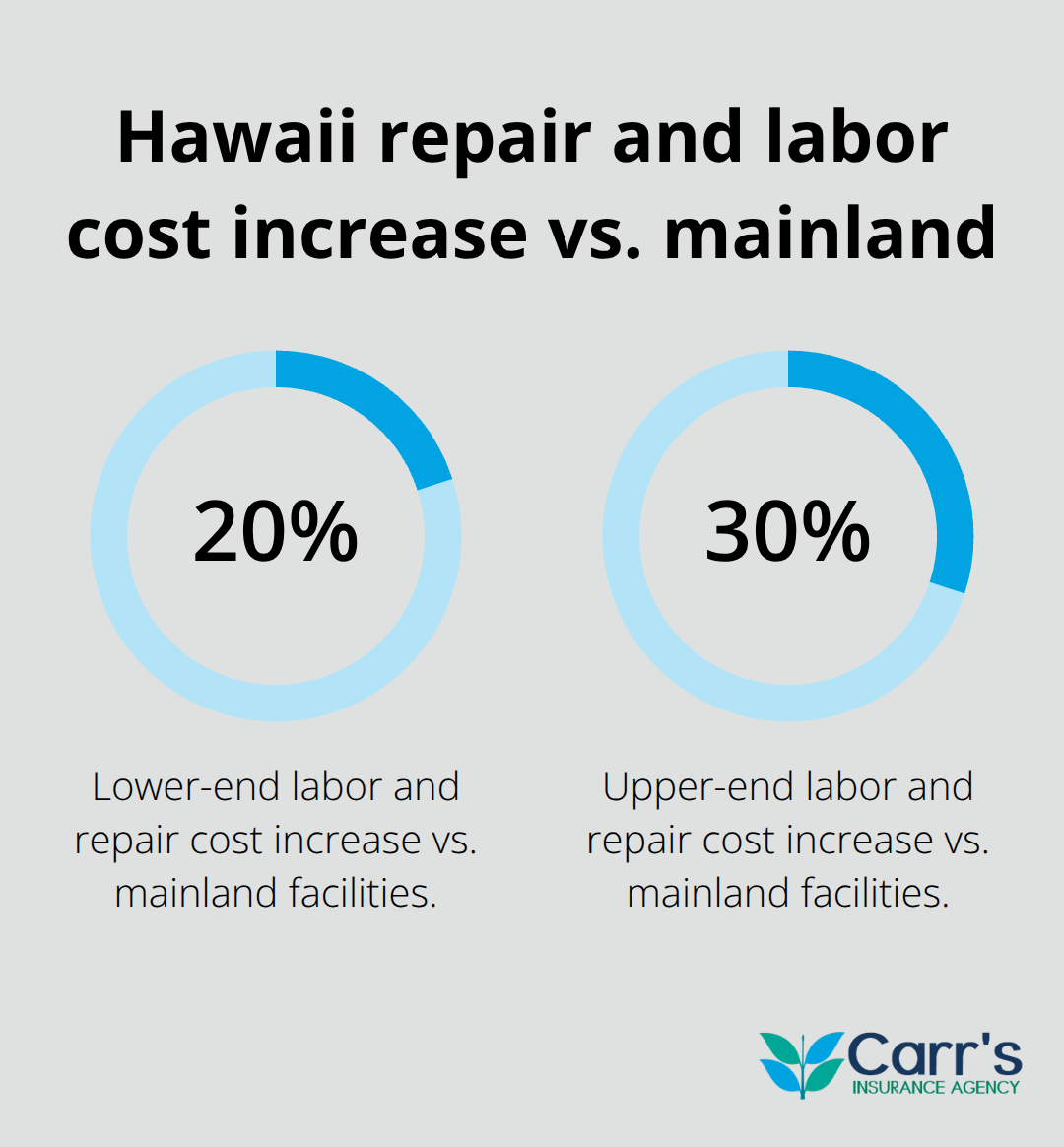
Commercial auto liability forms the foundation of any Hawaii trucking operation, but standard mainland policies miss critical exposures you face daily. Your liability limits need to reflect both the higher replacement costs on the islands and the severity of potential claims when cargo or vehicles sustain damage during inter-island transport. Hawaii courts award damages at rates that exceed mainland averages, with jury verdicts in commercial vehicle cases frequently exceeding $500,000 when injuries occur. You need minimum liability coverage of at least $1 million per occurrence, though $2 million is standard for fleets running regular inter-island routes. Physical damage coverage for your vehicles costs more in Hawaii because repair shops charge premium rates due to parts scarcity and labor costs that run 20-30% higher than mainland facilities. If your fleet operates older equipment, comprehensive coverage becomes especially important since weather-related damage from salt spray, humidity, and tropical storms occurs at higher frequencies than on the mainland.
Cargo Insurance Separates Protected Operations from Exposed Ones
Inter-island and mainland shipments require specific cargo coverage that addresses marine transport conditions, not just road hazards. Standard inland cargo policies exclude or severely limit coverage for goods transported on barges and ocean vessels, which means you face uninsured losses on every inter-island shipment without proper protection. Cargo damage claims from salt spray corrosion and rough-sea impact account for a significant portion of inter-island shipping losses, yet many general cargo policies treat these as standard wear rather than insurable events. You must specify marine cargo coverage explicitly and confirm that your policy covers goods during the entire ocean leg, not just the truck portions of your journey. Perishable goods require temperature-monitoring provisions since inter-island transit times of 12-24 hours can compromise refrigerated cargo if coverage gaps exist during vessel loading and unloading. Cargo values for typical inter-island shipments range from $15,000 to $75,000 per load, making inadequate coverage a direct threat to profitability on individual shipments.
Workers Compensation and Hired Vehicle Coverage Close Critical Gaps
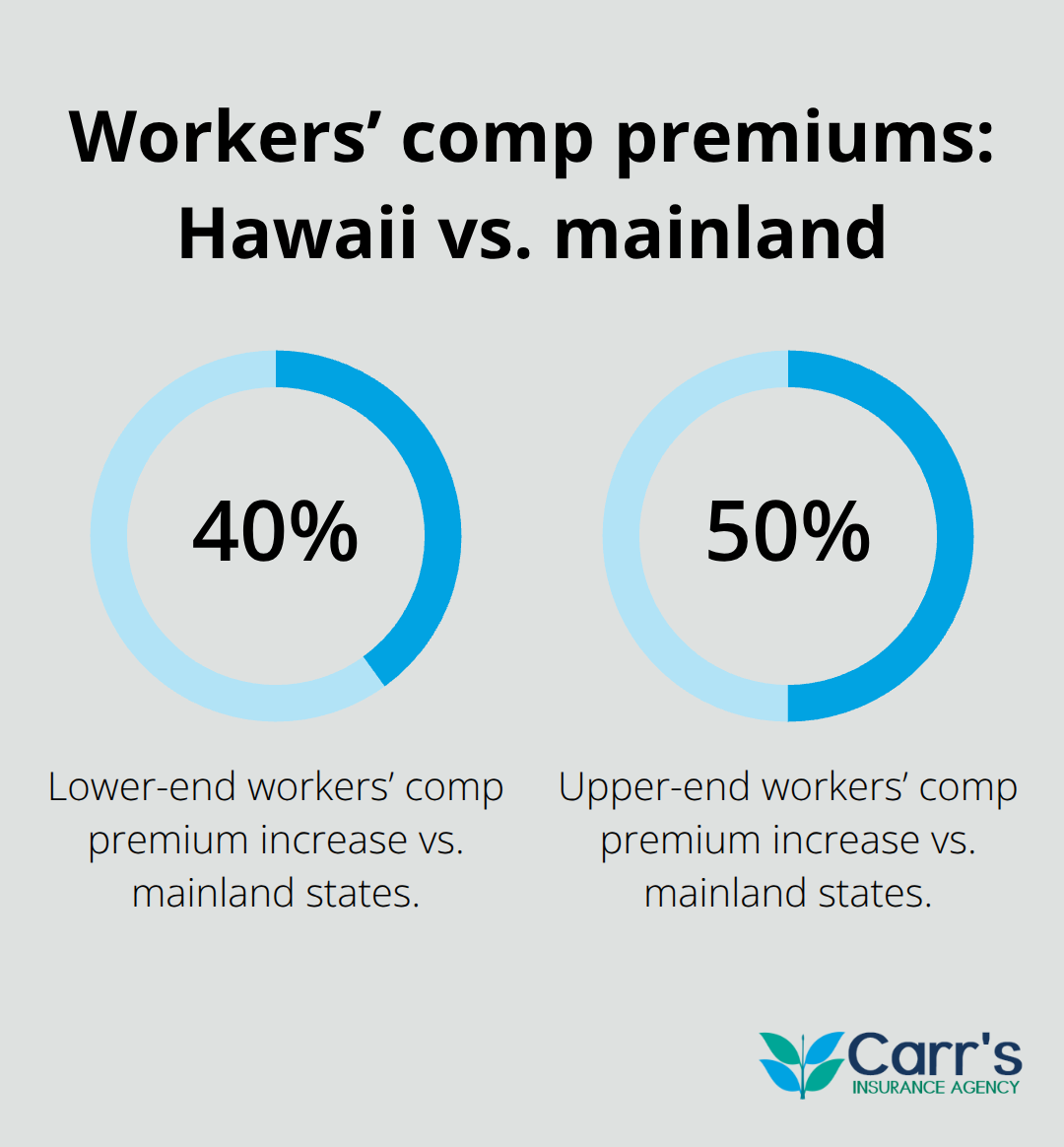
Workers compensation in Hawaii carries mandatory coverage requirements and premium rates that run 40-50% higher than mainland states due to the higher cost of living and medical expenses. Your policy must cover all employees who perform driving duties, loading, and cargo handling, with rates varying significantly based on your claims history and safety record.
Hired and non-owned auto coverage protects you when employees use personal vehicles for business purposes or when you temporarily lease additional equipment during peak shipping seasons. This coverage becomes essential during inter-island operations when you occasionally contract with local haulers or when employees transport goods in their own vehicles for company purposes. Hawaii’s limited vehicle inventory means rental trucks and hired equipment are more expensive and harder to secure, making this coverage a practical necessity rather than optional protection. Without hired auto coverage, a single accident involving a rented vehicle or employee personal vehicle can create liability exposure that your primary commercial auto policy won’t cover.
Why Coverage Gaps Cost More Than Premiums
The real expense of inadequate coverage emerges when claims occur. A cargo loss on an inter-island barge crossing that your policy excludes becomes a complete financial loss-no recovery, no reimbursement. An employee accident in a personal vehicle without hired auto coverage exposes your business to a judgment that your insurance won’t pay. These gaps transform single incidents into operational crises that affect cash flow, equipment replacement, and your ability to fulfill customer commitments. Hawaii’s insurance market requires you to think beyond minimum requirements and build coverage that actually protects your operation as it functions. The next step involves identifying which carriers understand these exposures and how to work with agents who know the Hawaii market well enough to spot coverage gaps before they cost you money.
Finding Insurance Carriers That Actually Write Hawaii Trucking Policies
The hardest part of securing Hawaii trucking insurance isn’t understanding your coverage needs-it’s identifying which carriers still actively underwrite island operations. Most national insurance companies have quietly reduced or eliminated their Hawaii trucking appetite over the past five years, which means submitting applications to the wrong carriers wastes weeks and damages your future insurability. Carriers track declinations, and multiple rejections signal to remaining underwriters that you represent elevated risk. You need an agent with current knowledge of which carriers maintain active Hawaii trucking programs, what minimum equipment standards they require, and whether they’ve recently tightened their underwriting guidelines.
Which Carriers Still Compete for Hawaii Trucking Business
The carriers writing Hawaii policies today demand specific information upfront: your fleet size, average equipment age, inter-island versus Honolulu-only operations, and your three-year loss history. Carriers weight Hawaii-specific factors differently than mainland underwriters do-a carrier might accept a 2015 truck on the mainland but require 2018 or newer for Hawaii operations due to the higher repair costs and longer downtime when breakdowns occur. One carrier might specialize in inter-island refrigerated transport while another focuses exclusively on Honolulu port operations. Knowing these distinctions separates agents who can actually place your coverage from those who submit applications that get rejected before underwriters even review them.
An independent broker representing multiple carriers holds a significant advantage in this market. These agents maintain ongoing relationships with the carriers that still compete for island trucking business and understand their current underwriting preferences. They know which carriers have recently tightened their guidelines and which ones remain actively hungry for new business. This knowledge prevents wasted applications and protects your insurability for future coverage needs.
How to Structure Quote Comparisons for Accurate Pricing
Comparing quotes requires more than collecting three premium numbers and selecting the lowest price. Request quotes structured identically across carriers-same liability limits, same deductibles, same cargo coverage-so you can evaluate actual pricing differences rather than comparing policies with different protection levels. Ask each carrier’s agent to specify what inter-island operations they cover, what cargo exclusions apply, and whether they charge additional premiums for barge transport versus truck-only routes.
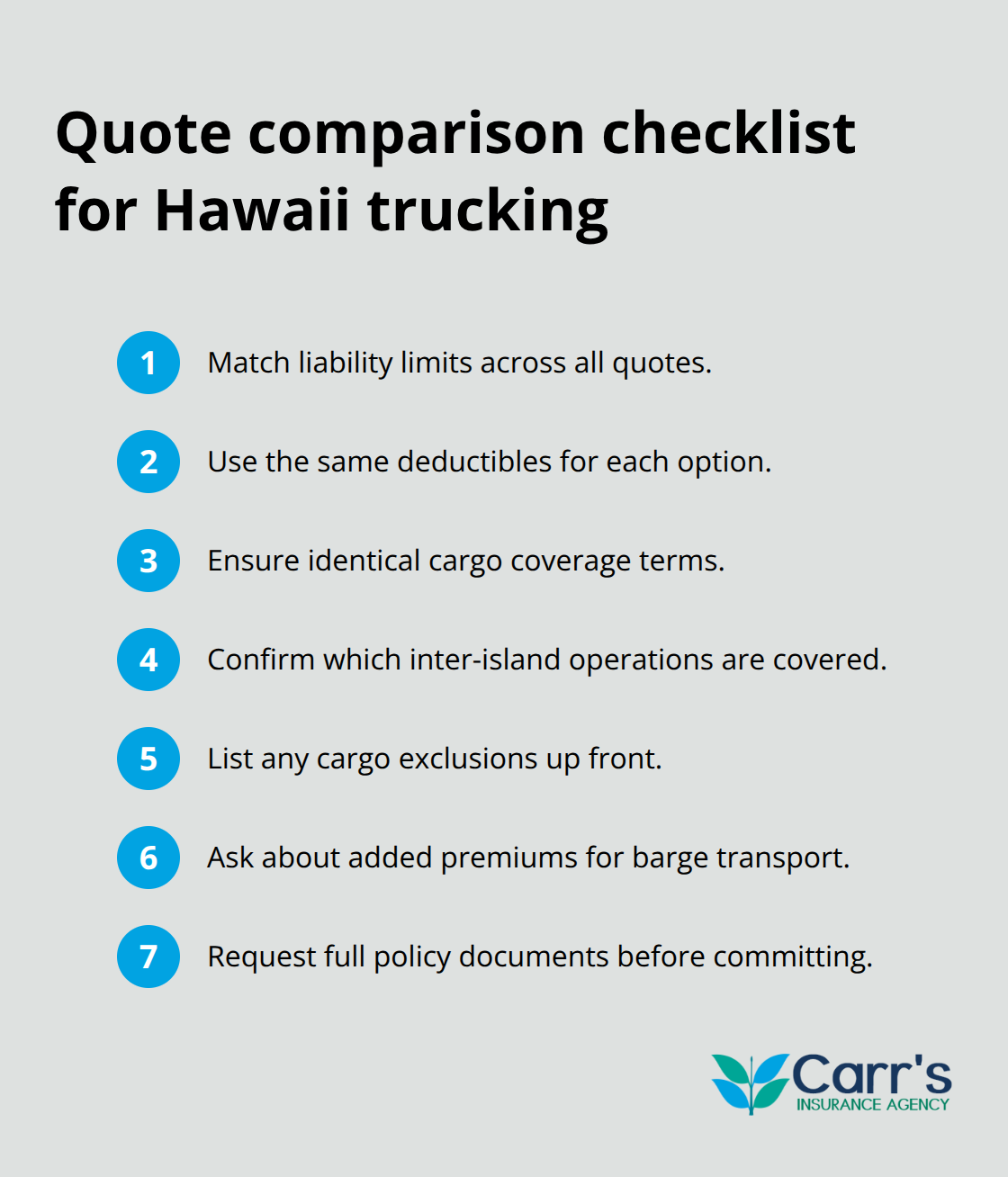
Some carriers quote aggressively on base commercial auto but load cargo coverage with exclusions that make the policy nearly worthless for inter-island shipments. Others price marine cargo competitively but impose strict equipment age requirements or claims history thresholds that eliminate you from consideration. Request the actual policy documents before committing, not just summary sheets, and have your agent walk you through the specific exclusions rather than assuming standard coverage applies. Hawaii’s insurance environment means the lowest quote frequently includes hidden limitations that emerge only when you file a claim.
What to Examine Beyond the Premium Number
Compare what each carrier requires for hired and non-owned auto coverage, since some include this automatically while others charge substantial additional premiums or exclude it entirely. Ask about experience modification rates-the factor that adjusts your premium based on your claims history relative to similar operations-since carriers apply these differently than mainland underwriters. A carrier might offer lower base rates but apply a higher experience modification that eliminates any savings.
The comparison process takes longer than mainland shopping because Hawaii’s limited market requires more detailed policy analysis. That effort directly protects your operation from coverage gaps that cost significantly more than premium savings. Each carrier’s underwriting approach reflects their specific appetite for Hawaii risk, and matching your operation to the right carrier prevents future claim denials and coverage disputes.
Final Thoughts
Hawaii trucking insurance requires a different approach than mainland coverage because your operation faces distinct risks that standard policies don’t address. The higher costs, ocean transport exposures, and limited carrier competition mean you need protection specifically built for island logistics. Cargo damage from salt spray and rough seas, liability claims that exceed mainland averages, and equipment repair costs running 20-30% higher than the mainland all demand coverage that reflects your actual operational environment.
Working with local insurance professionals who understand Hawaii trucking operations gives you a practical advantage that national carriers simply can’t provide. An agent familiar with which carriers actively compete for island business, what underwriting standards they apply, and how they evaluate Hawaii-specific exposures prevents wasted applications and protects your insurability. Local agents know the difference between carriers that genuinely cover inter-island operations and those that exclude marine transport or impose restrictions that make policies nearly worthless.
Contact Carr’s Insurance Agency to discuss your trucking insurance Hawaii coverage needs and receive quotes from carriers that actively compete for island trucking business. Our independent broker relationships allow us to compare rates across multiple carriers and find protection that fits your operation and your budget. We work with trucking companies across the islands and understand the specific exposures your fleet faces.
Disclaimer: The information provided in this blog is for general informational purposes only and does not constitute legal, financial, or insurance advice. Coverage options, terms, and availability may vary. Please consult with a licensed professional for advice specific to your situation






