

Small Business Auto Coverage: Tailored Protection
Your business vehicles are on the road every day, which means they’re exposed to real risks. Without proper small business auto coverage, a single accident could drain your finances and leave you vulnerable to lawsuits.
We at Carr’s Insurance Agency know that protecting your fleet isn’t one-size-fits-all. This guide walks you through the coverage types that matter, cost-saving strategies that work, and how to build protection that fits your operation.
Why Your Small Business Needs Real Auto Coverage
Texas imposes strict penalties for operating without required commercial auto insurance: a first offense costs up to $350, while a second offense hits $1,000 and can trigger license suspension. If you use company vehicles or allow employees to drive personal cars for work tasks, state law demands you carry appropriate coverage. Texas minimum liability limits for commercial auto insurance are set by state requirements. These minimums sound adequate until you face a serious crash. A single accident involving multiple injuries or significant property damage easily exceeds these thresholds, leaving your business personally liable for the difference. Most small business owners underestimate this exposure, only to face devastating lawsuits when accidents happen. One at-fault collision with injuries to multiple people can drain your business bank account and jeopardize assets you’ve built over years.
When Your Personal Auto Policy Fails
Your personal auto insurance will not cover business driving, no matter how you frame it. If an employee uses their personal vehicle to visit client sites, deliver equipment, or handle work tasks, that person’s personal policy excludes the incident from coverage. The insurance company will deny the claim, leaving your business exposed to judgment. This gap affects most small operations-contractors visiting job sites, service businesses making client calls, or anyone transporting tools and materials.
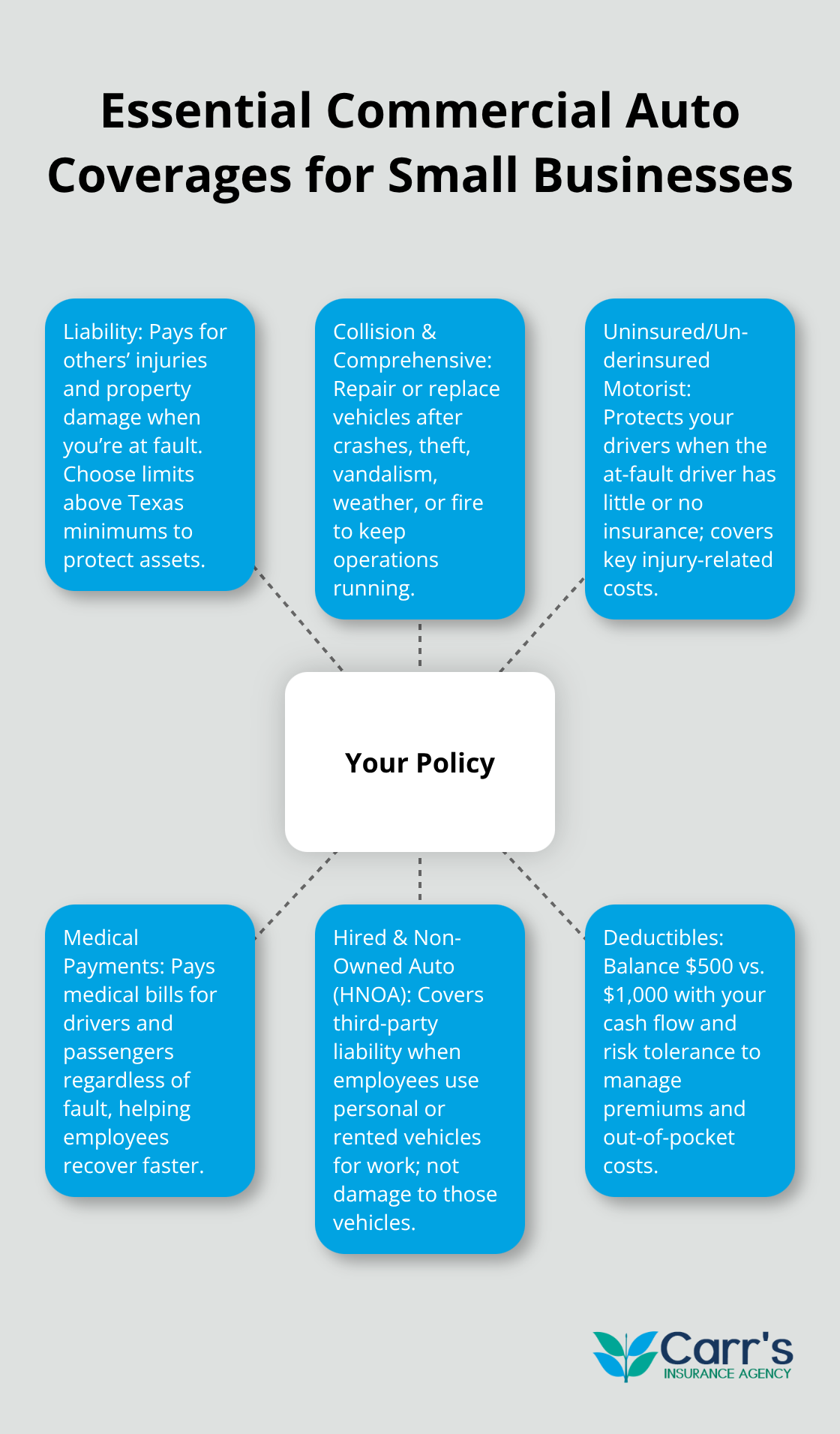
Hired and Non-Owned Auto coverage fills this specific gap by protecting your company when employees use personal vehicles or when you rent vehicles for business purposes. However, HNOA does not cover damage to the vehicle itself; it covers third-party liability claims only. If you regularly rely on employee vehicles for work, a dedicated commercial auto policy becomes far more practical than patching gaps with endorsements.
Physical Damage Adds Real Protection
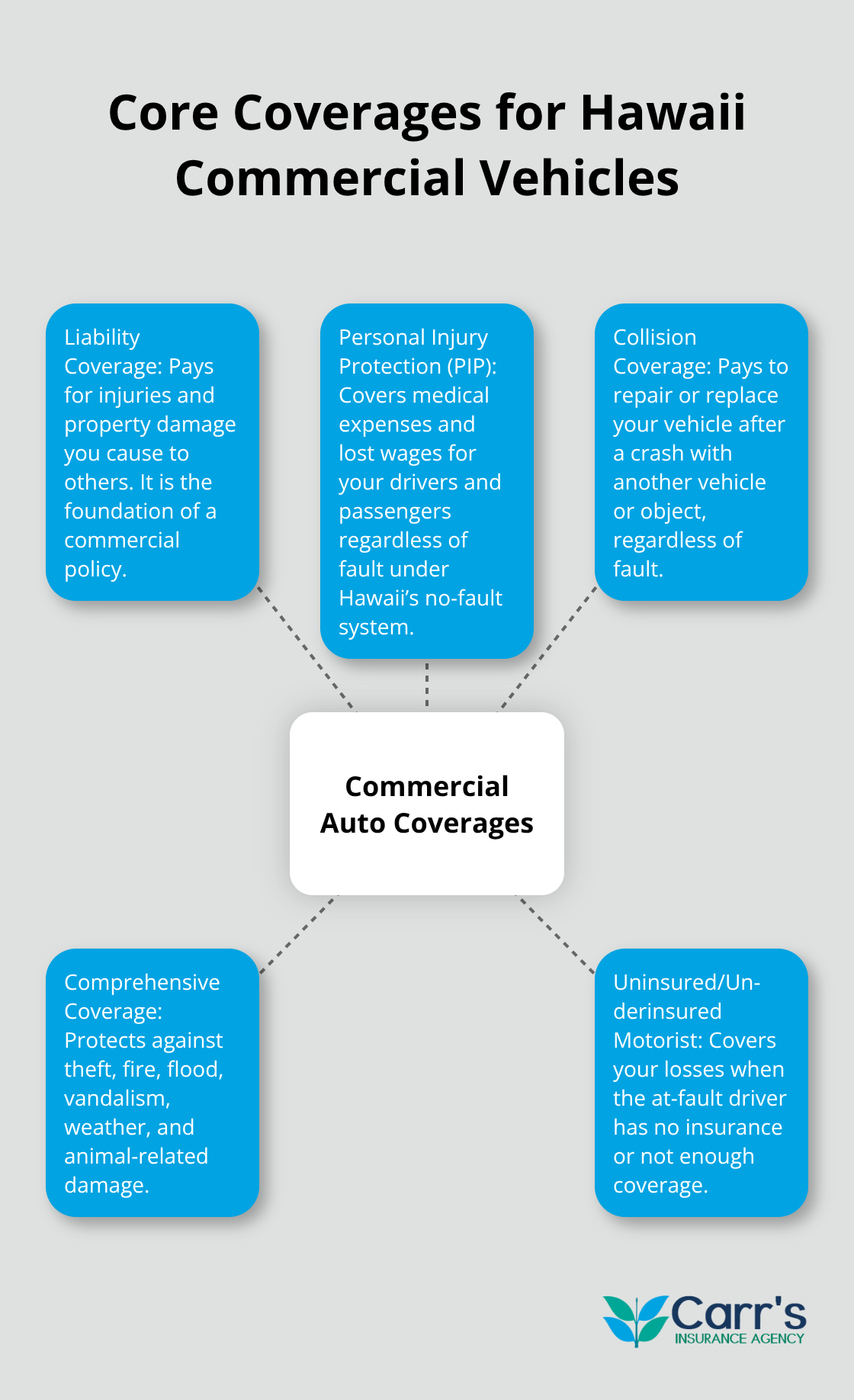
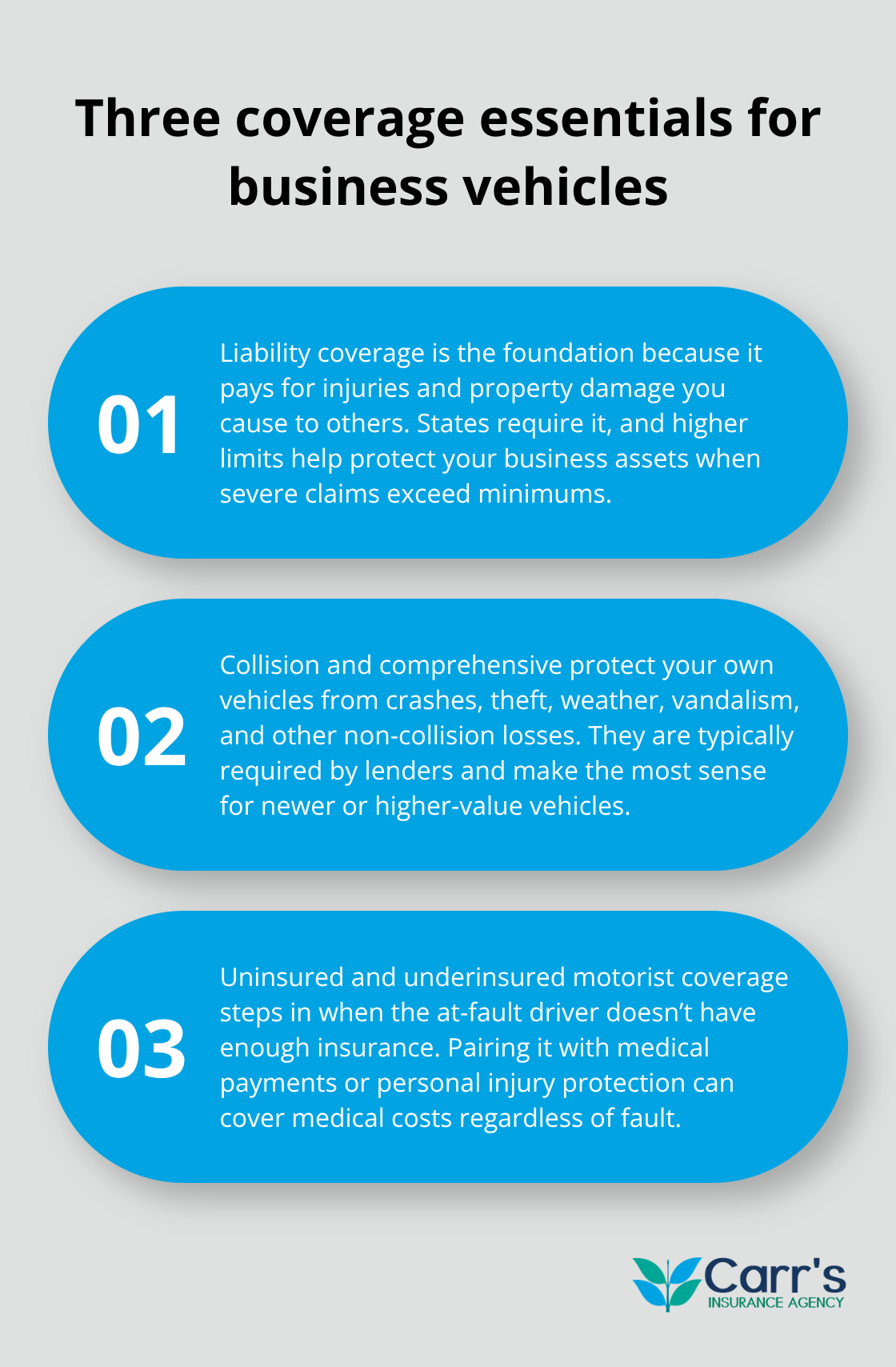
Collision and comprehensive coverage repair or replace your business vehicles after accidents, theft, vandalism, or weather events. A service van worth $35,000 damaged in a collision costs thousands out of pocket without this coverage. Comprehensive covers non-collision losses like theft, fire, or hail damage that occur frequently in certain regions. Uninsured motorist coverage protects your company when an at-fault driver carries no insurance or insufficient coverage-a real threat on busy roads. Medical payments coverage pays medical expenses for your drivers and passengers regardless of fault, speeding recovery and reducing employee hardship. These coverages matter because one serious loss without them can force a small business to shut down temporarily or permanently.
Matching Coverage to Your Vehicle Values
Your vehicle values and replacement costs should drive your coverage decisions. A fleet of work trucks, service vans, or specialized equipment vehicles (like tow trucks or dump trucks) requires different protection levels than a single company car. Evaluate the frequency of your routes, the areas where your drivers operate, and the likelihood of theft or weather damage in your region. Try setting deductibles that balance your monthly premiums with your ability to absorb out-of-pocket costs when accidents happen. Higher deductibles lower your premiums but increase your financial risk per incident; lower deductibles cost more monthly but protect your cash flow when losses occur. The right balance depends on your business’s financial reserves and risk tolerance.
Moving Forward With Proper Coverage
Your next step involves comparing commercial auto policies that match your actual vehicle usage and business operations. Work with an independent insurance agent who can review your fleet, your drivers’ records, and your specific work tasks to recommend appropriate liability limits and optional coverages. This assessment prevents costly gaps and ensures you’re not overpaying for protection you don’t need.
Coverage Types That Actually Protect Your Fleet
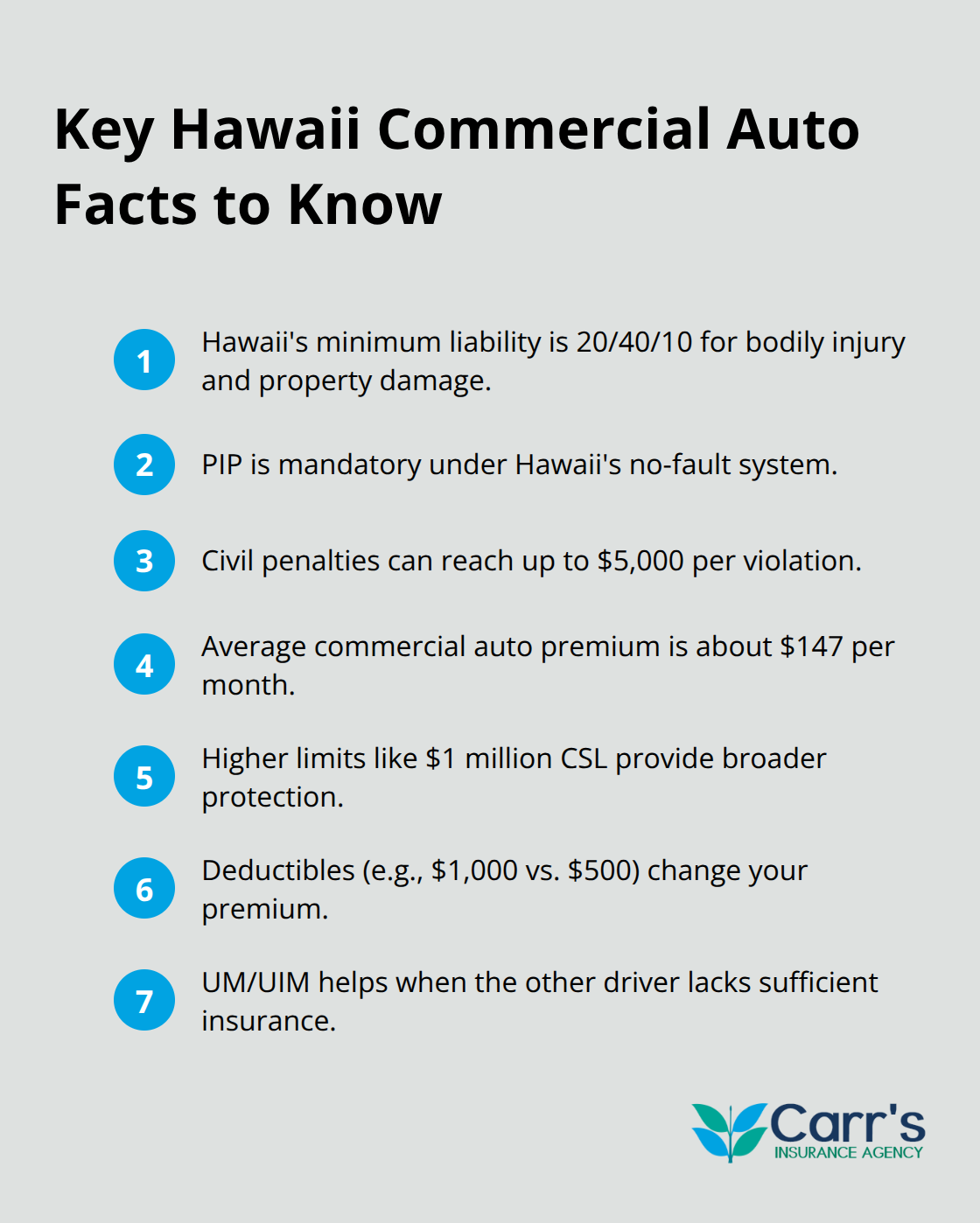
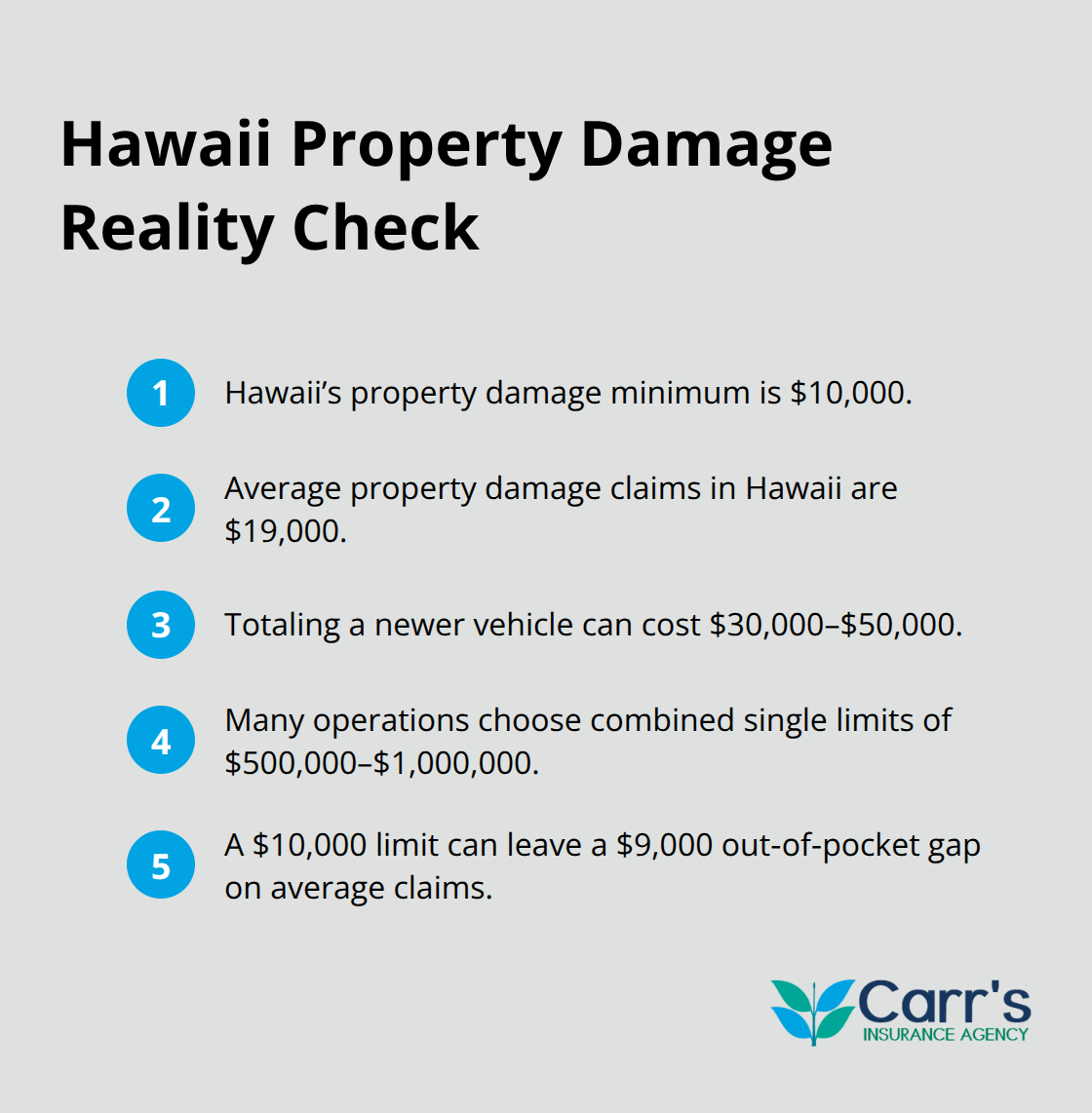
Commercial auto liability forms the foundation of any small business auto policy, and Texas law makes it non-negotiable. This coverage pays for bodily injury and property damage your business causes to other people when your vehicle or an employee’s vehicle causes an accident. Texas minimum liability limits are $30,000 per person and $60,000 per accident for bodily injury, plus $25,000 for property damage, but these minimums are dangerously low. A serious multi-vehicle collision with two injured people easily exceeds $60,000 in medical costs alone, leaving your business responsible for the overage.
Why Minimum Limits Leave You Exposed
Higher liability limits protect your business assets far better than state minimums. We recommend carrying at least $100,000 per person and $300,000 per accident for bodily injury if your fleet operates on busy roads or in urban areas. Property damage limits should match your potential exposure-if your drivers frequent areas with expensive vehicles or commercial property, $100,000 is a realistic floor.
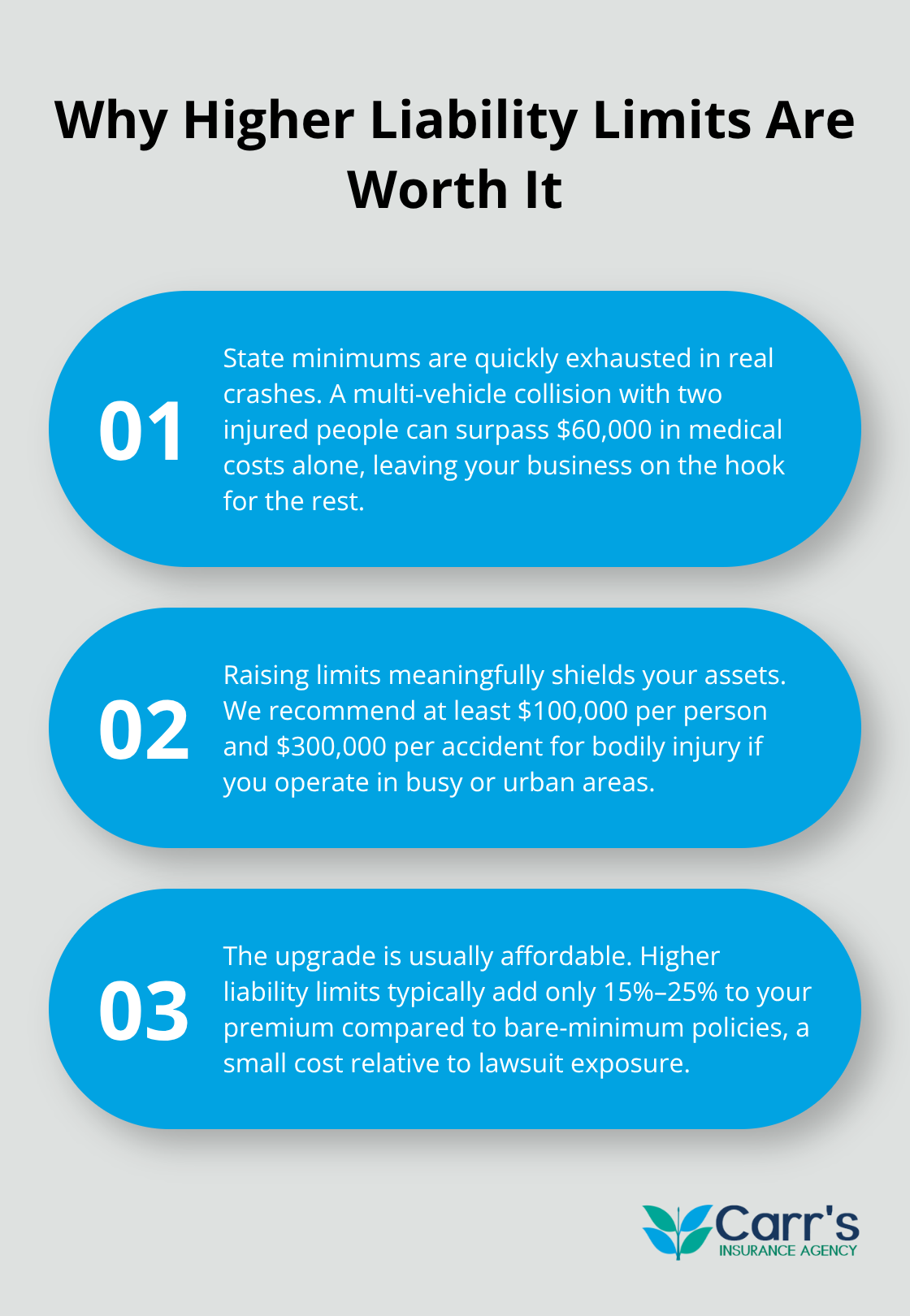
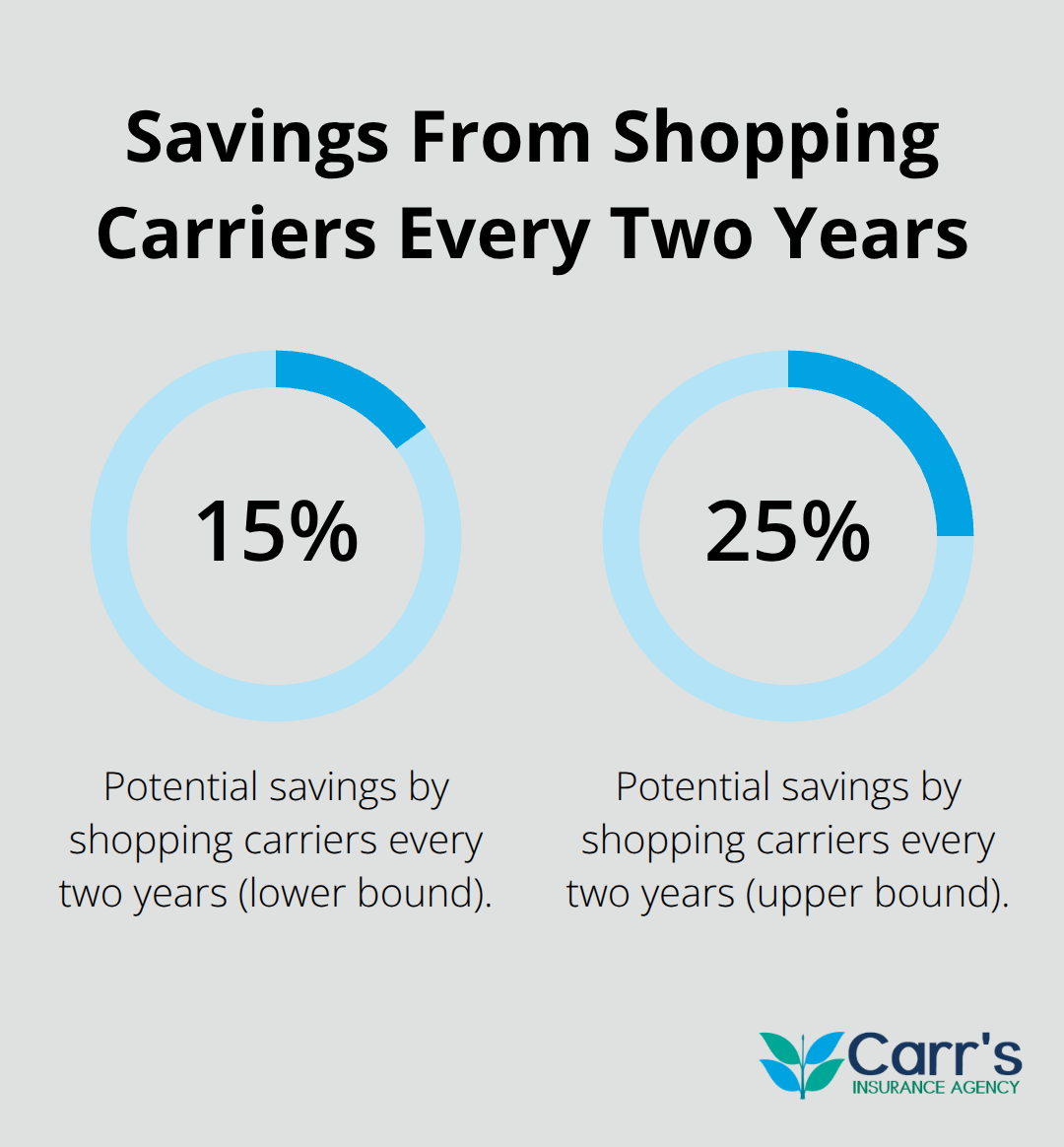
The average cost for commercial auto insurance in Texas runs about $326 per month according to industry data, but this varies significantly based on your vehicle count, driver records, and chosen limits. Higher liability limits typically add only 15-25% to your premium, making the upgrade far cheaper than facing an underinsured claim.
Collision and Comprehensive Coverage Protect Your Assets
Physical damage coverage splits into collision and comprehensive, and both protect your business when vehicles suffer damage. Collision and comprehensive coverage pay for repairs or replacement after impact with another vehicle or object, while comprehensive covers theft, vandalism, weather damage, and fire. A work van worth $40,000 damaged in a collision becomes a financial emergency without this coverage-repair costs often run $8,000-$15,000 for frame damage or engine issues. Comprehensive coverage matters equally; hail storms, theft, and vandalism strike small fleets regularly across Texas regions.
Uninsured Motorist Coverage Fills a Critical Gap
Uninsured and underinsured motorist coverage protects your drivers when an at-fault driver carries insufficient insurance, a real risk on Texas roads where roughly 1 in 4 drivers carries no coverage. This protection covers medical expenses for your drivers and passengers regardless of fault, plus wage loss and pain and suffering in serious cases. Medical payments coverage supplements this by covering immediate medical expenses for anyone injured in your vehicle, speeding treatment and reducing employee hardship. These two coverages work together to protect your team when other drivers fail to carry adequate protection.
Choosing the Right Deductible for Your Business
Set your deductible at $500 or $1,000 depending on your cash reserves-a $500 deductible costs roughly $40-$60 more monthly than $1,000, but that difference matters when you need repairs fast and can’t absorb the out-of-pocket cost. Lower deductibles protect your cash flow during unexpected losses, while higher deductibles reduce your monthly premium burden. Your choice depends on how much your business can comfortably pay out of pocket when an accident happens. Once you understand these core coverage types, the next step involves identifying which optional add-ons match your specific fleet and operations.
Cost-Saving Strategies for Business Auto Insurance
Stack Discounts Through Policy Bundling
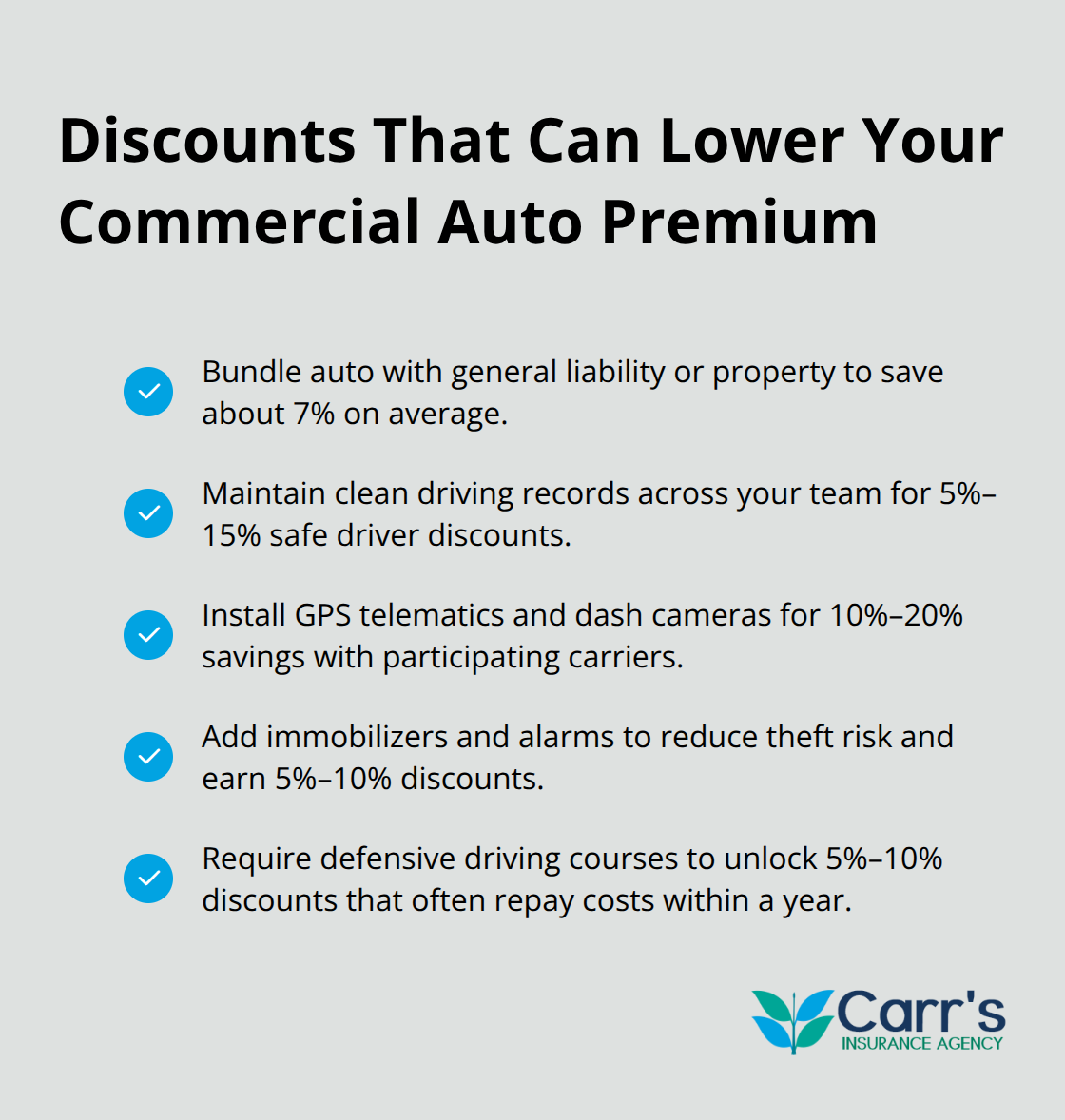
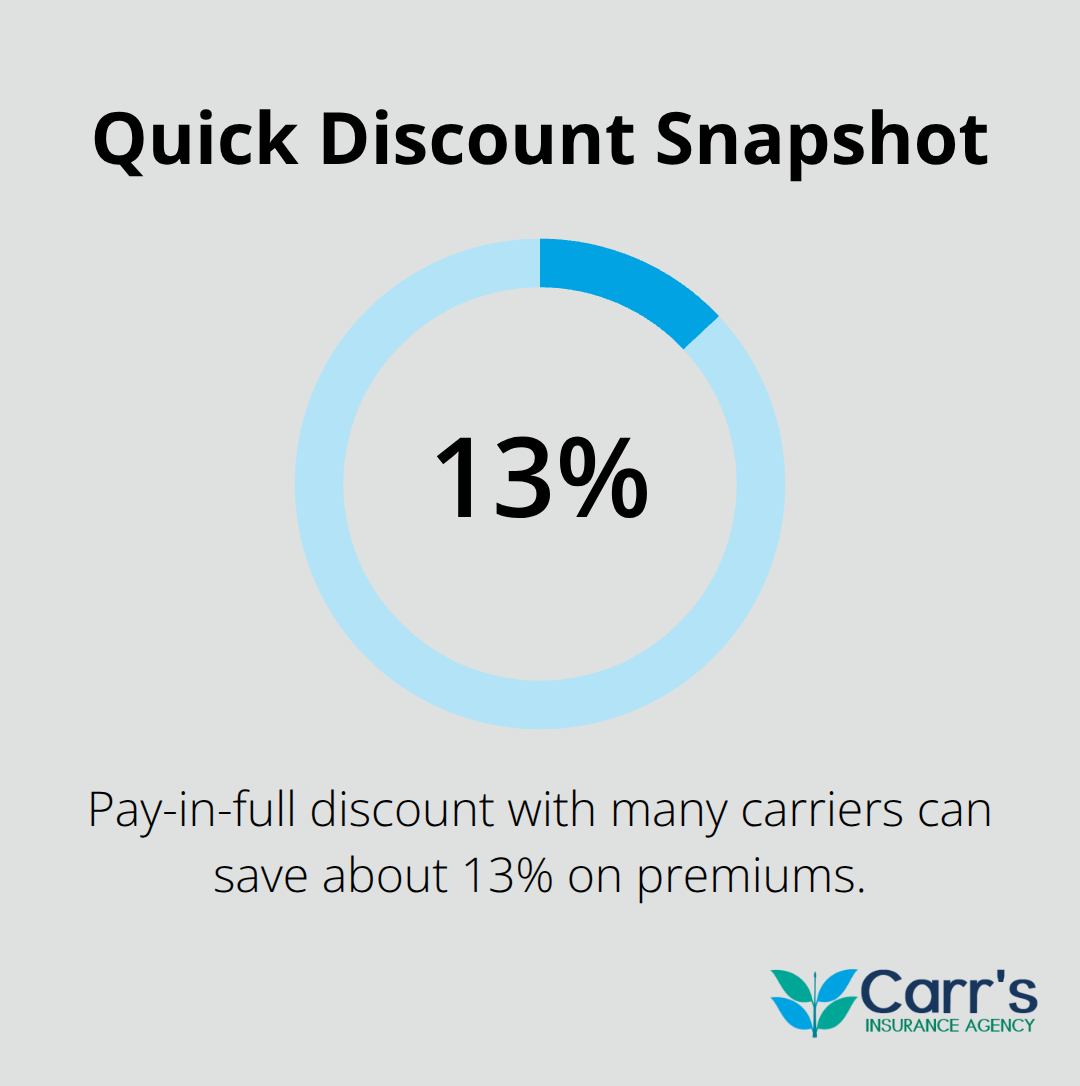
Combining your commercial auto policy with other business coverages delivers the fastest way to reduce your overall insurance spend. When you merge auto with general liability, property insurance, or a business owner’s policy through the same carrier, most insurers offer discounts on your total premium. Bundling and saving an average of 7% on auto in most states is achievable when you combine coverages through the same carrier. The savings multiply when you add multiple coverage types; a contractor merging auto, general liability, and property coverage often qualifies for stacked discounts that exceed what you’d pay shopping policies individually.
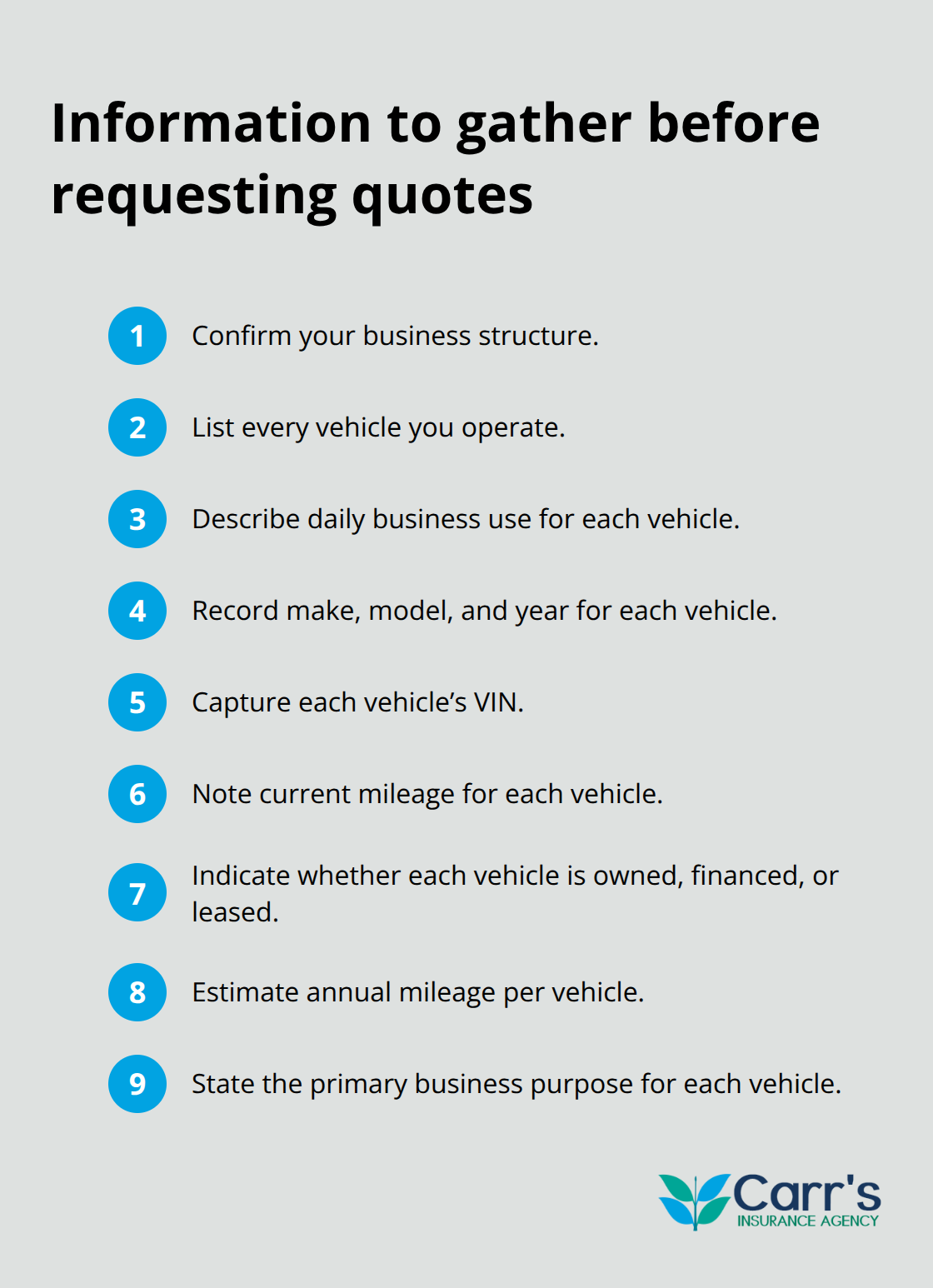
Contact your independent agent and ask explicitly about multi-policy discounts before finalizing any quote, since carriers don’t always highlight these savings upfront. Your vehicle schedule matters here too-maintaining accurate records of all vehicles, their values, and primary uses helps underwriters apply bundling discounts correctly and prevents coverage gaps that could trigger claim denials.
Leverage Clean Driving Records and Safety Investments
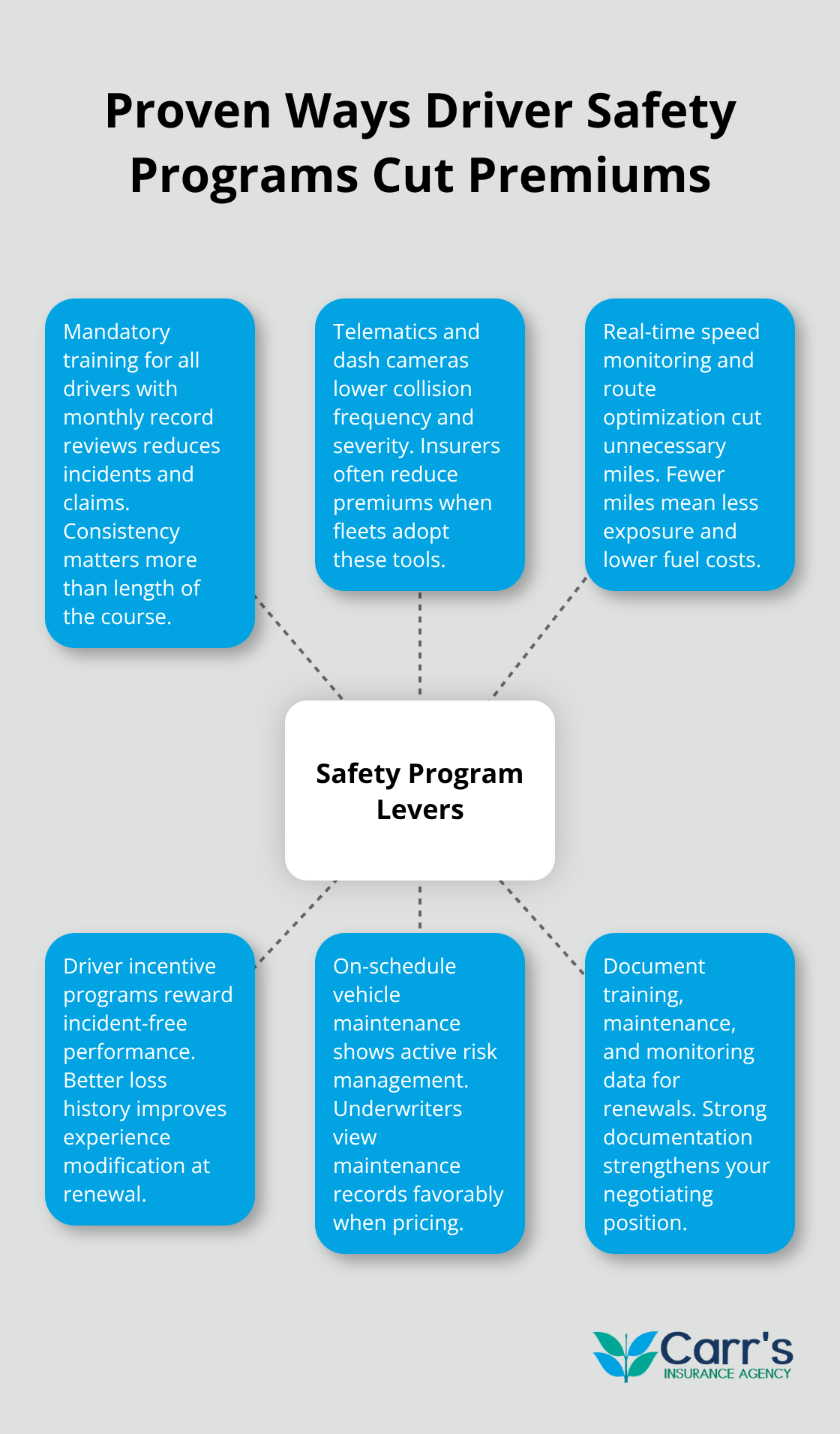
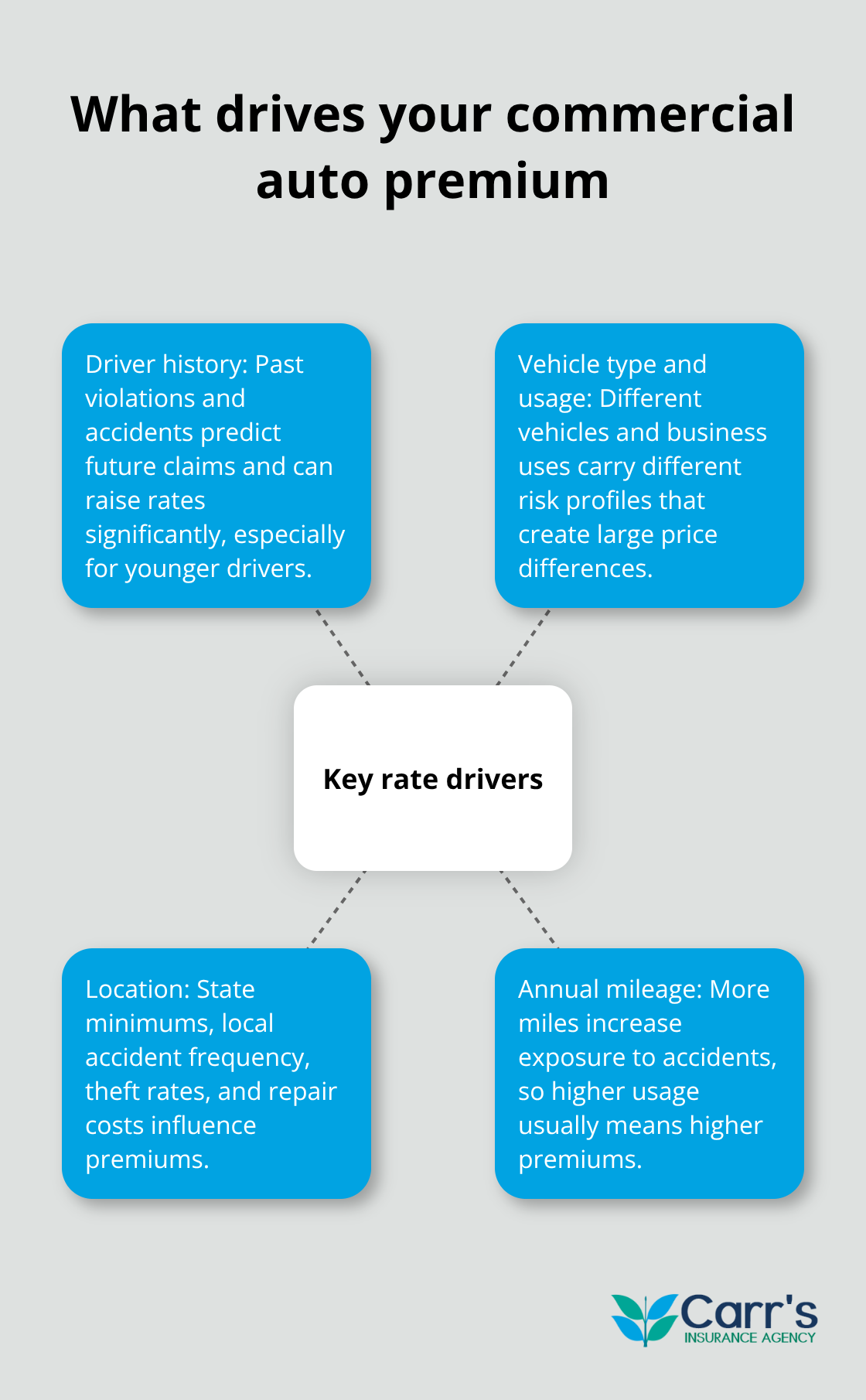
Your drivers’ records and safety investments control your premium costs more than almost any other factor. A single at-fault accident or moving violation increases your commercial auto rate by 20% to 40% for three years, while maintaining a clean record across your team qualifies you for safe driver discounts of 5% to 15%. Installing GPS telematics systems and dash cameras reduces premiums further because carriers recognize that monitored fleets experience fewer accidents and fraudulent claims; some insurers offer 10% to 20% discounts when you implement these systems and share data showing improved driver behavior.
Security devices like immobilizers and alarms lower theft risk on your fleet, particularly for high-value work vehicles, and insurers reward this with 5% to 10% discounts. Requiring employees to complete defensive driving courses costs $100 to $300 per driver but often triggers carrier discounts of 5% to 10% that recover that cost within one year.
Document Safety Measures for Maximum Discounts
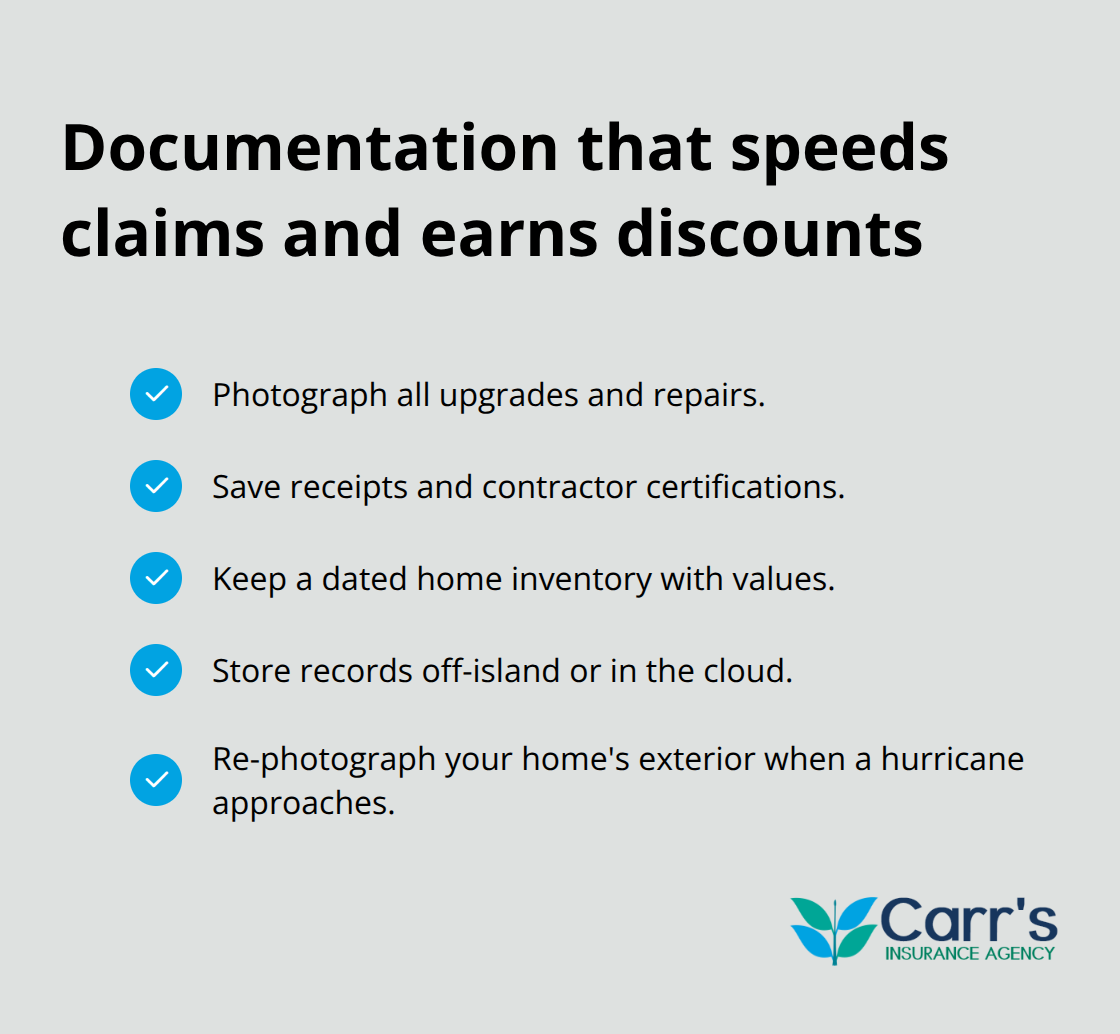
Proof of telematics installation, course completion certificates, and security device receipts matter when requesting quotes, as some carriers require evidence before applying these discounts. The combination of clean records, telematics monitoring, and documented safety measures can reduce your annual premium by 30% to 50% compared to a fleet with poor driving history and no safety infrastructure. Providing this documentation upfront accelerates the quoting process and helps carriers apply every discount your business qualifies for.
Final Thoughts
Small business auto coverage protects your fleet, your drivers, and your bottom line when accidents happen. Texas law demands commercial auto insurance for company vehicles, and state minimums leave you dangerously exposed to lawsuits that exceed those thresholds. Higher liability limits, physical damage coverage, and uninsured motorist protection cost far less than recovering from a single serious accident without proper coverage.
Compare quotes from multiple carriers and work with an independent agent who understands your specific vehicle usage, driver records, and work tasks. Bundle your commercial auto policy with general liability or property coverage to reduce your overall insurance spend through multi-policy discounts. Implement telematics and safety programs to qualify for additional discounts while improving driver behavior and reducing claims.
We at Carr’s Insurance Agency represent top carriers and compare rates across multiple insurers to find the right small business auto coverage for your operation. Whether you operate a single service van or a fleet of work trucks, we tailor protection to match your actual exposure and budget constraints. Contact Carr’s Insurance Agency today to discuss your fleet’s coverage needs and discover how much you can save.
Disclaimer: The information provided in this blog is for general informational purposes only and does not constitute legal, financial, or insurance advice. Coverage options, terms, and availability may vary. Please consult with a licensed professional for advice specific to your situation


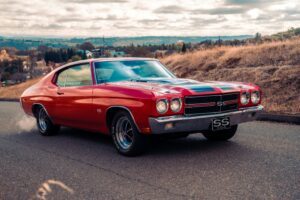 For those of us who have a passion for collecting classic cars, it’s important to have an insurance policy that aligns with our specific use and ensures the appropriate value coverage for these valuable assets. Insuring a classic car is different from insuring your everyday vehicle. Classic car insurance policies are typically more affordable and are based on an agreed value. These policies can be tailored to suit your specific vehicle, restoration stage, or usage. Here are some examples of how you can customize your classic car insurance policy:
 Owning a swimming pool is a delightful luxury that requires diligent maintenance, but the joy it brings on a scorching summer day is truly priceless. If you have children, the pool quickly becomes their favorite gathering spot with friends. While owning a swimming pool can offer a fantastic experience, it also comes with a unique insurance liability risk.
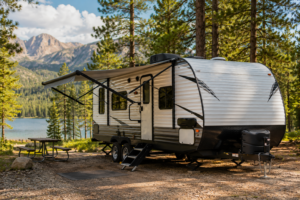 As summer approaches, camping enthusiasts eagerly anticipate venturing into the great outdoors and making the most of nature. If you own a camper or trailer, it’s essential to complete a quick tune-up to ensure your vehicle is ready for summer use. While some campers opt for professional servicing, it is entirely possible to perform the maintenance yourself. Here are six crucial areas to check when prepping your camper for summer adventures:




